
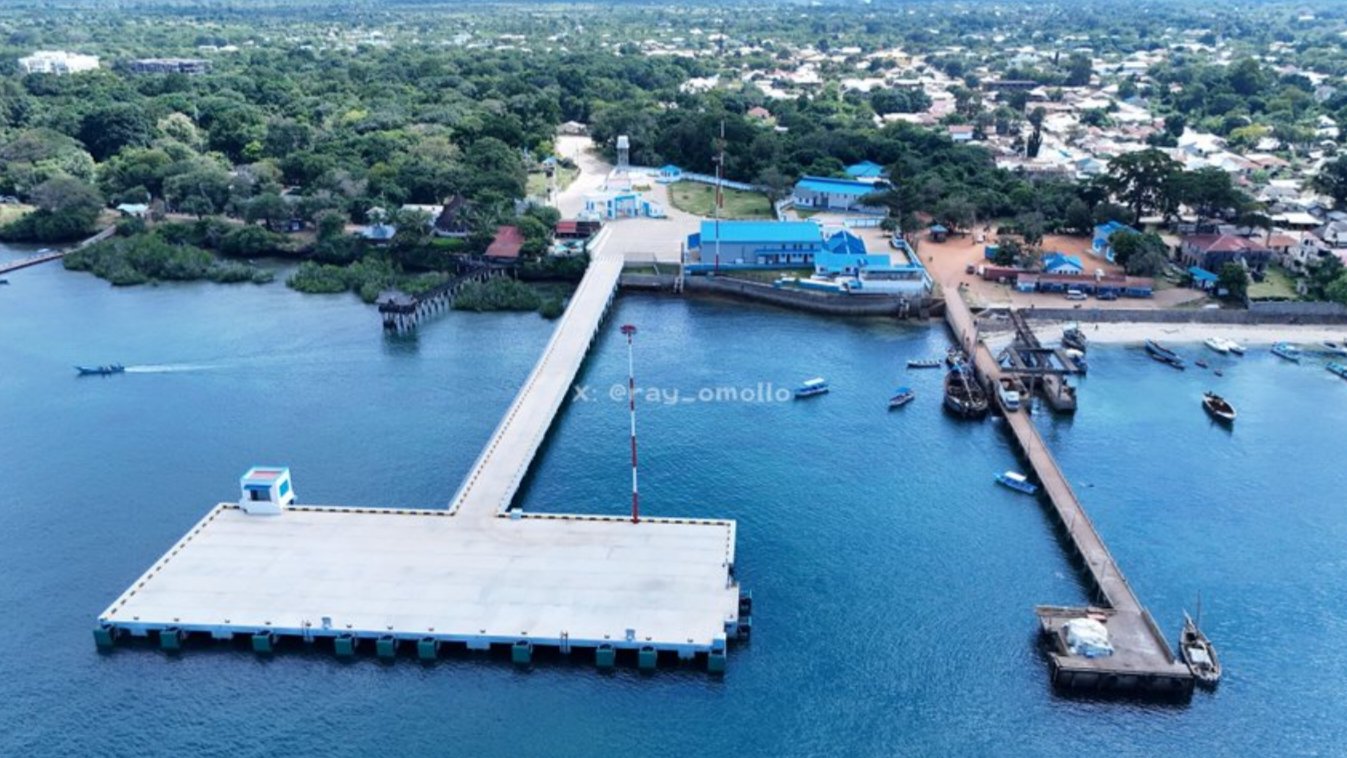

Internal Security Principal Secretary Raymond Omollo confirmed the completion of marine works at the Kwale County facility. The update signals a strategic shift for coastal maritime operations in southern Kenya.
The project replaces aging wooden pier infrastructure with a dedicated maritime terminal. Kenya Ports Authority (KPA) managed the development to expand deep-sea capability along the coastline.
Local contractor Southern Engineering Company (SECO) constructed the main marine infrastructure. The build features a 75-meter by 30-meter concrete jetty alongside a 135-meter causeway.
Engineers designed the berth to accommodate multiple large sea vessels simultaneously. The site gives direct access to deep channels near Wasini Island, which remains well-sheltered from heavy swells.
Offshore commercial fleets previously bypassed local shores due to poor handling capacity. The new layout provides secure docking, although offloading points require final operational testing.
Onshore construction focuses on processing halls, cold storage units, and ice-making plants. Auxiliary installations include power substations, reefer stations, and dedicated wastewater treatment facilities.
National government planners funded the development through a 2.6 billion shilling allocation. The investment targets expanded capacity within Kenya's Exclusive Economic Zone (EEZ).
Artisanal fishermen across Kwale County currently experience significant post-harvest losses. Cold-chain storage units will allow catch preservation prior to factory shipment, which protects vendor margins.
Industrial processing capacity is designed to handle up to 200 metric tonnes daily. Local authorities anticipate the facility will create over 1,000 direct land-based jobs.
Mombasa seaport previously handled most marine cargo traffic along the southern coastline. Dedicated fish handling facilities now divert specialized traffic directly to Shimoni, which relieves main port congestion.
Kwale Governor Fatuma Achani highlighted complete concrete access walkways during recent inspections. Upgraded utility connections now provide high-capacity water and electrical supply across all sectors.
Technical teams installed modern bio-digesters to treat facility runoff before sea discharge. Environmental safeguards remain mandatory across all active operational zones, if inspectors enforce compliance.
Marine transport links between Kwale and regional export markets will expand rapidly. Local co-operatives plan to integrate small vessels into larger landing schedules to maintain supply consistency.
President Ruto inspected early marine work during preliminary development phases in Kwale, but the completed structure now awaits formal operational handovers and commercial leasing.
Port managers plan to recruit an international terminal operator via competitive tender. Global firms will manage cold-chain logistics alongside daily dock maintenance under landlord port models.
The facility provides cold storage designed for long-term domestic and export preservation. Direct road links connect the terminal to main coastal transport corridors, which speeds up market transit.
Commercial fleets operate extensively in international waters off the Kenyan coast. Local processing hubs retain economic value currently lost to foreign landing ports, who process catches elsewhere.
Sailing vessels historically utilized basic timber piers along the sheltered creek shoreline. Concrete marine piling now supports heavy cargo movement and industrial vehicles on site.
Harbor depth allows safe navigation for heavy displacement vessels year-round. Natural headlands shield docking ships, although seasonal winds still require careful navigational piloting.
Workmen completed utility installations across primary processing zones earlier this season. Final operational trials will precede full commercial vessel berthing later this year.
Coastal trade routes stand to benefit from direct maritime access to regional markets. Commercial buyers can now source certified seafood directly from Kwale suppliers, who operate along the channel.
Civil works include public access roads alongside security fencing around the harbor perimeter. Dedicated weighbridges will monitor cargo output prior to highway transit into Kwale.
Regional administrators expect the port to spur secondary business growth in Kwale. New processing facilities, transport services, and equipment suppliers are establishing local bases near the terminal.
Comments (0)
Leave a Comment
No comments yet. Be the first to share your thoughts!