
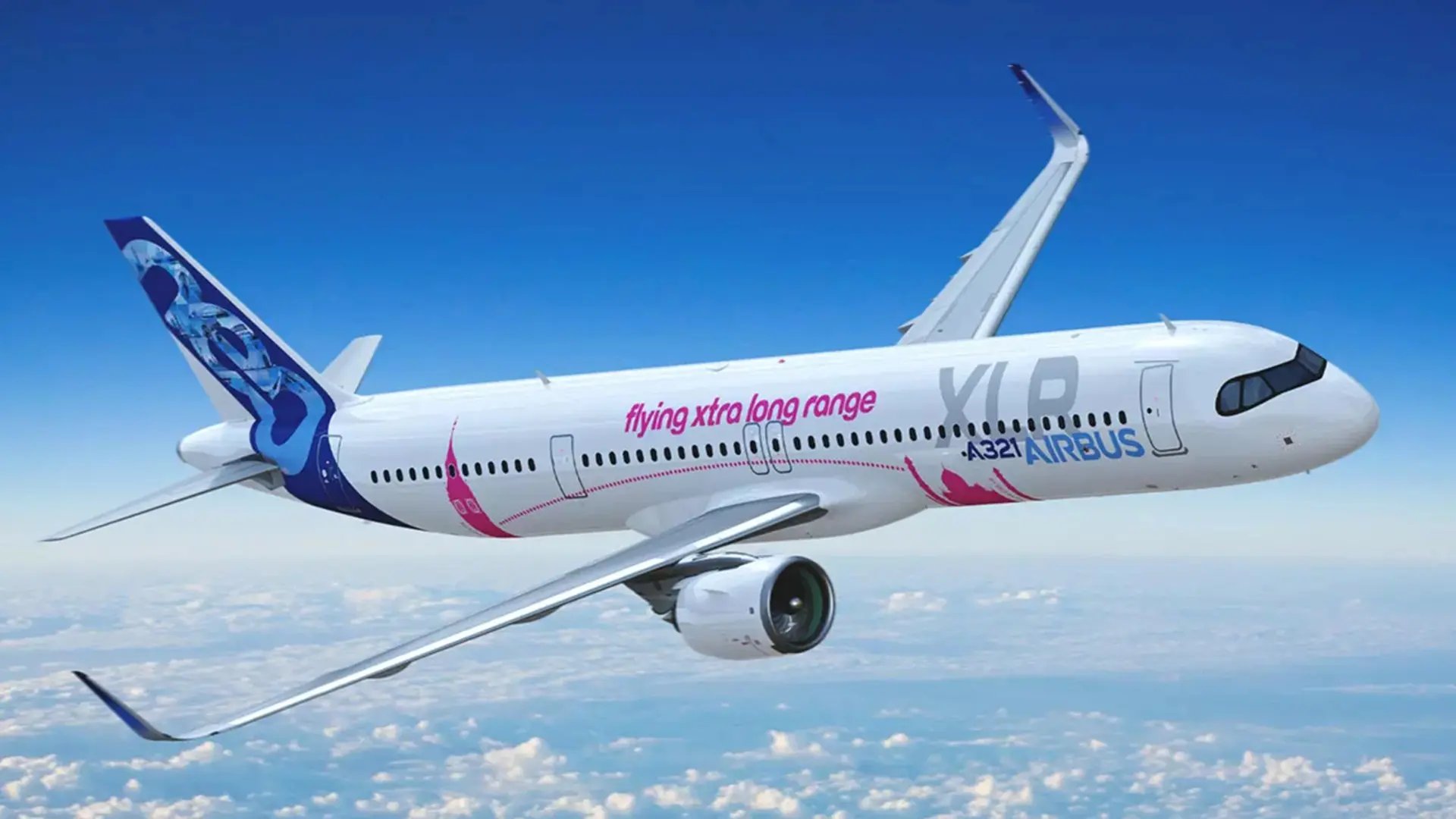

Airbus launched an extensive upgrade program for its single-aisle aircraft, transferring innovations from the long-range A321XLR to existing models. The initiative, designated as Synchronized Targeted Embodiment Point 4 (STEP4), aims to simplify assembly lines, while maintaining aircraft competitiveness beyond 2030.
Engineers designed structural modifications to standardize manufacturing across global facilities. Under the package, the A321neo receives a lighter wing featuring a simplified single-slotted inboard flap. This structural element directly replaces the traditional double-slotted inboard flap system used on earlier single-aisle production lines.
A key technological enhancement replaces mechanical rudder controls with an advanced electronic rudder system. The fly-by-wire system eliminates heavy mechanical cables, reducing airframe weight by roughly 40 kilograms. It also lowers ongoing maintenance costs, while improving overall flight control reliability for commercial airlines.
Updated aircraft will incorporate a standardized Flight Data Interface and Management Unit (FDIMU) across all variants. The new avionics unit significantly enhances onboard data processing capabilities, and it increases common part numbers, simplifying spare parts inventory management for global aircraft maintenance crews.
Environmental control systems receive a redesigned Auxiliary Power Unit (APU) air intake, known as the Cobra Duct, which is relocated to the upper aft fuselage. Cabin structures feature reinforced flooring and enhanced dual-deck corrosion protection, utilizing full titanium seat rails and improved sealant applications.
The planemaker increased the integration of Light Emitting Diode (LED) lighting across passenger cabins and exterior flight systems. Exterior updates include Multi-Functional Runway Lights (MFRL) to aid pilots during night operations, alongside an optional Enhanced Take-off Optimisation (ETOC) software package for optimized departure performance.
Industrial deployment follows a structured three-phase rollout to avoid disrupting factory output. Airbus selected the A320neo as the initial launch platform for structural testing, because lower production volumes allow final assembly lines to refine manufacturing procedures before applying updates to higher-volume production lines.
Approximately one year after initial deliveries start, factory teams will transition the lighter wing and electronic flight controls to the A321neo. In the third phase, cross-functional enhancements like the Cobra Duct will be natively integrated into active A321XLR assembly lines.
The standardization drive aligns with efforts to achieve an annual production target of 1,000 single-aisle aircraft. Harmonizing component specifications reduces supply chain complexity, while enabling assembly workers to accelerate learning curves across multiple final assembly facilities worldwide.
Airlines operating the updated jetliners will benefit from improved operational flexibility and passenger comfort. Optional forward cabin temperature zones allow customized climate settings, while enhanced insulation and drainage systems protect critical fuselage sections from moisture accumulation during long-haul regional flights.
The A320 family baseline was originally introduced four decades ago, undergoing continuous technological iterations over time. Incorporating modern long-range innovations ensures the high-volume platform remains efficient as airline operators face rising fuel costs, while planning fleet renewals for the next decade.
By transferring next-generation developments into high-volume jets, Airbus strengthens its core commercial product line. Deliveries of updated STEP4 aircraft will commence through designated pilot fleets, before expanding across global customer order books in coming years.
Comments (0)
Leave a Comment
No comments yet. Be the first to share your thoughts!