
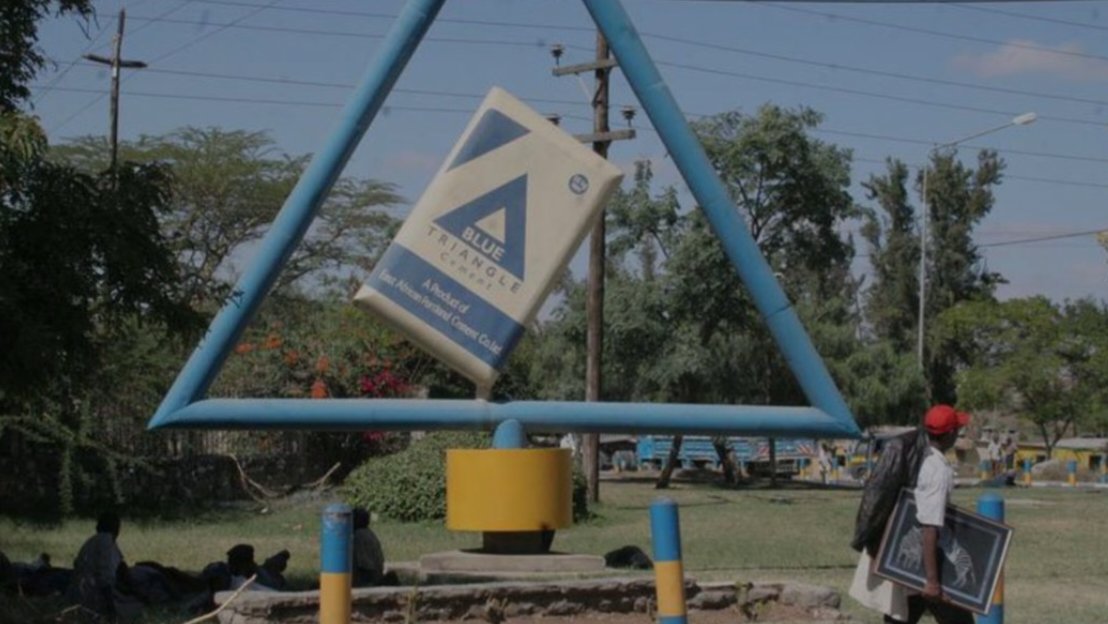

An audit into East African Portland Cement (EAPC) revealed Sh4 billion in unremitted statutory deductions, unpaid taxes, and accrued penalties. The official report, which examined financial statements up to June 30, 2025, highlights persistent legacy liabilities facing the manufacturer.
The total unremitted funds comprise worker pension contributions, tax liabilities, and compound interest accumulated over several financial years. Independent financial auditors emphasized that these outstanding statutory debts expose the enterprise to financial strain, if enforcement actions proceed.
Under provisions of the Income Tax Act (ITA), employers are required to remit statutory withholdings on time. Failure to transfer statutory withholdings like Pay As You Earn (PAYE) attracts automatic monthly penalties from the Kenya Revenue Authority (KRA).
Alongside unpaid taxes, the audit exposed unpaid worker retirement savings intended for the National Social Security Fund (NSSF). Employees face growing uncertainty over their retirement funds, as non-remittance delays retirement benefit processing.
The state-backed cement manufacturer, which produces Blue Triangle Cement, has dealt with severe operational cash flow constraints. Escalating production costs and historical debt obligations have continuously weighed on overall corporate performance.
Company management previously pursued real estate asset sales to raise emergency liquidity, but legacy debts remain unresolved. Financial statements indicate that proceeds from property sales were largely swallowed by prior debt obligations.
Industry experts note that failure to resolve the Sh4 billion statutory shortfall threatens operational stability. Without urgent debt restructuring or strategic cash injection, operational activities at the Athi River plant could suffer disruptions.
Auditors cautioned that late remittance penalties continue to compound over time, which enlarges the core debt burden rapidly. Establishing structured settlement agreements with tax authorities is now critical for maintaining basic working capital.
Board leadership indicated that talks with state authorities are underway to reschedule statutory arrears. Company executives hope to secure flexible repayment arrangements, although regulatory authorities demand firm commitment schedules.
The broader construction materials industry in East Africa continues to face difficult macroeconomic headwinds. High energy tariffs, fuel price adjustments, and competitive cement imports have squeezed profit margins across the sector.
Unremitted employee deductions have also attracted intense scrutiny from oversight committees in Parliament. Lawmakers previously criticized state-linked enterprises that fail to transfer deducted employee earnings to statutory funds promptly.
Factory workers and labor union representatives have raised formal grievances regarding delayed statutory remittances. Labor representatives warn that workers suffer significant losses, when pension schemes fail to receive monthly employee contributions.
Management maintains that ongoing operational efficiency measures will gradually restore fiscal health at the company. Executives are attempting to lower administrative costs, while optimizing plant grinding output to improve net revenues.
Revenue officers at KRA have ramped up recovery measures against defaulting state agencies and private firms. Regulatory officials possess legal powers to issue direct bank agency notices to collect delinquent statutory taxes.
For EAPC, settling statutory arrears remains a key requirement for attracting new strategic partners. Creditors, equipment suppliers, and commercial partners are following corporate recovery plans closely to assess operational risks.
The audit findings highlight structural governance challenges present within legacy industrial firms in Kenya. Addressing these unremitted statutory deductions requires transparent financial reporting, disciplined revenue management, and strict regulatory adherence.
Additional statutory obligations, including housing levies and health contributions, also form part of the audit review. Compliance officers stress that clearing these outstanding liabilities is vital for long-term operational stability.
Comments (0)
Leave a Comment
No comments yet. Be the first to share your thoughts!