
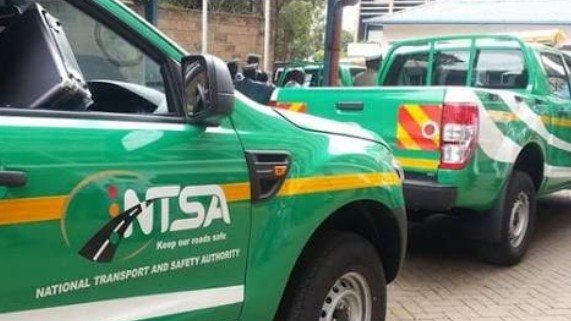

A growing public debate is emerging around the state of vehicle inspection in Kenya, following sharp questions directed at the National Transport and Safety Authority (NTSA) over whether inspection centres have the minimum tools needed to properly test vehicle roadworthiness.
The concern is simple but serious. Roadworthiness inspections are meant to keep unsafe vehicles off the roads and reduce accidents caused by mechanical failure. But many motorists and industry players are now questioning whether the process is effective enough to serve that purpose.
At the centre of the debate is the issue of equipment. Critics are asking whether inspection centres across the country are equipped with basic testing tools such as brake testers, suspension testers, play detectors, headlight beam testers, steering free play testers, diagnostic scanners, emissions analysers, diesel smoke meters and underbody inspection systems.
These are not advanced or luxury technologies. In many countries, they are considered the standard starting point for assessing whether a vehicle is fit for use. Their absence, if confirmed, would raise major concerns about the quality and reliability of inspections.
Vehicle inspection plays a key role in road safety. Faulty brakes, worn out suspension systems, poor steering response, and bad lighting can all increase the risk of crashes. In commercial transport, where vehicles spend long hours on the road carrying passengers and goods, the risks are even greater.
Without the right equipment, inspectors may have to rely heavily on visual checks. While visual inspections are useful, they often cannot detect hidden faults or measure performance accurately. This creates room for dangerous vehicles to pass inspection despite serious defects.
Brake testing, for example, is one of the most important parts of any roadworthiness check. A vehicle may look fine from the outside but still have uneven braking force or poor stopping power. Only proper brake testing equipment can detect such problems.
The same applies to suspension and steering systems. Wear and tear in these areas may not always be visible, yet they directly affect stability and control. Play detectors and suspension testers help identify faults that could otherwise go unnoticed.
Environmental concerns are also part of the conversation. Exhaust emissions analysers and diesel smoke meters are important for checking whether vehicles meet pollution standards. With growing urban pollution, this aspect of inspection is becoming increasingly important.
Many Kenyans are now calling for honesty and transparency from the authorities. If the necessary equipment is not available, they argue, the public deserves to know. More importantly, there should be clear plans to improve inspection systems and invest in better facilities.
The criticism also touches on public trust. Some motorists feel that inspections have become more about collecting fees than improving safety. Whether fair or not, such perceptions can damage confidence in the system and weaken compliance.
Experts say improving inspection standards would benefit everyone. Safer vehicles mean fewer accidents, lower repair costs, better fuel efficiency and reduced environmental harm. It also protects lives, which remains the most important goal.
As Kenya continues to modernize its transport sector, the conversation around inspection quality is likely to grow louder. The challenge now is whether authorities will respond with facts, reforms and investment or allow doubts about the system to continue.
For many road users, the question is no longer whether inspections should happen, but whether they are being done well enough to truly save lives.
Comments (0)
Leave a Comment
No comments yet. Be the first to share your thoughts!