

A version of this article appeared on Nation.Africa.
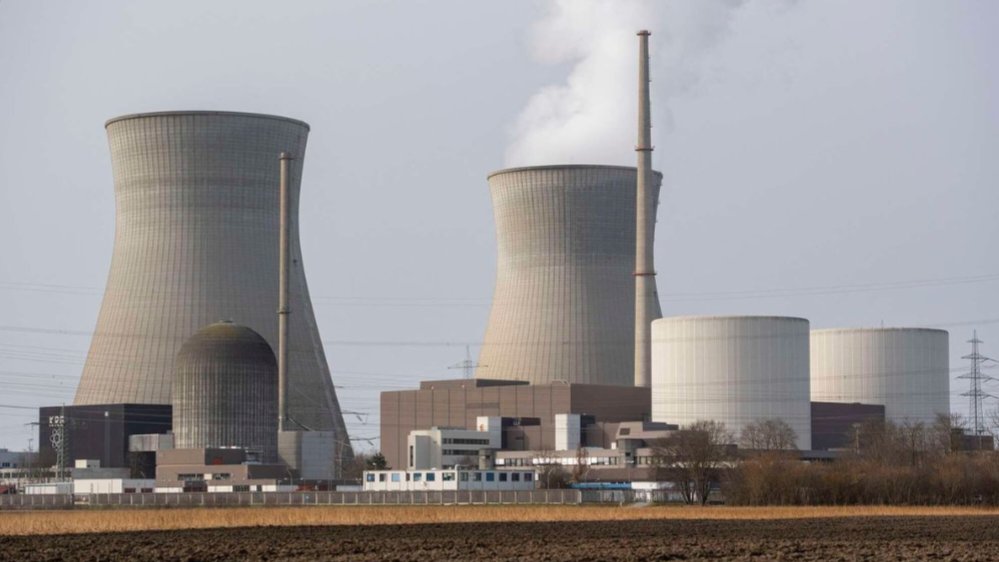
Kenya is advancing a Sh500 billion program to introduce nuclear power into its national energy mix, targeting construction of its first nuclear power plant.
The initiative aims to diversify energy generation sources and meet rising long-term electricity demands across commercial and domestic sectors.
The Nuclear Power and Energy Agency (NuPEA) is spearheading the government project, which involves establishing a 1,000-megawatt nuclear power plant.
Strategic locations under consideration include sites in coastal regions, notably Kilifi County and Kwale County, due to cooling water accessibility requirements.
Questions are emerging regarding Kenya's preparedness on public safety standards and local regulatory capacity. Experts and environmental stakeholders have raised doubts about the country's current framework to handle nuclear material, waste management, and emergency response operations effectively.
The high initial capital requirement of Sh500 billion has drawn attention from financial analysts, who emphasize the need for clear financing mechanisms.
Public consultations in targeted coastal communities have also highlighted concerns over potential displacement and long-term environmental impacts on marine ecosystems.
Government authorities maintain that nuclear energy will provide stable, baseload power to support industrialization efforts.
Officials stress that adherence to International Atomic Energy Agency (IAEA) guidelines remains a priority as preliminary site evaluations and legal framework updates continue.
The project timeline spans several years, requiring substantial infrastructural development before ground clearance and construction can officially begin.
Safety assessments, regulatory approvals, and public engagement processes will determine how the initiative moves forward in the coming years.
The Nuclear Power and Energy Agency (NuPEA) continues to work alongside international technical partners to build local expertise and administrative capacity.
Addressing community skepticism and establishing a fully functional nuclear regulator remain critical steps before any facility becomes operational.
Comments (0)
Leave a Comment
No comments yet. Be the first to share your thoughts!