

A version of this article was posted on Facebook by Ephraim Njenga.
Public commentary has emerged surrounding Safaricom PLC mobile data requirements for accessing its digital platform, MyOneApp.
Analysis shared by commentator Ephraim Njega highlighted user frustration regarding the application requirement forcing subscribers to connect directly through the telecom operator mobile data network during authentication.
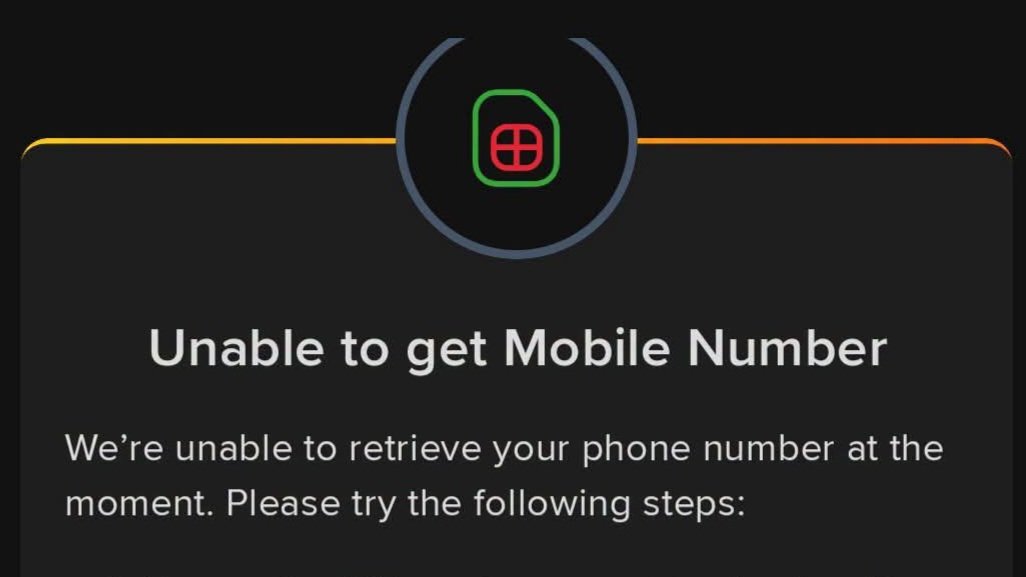
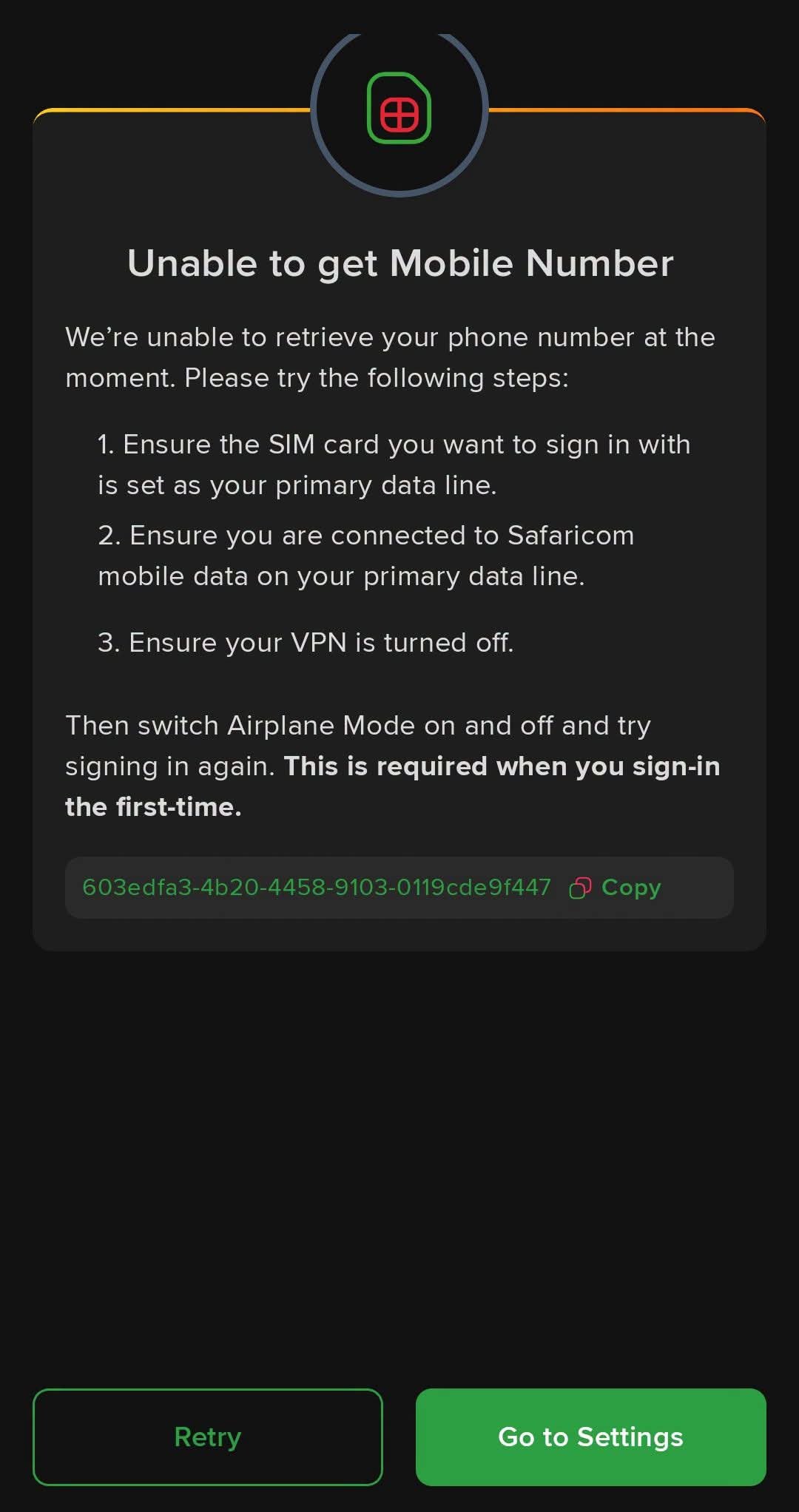
The system displays an error notice stating it is unable to retrieve the mobile number when users access the service through alternative connections.
Users must set the subscriber identity module, commonly known as Subscriber Identity Module (SIM), card as the primary data line and connect via active network coverage.
Troubleshooting protocols instructed by the platform mandate turning off Virtual Private Network (VPN) services and toggling flight mode to refresh network registration.
These technical steps are required during initial sign-in procedures to complete automated phone number verification.
The strict reliance on cellular network data over local Wi-Fi connections has raised concerns among consumers who rely on alternative connectivity options.
The requirement prevents access when subscribers run out of data bundles or attempt to connect using external wireless networks.
Digital infrastructure and software design standards increasingly rely on direct SIM-based network authentication for security verification.
Mobile network operators utilize direct network routing to validate user credentials against active network towers, reducing reliance on SMS-based two-factor authentication.
Despite the security benefits of direct network validation, customer sentiment reflects growing friction over mandatory data usage.
Telecommunication subscribers continue to request alternative verification methods that do not depend exclusively on active mobile data connections.
Comments (0)
Leave a Comment
No comments yet. Be the first to share your thoughts!