
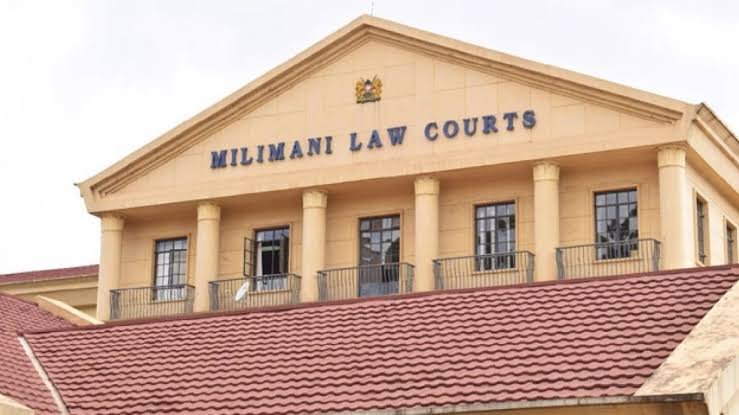

The integrity of forensic financial evidence came under intense scrutiny at the Milimani Law Courts, as defence lawyers in the Chase Bank collapse trial aggressively challenged the credibility of audit reports prepared by international firm Deloitte.
During a detailed cross-examination session, defence attorney Cecil Miller targeted the prosecution witness, Mr. Allo, over the regulatory track record of the audit firm, which has faced previous inquiries regarding other corporate collapses.
The defence forced key admissions regarding historical regulatory penalties, including a substantial fine imposed by the Capital Markets Authority (CMA). This penalty arose from a failure to identify critical financial discrepancies before the lender collapsed.
Mr. Allo confirmed to the court that the regulatory body fined the auditing firm Ksh 10 million, but the witness maintained that these errors did not directly cause the eventual downfall of the bank.
Miller pressed the witness on whether the actions and omissions of Deloitte directly contributed to the sudden closure of the commercial lender, but Mr. Allo firmly rejected the assertion that the firm caused the final collapse.
The cross-examination further highlighted past regulatory scrutiny involving Deloitte's previous oversight at several high-profile companies, including CMC Motors, Mumias Sugar, and Dubai Bank, which the witness acknowledged were subjects of past investigations.
A potential conflict of interest was also raised concerning the post-receivership timeline, when Deloitte was contracted to perform a comprehensive forensic audit despite having served as the statutory auditor leading up to the structural failure.
The defence argued that using the same firm for both assignments compromised the objectivity of the investigation, but Mr. Allo countered that entirely separate internal teams from different offices managed the respective accounts.
Significant disclosures emerged regarding the specific criminal culpability attributed to individual executives within the case files, when the witness made crucial clarifications under oath about the actual contents of the documentation.
Under intense questioning from Miller, the witness explicitly confirmed that the audit report did not conclude that the second accused person, Dan Kang'a Buyu, conspired with anyone to steal funds from the bank.
Mr. Allo further conceded that the forensic findings did not state that Buyu stole any money, nor did the report establish that the accused executive participated in illicit money laundering activities.
These specific admissions are expected to form the cornerstone of the upcoming defence submissions, as the legal teams attempt to show that the investigative reports do not connect the defendants to direct criminal acts.
The Central Bank of Kenya (CBK) placed Chase Bank under receivership in April 2016 following a severe liquidity crisis, which triggered an extensive crackdown on former directors and senior managers accused of financial malpractice.
The prosecution relies heavily on these disputed accounting reviews to build its criminal case against the former executives, who face multiple charges related to the loss of billions of shillings belonging to depositors.
The long-running trial continues to attract significant public interest across East Africa, as stakeholders look for accountability within the corporate governance systems governing major financial and infrastructure investment institutions.
The trial court adjourned the proceedings following the lengthy cross-examination, and the matter is scheduled to resume on August 4, 5, and 11, 2026, when additional evidence will be presented.
Comments (0)
Leave a Comment
No comments yet. Be the first to share your thoughts!