

A version of this article appeared on The Business Daily.
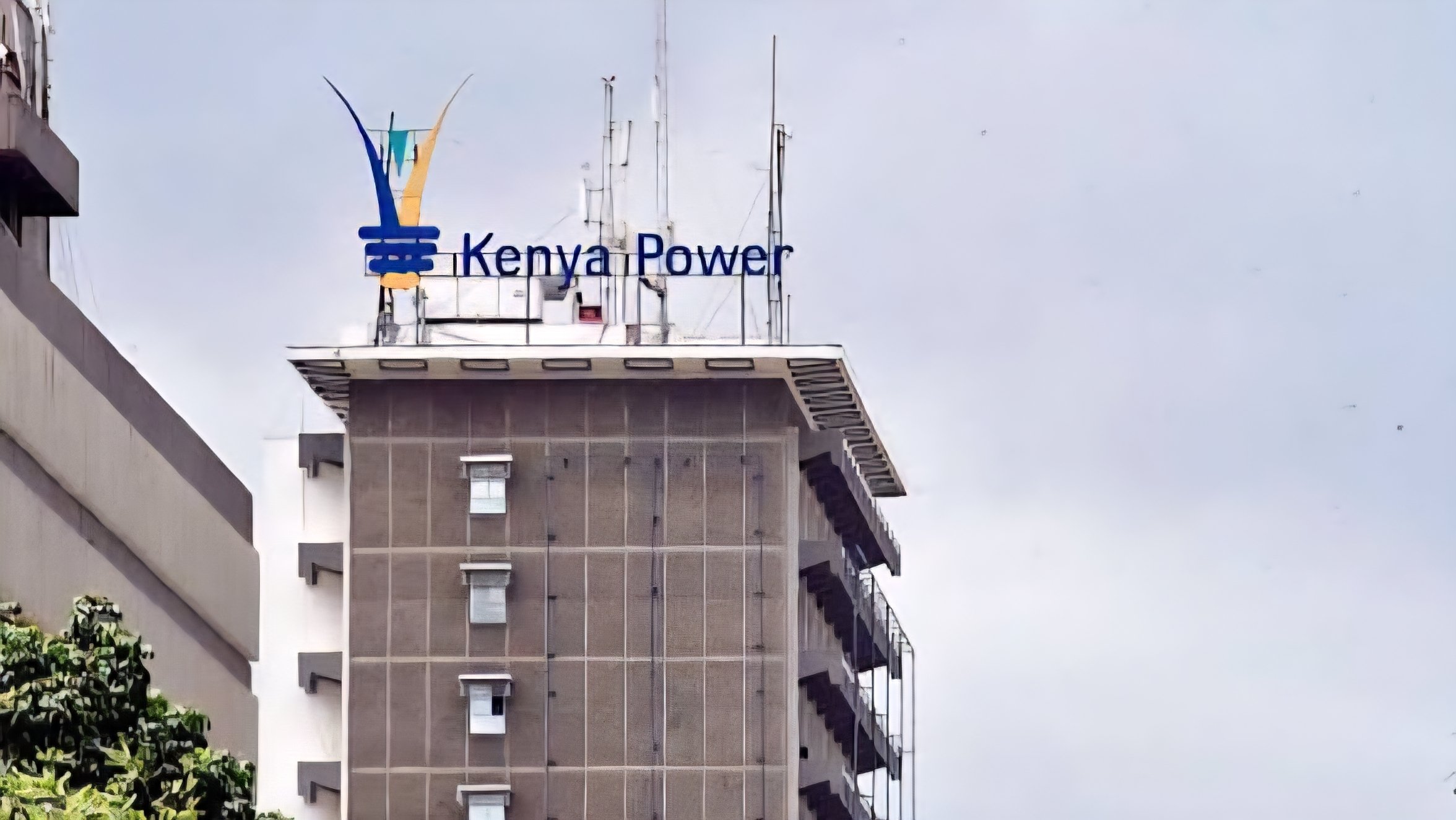
The Energy and Petroleum Regulatory Authority (EPRA) has published new regulations that allow power producers to bypass the national distributor and sell electricity directly to large-scale consumers. This move effectively ends the decade-long monopoly held by the Kenya Power and Lighting Company (KPLC).
The State issued the Energy (Electricity Market, Bulk Supply and Transmission) Regulations, 2024, which provide the legal framework for a competitive electricity market. Under these rules, Independent Power Producers (IPPs) can now apply for licenses to sell power to commercial and industrial customers.
This regulatory shift comes despite previous caution from international lenders. The World Bank had earlier issued a warning against a rapid push to end the monopoly, citing potential risks to the financial stability of the state-owned utility.
Government officials, however, argue that the new structure will improve efficiency in the energy sector. By allowing direct sales, the state expects to reduce technical and commercial losses often associated with the aging transmission infrastructure managed by KPLC.
The new regulations also outline the process for wheeling power, where private entities pay a fee to use existing transmission lines owned by the Kenya Electricity Transmission Company (KETRACO). This ensures that while the sale is direct, the physical delivery remains regulated.
President Ruto has previously advocated for reforms in the energy sector to lower the cost of production for manufacturers. High electricity tariffs have long been a complaint for the industrial sector, which many hope will be addressed through increased competition among suppliers.
Kenya Power has historically been the sole off-taker for all electricity generated in the country. This mandatory arrangement forced the utility to pay for power even when demand was low, a practice known as take-or-pay, which contributed to its mounting debt.
For the construction and manufacturing industries, the direct purchase of power could lead to more predictable energy costs. Large-scale housing developments and industrial parks are expected to be the primary beneficiaries of the new licensing regime.
EPRA remains the oversight body responsible for issuing these retail licenses. The authority will monitor the market to ensure that the entry of new players does not lead to a total collapse of the national grid's financial viability.
Market analysts suggest that while the transition will take time, the publishing of these regulations is the most concrete step toward a liberalized energy market. Existing IPPs are expected to begin negotiations with large-scale industrial consumers in the coming months.
The deregulation aligns with broader infrastructure goals to modernize the national energy landscape. By removing the single-buyer model, the government aims to attract more private investment into renewable energy projects, particularly wind and solar.
Comments (0)
Leave a Comment
No comments yet. Be the first to share your thoughts!