
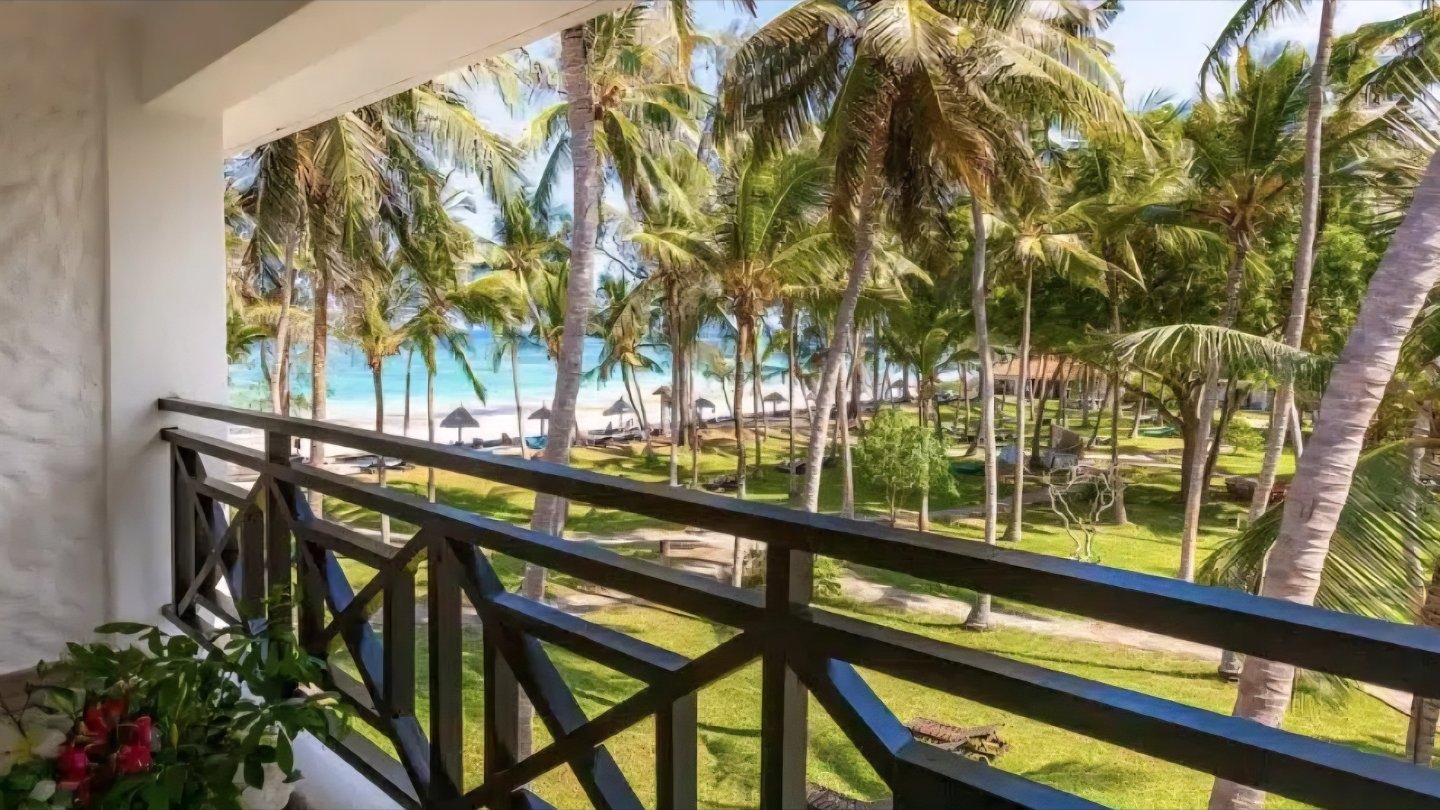

Land values in Kenya’s coastal region have experienced a significant upward shift, driven by a change in buyer preferences toward areas that offer natural beauty and leisure living.
According to the latest market findings from HassConsult, towns such as Diani and Watamu are leading this trend. These locations have seen land prices rise by more than 70 percent since the onset of the Coronavirus Disease (COVID-19) pandemic in 2020.
The report suggests that investors and home buyers are increasingly moving away from traditional urban hubs, seeking instead the exclusivity of beachfront access. This shift has placed immense pressure on the available land inventory in prime holiday destinations.
Diani, located in Kwale County, has emerged as a particularly strong performer. The town’s reputation as a premier tourist destination has translated into sustained demand for residential and commercial plots.
Similarly, Watamu in Kilifi County has recorded a substantial increase in valuation. The influx of high-net-worth individuals looking for secondary homes or vacation rentals has tightened the market, pushing prices to new levels.
The trend reflects a broader global movement where remote work and a focus on wellness have influenced real estate portfolios. Many buyers are now prioritizing lifestyle over proximity to Central Business Districts (CBD).
For the construction sector, this price appreciation signals a potential rise in high-end residential developments. Contractors are likely to see increased activity in luxury villas and boutique resort projects along the coastline.
However, the rapid escalation in costs presents challenges for middle-income developers. As land becomes more expensive, the feasibility of affordable housing projects in these specific coastal corridors becomes more difficult to maintain.
Infrastructure improvements have also played a role in these price adjustments. Enhanced road networks and better accessibility to regional airports have made commuting to the coast more practical for professionals and expatriates.
The HassConsult data indicates that while the pandemic initially slowed economic activity, it served as a catalyst for the coastal property market. The desire for open spaces and sea views has become a primary driver for investment.
Local authorities in Kilifi and Kwale are now faced with the task of managing this growth. Sustainable urban planning will be required to ensure that the surge in construction does not compromise the environmental integrity of the beaches.
As the market continues to evolve, analysts expect the focus to remain on holiday-centric locations. The 70 percent growth mark serves as a clear indicator of the region's resilience and its growing appeal to the private sector.
Comments (0)
Leave a Comment
No comments yet. Be the first to share your thoughts!