

A version of this article appeared on The Atlantic.
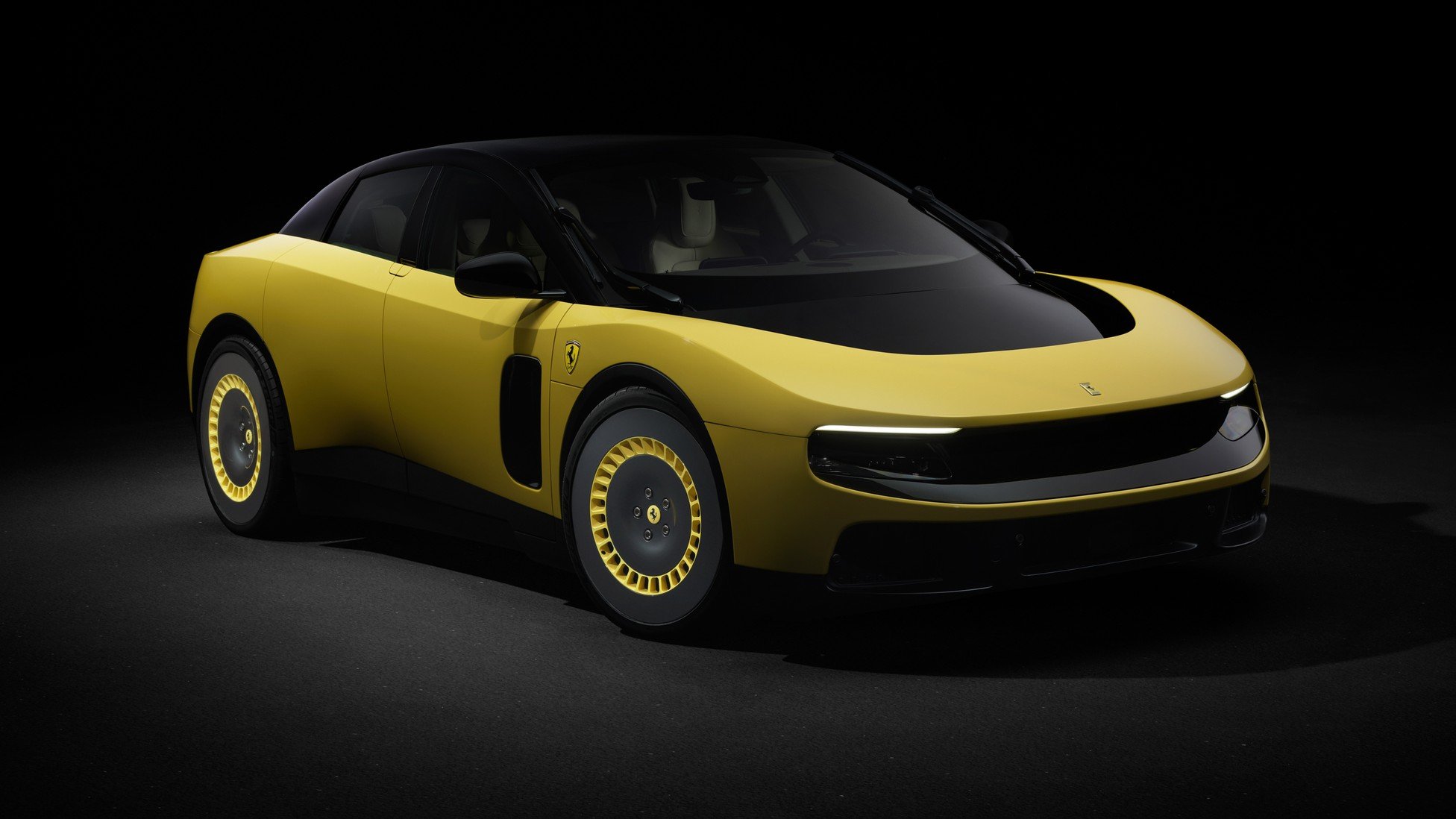
The global luxury automotive market faced an unexpected design debate this week after Ferrari unveiled its first all-electric vehicle, the Luce EV.
Priced at $640,000, the vehicle represents a radical departure from the sharp angles traditionally associated with the Italian manufacturer, opting instead for a rounded, bubble-like appearance.
The aesthetic shift immediately drew the attention of industrial design analysts and financial markets alike, causing a sharp reaction on the trading floor.
Ferrari’s share price fell more than eight percent on the Milan stock exchange the day after the company unveiled the vehicle, as investors reacted to the controversial design direction.
British automotive publication Auto Express described the new model as the Apple car that no one wanted, a direct nod to former Apple chief designer Jony Ive, whose independent design agency LoveFrom helped create the vehicle.
The comparison comes two years after Apple officially canceled its own decade-long electric vehicle initiative, known internally as Project Titan, in 2024 to redirect corporate engineering resources toward generative artificial intelligence.
The round, minimalist language of the Luce EV has prompted industry observers to question whether elements of Apple’s abandoned design philosophy survived through the Italian supercar brand.
Public reaction to the vehicle extended beyond financial markets, with several global consumer brands publicly mocking the silhouette on social media.
Swiss confectionery brand Toblerone published a modified image of its signature triangular chocolate bar, altered to match the pale blue hue of the unveiled Ferrari model and accompanied by a statement reinforcing that the brand retains its traditional sharp angles.
Nissan also entered the fray through its Irish division, publishing side-by-side images comparing the $640,000 supercar to the third-generation Nissan Leaf, noting with irony that the company felt flattered by the structural similarities.
Even high-profile viewings failed to generate uncritical enthusiasm, with reports noting that Pope Leo XIV appeared largely unimpressed when presented with a white edition of the vehicle.
Despite the widespread mockery and market volatility, industry media noted that the unconventional design has accomplished the primary objective of securing global attention.
The vehicle represents a significant shift in infrastructure and manufacturing priorities for high-performance luxury brands, as traditional combustion engine manufacturers navigate European and global transitions toward electrification.
Whether the initial market skepticism and design criticism will impact long-term pre-orders for the vehicle remains unconfirmed, but the initial rollout has highlighted the high financial stakes tied to radical departures in industrial automotive design.
Comments (0)
Leave a Comment
No comments yet. Be the first to share your thoughts!