
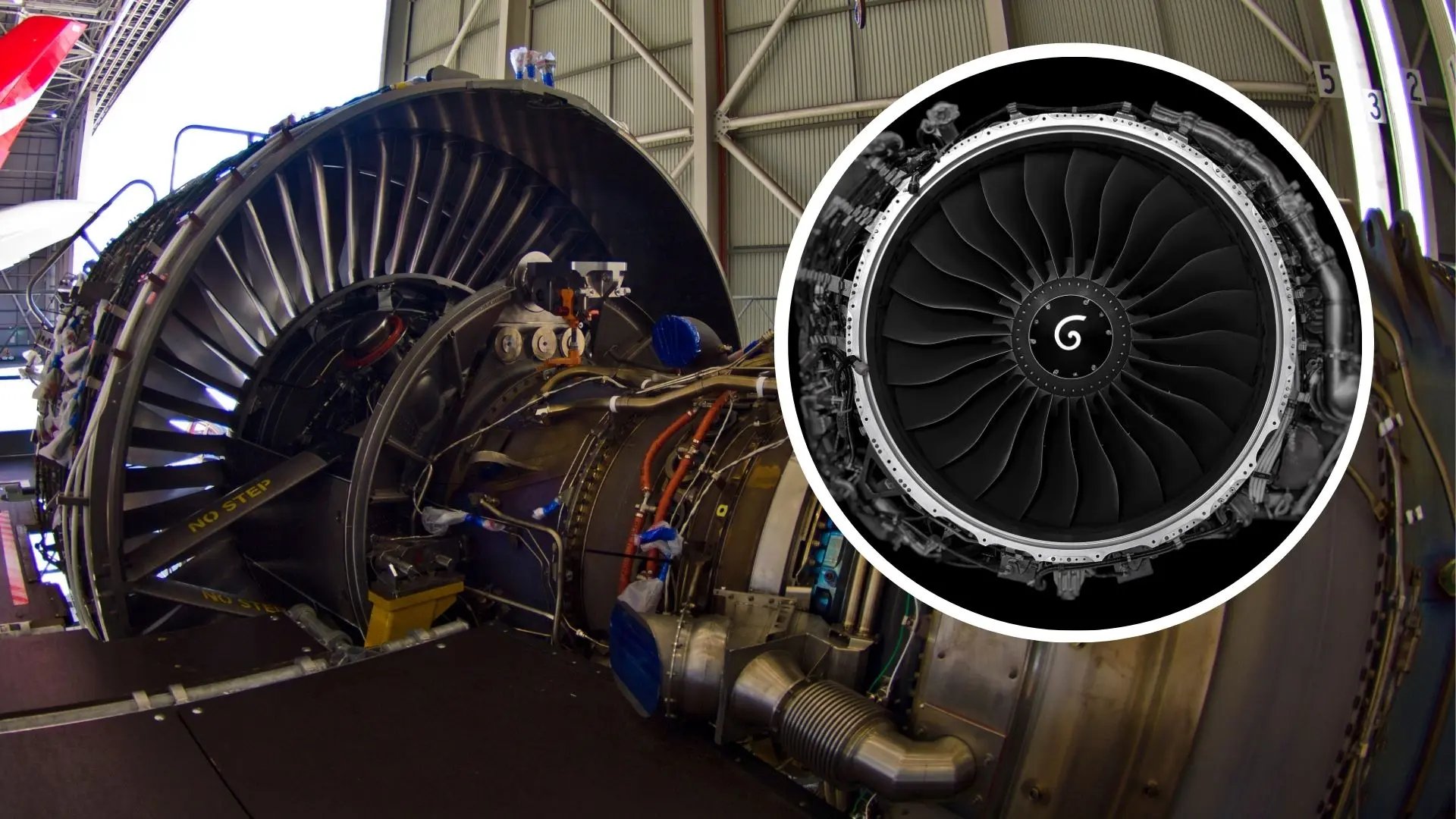

The GEnx-1B engine from General Electric (GE) Aerospace has officially crossed 50 million flight-hours. This operational milestone occurred in a period of slightly over 14 years.
This represents the fastest accumulation rate for any widebody engine from GE, when measured against previous models. The powerplant exclusively drives the Boeing 787 Dreamliner.
The engine operates with a dispatch reliability rate of 99.98 percent. This metric indicates exceptional operational consistency, if routine maintenance schedules are maintained.
More than 50 airline operators globally utilise the engine in their active fleets. Together, these carriers generate an average of 600,000 flight-hours every single month.
The broader engine family includes over 2,700 units currently in active service. This overall figure incorporates both operational engines and available spare units, but excludes retired models.
Over the past ten years, GE has heavily upgraded the engine technology. Enhancements primarily target high-pressure turbine blades and advanced combustor coatings.
These technical improvements have successfully doubled the operational time on wing. Engines can now endure the harshest environmental conditions for extended periods without removal.
The manufacturer continues to introduce new maintenance technologies to support the growing fleet. One such hardware innovation is a specialised 360 Foam Wash system.
This advanced cleaning solution effectively breaks down accumulated dust and dirt particles. The routine process improves compressor efficiency and reduces overall fuel consumption.
Another recent development is the Blade Inspection Tool (BIT) for detailed hardware analysis. Inspectors use integral cameras combined with Artificial Intelligence (AI) to evaluate internal components.
The global aviation industry continues to place large orders for the reliable powerplant. AerCap Holdings recently selected the engine for 15 additional Boeing 787 Dreamliners.
The international leasing company currently manages a portfolio of approximately 200 of these engines. This specific holding makes the firm the largest owner of the aircraft type.
Philippine Airlines also recently chose the engine for its incoming widebody passenger fleet. The national carrier will power 15 new Boeing 787-10 jets with the technology.
GE is investing heavily to maintain production and supply-chain stability globally. The company allocated one billion United States (US) Dollars across its US facilities.
A portion of these financial funds specifically targets strengthening global supplier capabilities. This strategic allocation ensures the steady production of critical components for the engine programme.
The engine was originally designed to succeed the older CF6 powerplant model. The newer propulsion technology delivers lower Carbon Dioxide (CO2) emissions during long-haul international flights.
The manufacturer maintains a strong focus on predictable performance and optimal fuel efficiency. Global airlines depend on this consistency across demanding and highly competitive international flight routes.
Mohamed Ali serves as the Chief Executive Officer (CEO) of the commercial engines division. He noted that the milestone reflects daily airline trust, although the company continues improving designs. The executive emphasised the need for durability.
Comments (0)
Leave a Comment
No comments yet. Be the first to share your thoughts!