
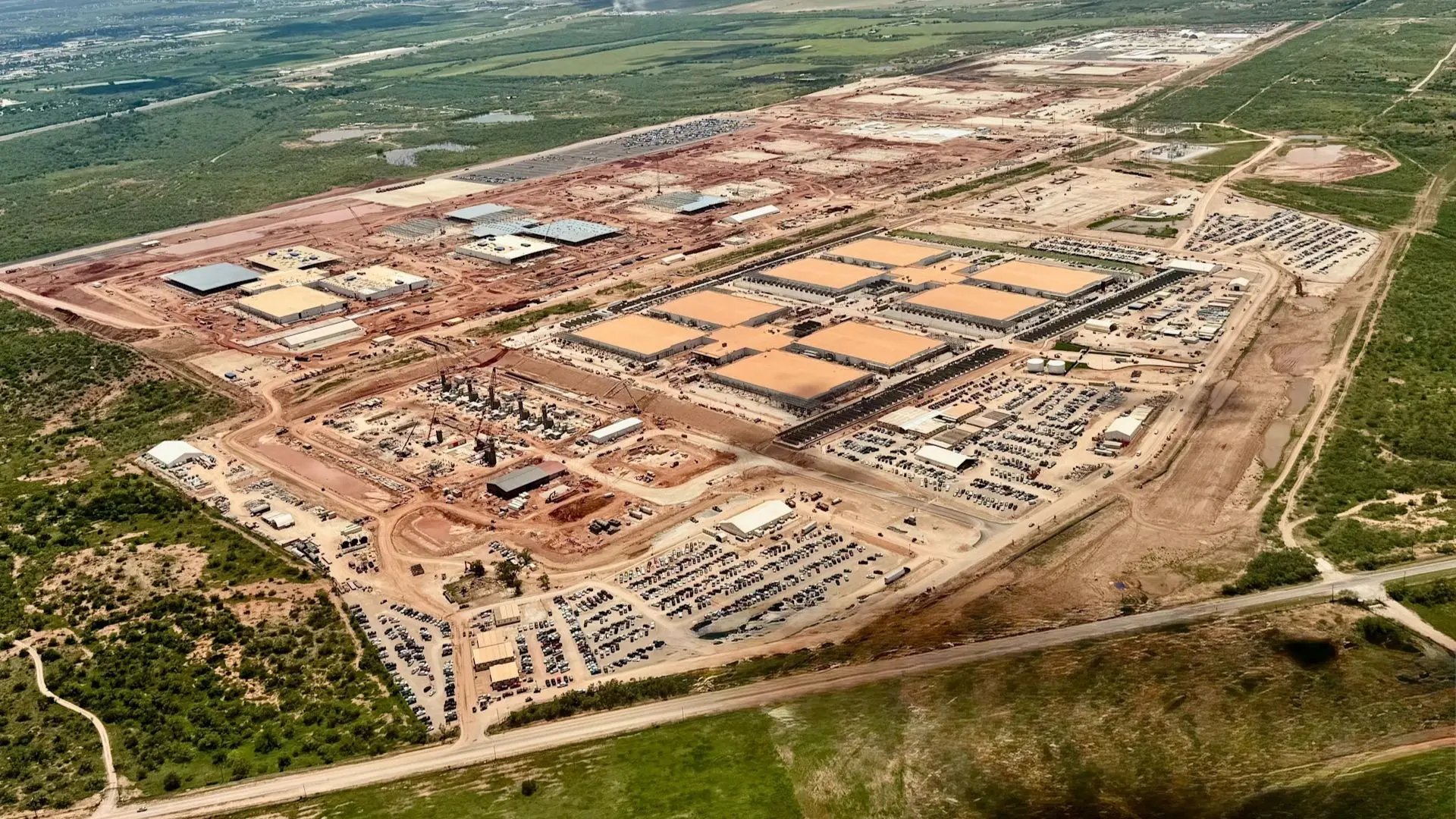

Technology developer OpenAI has unveiled plans to construct a massive infrastructure facility in Effingham County, Georgia. The project is expected to cost over $30 billion upon full build-out.
The campus is designated internally as Project Camellia. It will deliver up to 3.2 Gigawatts (GW) of computing capacity for Artificial Intelligence (AI) operations once fully completed.
Construction will take place within the Savannah Gateway Industrial Hub on a 1,400-acre site. The area was previously master-planned for industrial warehouse facilities near Savannah.
Development will proceed in multiple phased stages across the decade. Initial power capacity will come online in 2028, with final completion targeted for 2022 to 2032.
OpenAI has contracted directly with utility provider Georgia Power to secure high-voltage electricity supply. The company committed an initial $20 billion to qualify for local state incentives.
Under state regulatory guidelines, OpenAI must cover all dedicated electrical infrastructure expenses. Consequently, regional utility customers will not face rate increases to fund the power grid hookups.
To mitigate local grid strain, the operator agreed to an extensive demand-response mechanism. The facility will proactively trim power draw during peak demand periods before residential supplies face impact.
Engineers designed a closed-loop water cooling framework to regulate processing equipment. The system recirculates internal fluid continuously, which keeps overall local water withdrawal extremely low.
Site water usage will match typical office operations, serving standard administrative facilities. This approach avoids diverting water resources away from surrounding municipal utility networks.
OpenAI plans to lead core architectural design for the facility directly. The developer intends to publish standardized technical blueprints as open-source resources for future industrial data builds.
Former supercomputer infrastructure architects were hired to oversee physical construction. Management aims to establish a uniform building pattern for large-scale technology facilities across the United States (US).
The project will generate thousands of civil construction jobs during structural assembly. Once operational, the facility expects to support over 1,000 permanent technical and maintenance roles.
Tax revenues generated by the heavy industrial development will reach hundreds of millions of dollars. Local officials anticipate the facility will become the largest single ratepayer in the county.
The firm pledged $80 million toward dedicated community funding over the operating lifespan. Resources will target regional workforce training, local healthcare services, and public infrastructure upgrades.
An additional $71 million in software development credits will support technical college students. Eligible pupils across state institutions will receive access to automated coding software applications.
An independent auditing agency will review physical site operations annually. Published compliance reports will verify adherence to environmental, water, and power agreements throughout active operation.
The enterprise is simultaneously rolling out its Presence software framework for commercial users. The deployment of physical computing assets supports this broader expansion into corporate enterprise software markets.
Comments (0)
Leave a Comment
No comments yet. Be the first to share your thoughts!