
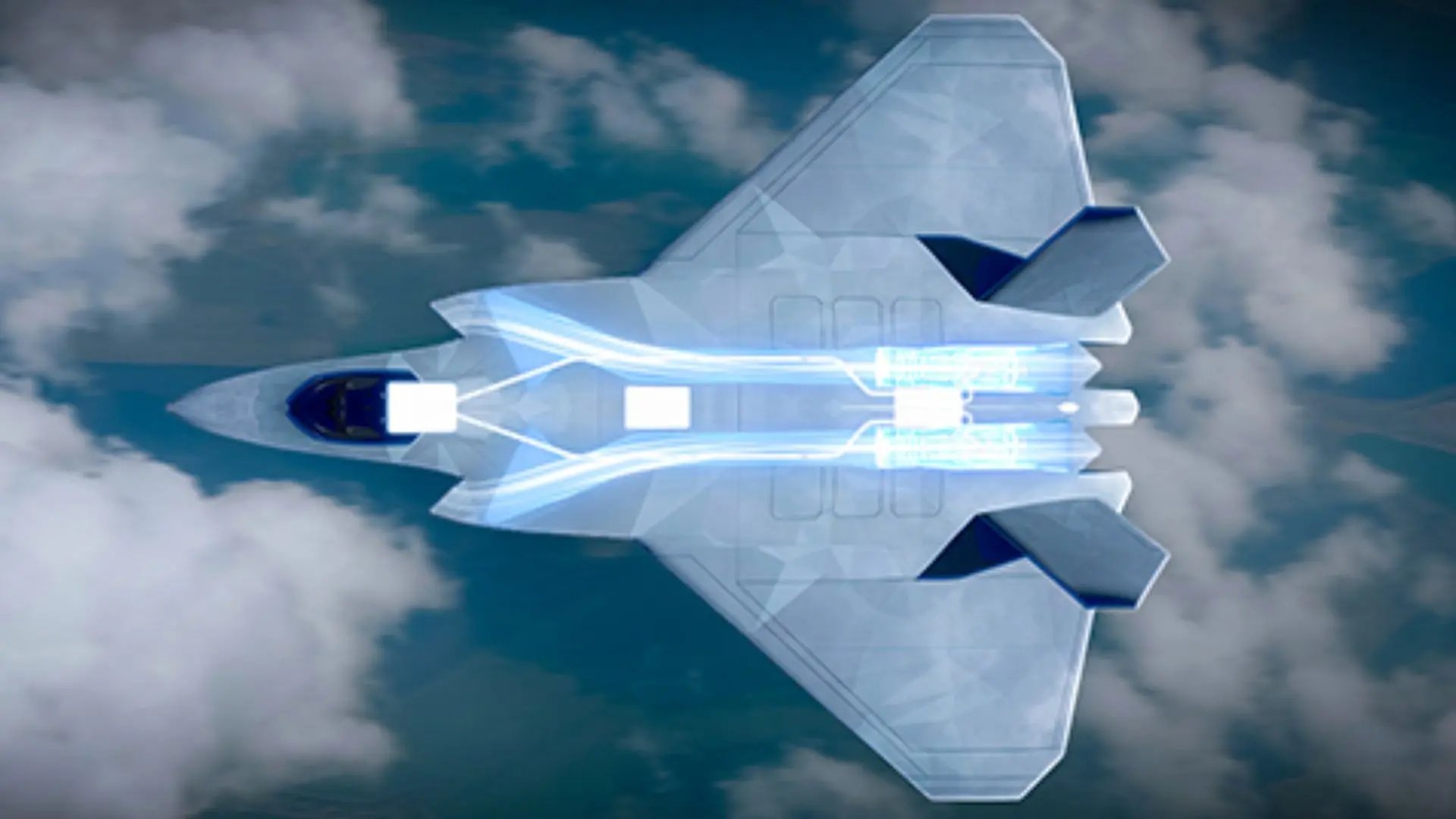

Engineers working on the Global Combat Air Programme (GCAP) completed crucial design reviews, which cleared the path for upcoming ground trials. The international effort involves industrial partners from the United Kingdom (UK), Italy, and Japan.
Rolls-Royce, Avio Aero, and IHI Corporation (IHI) finalized joint technical evaluations for the core power unit. Manufacturing of full-scale engine parts continues alongside these design achievements across all three participating countries.
Engineers completed more than 100 subscale component tests to date, which validated critical propulsion technologies. These bench tests provided vital performance data regarding internal combustion, thermal management, and structural integrity.
The upcoming demonstrator engine will evaluate physical hardware and digital architecture, before full-scale production begins. Officials stated that testing hardware early reduces overall technical risks, while shortening the long-term development lifecycle.
The propulsion package must supply immense electrical power alongside traditional flight thrust, which supports modern military hardware. Project engineers often describe the advanced concept as a flying power plant, because modern fighters rely heavily on high-powered electronics.
Advanced sensors, radar systems, and directed energy weapons require unprecedented thermal control and electrical generation. The new power plant manages these intense heat loads, which ensures high reliability during demanding combat operations.
Trilateral cooperation expanded over the past year with a dedicated collaboration hub in Reading, UK. This shared facility allows engineers to collaborate directly with government representatives, which streamlines daily decisions across time zones.
Advanced manufacturing methods are central to constructing the new engine components, which includes 3D printing techniques. Specialized additive manufacturing creates complex internal cooling passages, which help turbine blades withstand extreme internal operational temperatures.
The joint development effort currently sustains over 9,000 skilled aerospace positions across the three participating nations. Industrial leaders noted that cross-border cooperation helps build long-term manufacturing capacity, which strengthens global defence supply networks.
The demonstrator engine represents a practical stepping stone toward delivering an operational combat aircraft by 2035. Gathering real-time ground test data allows engineers to refine software tools, which improves overall production quality.
Work will now shift toward assembling the complete test engine, which prepares the unit for full static ground runs. These upcoming tests will measure real thrust output, electrical generation, and cooling efficiency under simulated environmental stress.
Engineers plan to integrate lessons learned from ground testing directly into the final fighter design. This iterative development approach ensures that power systems meet future operational demands, while keeping project timelines strictly on schedule.
Testing facilities across Europe and Asia will continue evaluating individual assemblies, which maintains steady production momentum. Continuous hardware verification remains essential, because the complex propulsion architecture forms the core foundation of the entire airframe project.
As component manufacturing moves forward, the consortium continues aligning engineering standards across all three corporate cultures. This shared technical framework lays a necessary foundation, which guarantees long-term support for future fleet maintenance operations.
Final assembly of the demonstrator engine remains ongoing, which marks the transition into practical testing. Industry teams expect ground test results to validate key systems, which supports overall project goals.
Collaborative engineering efforts ensure that technical risks are addressed early, which minimizes unexpected delays during future flight trials. Successful engine integration remains vital, as military forces prepare for next-generation aerial requirements.
Comments (0)
Leave a Comment
No comments yet. Be the first to share your thoughts!