
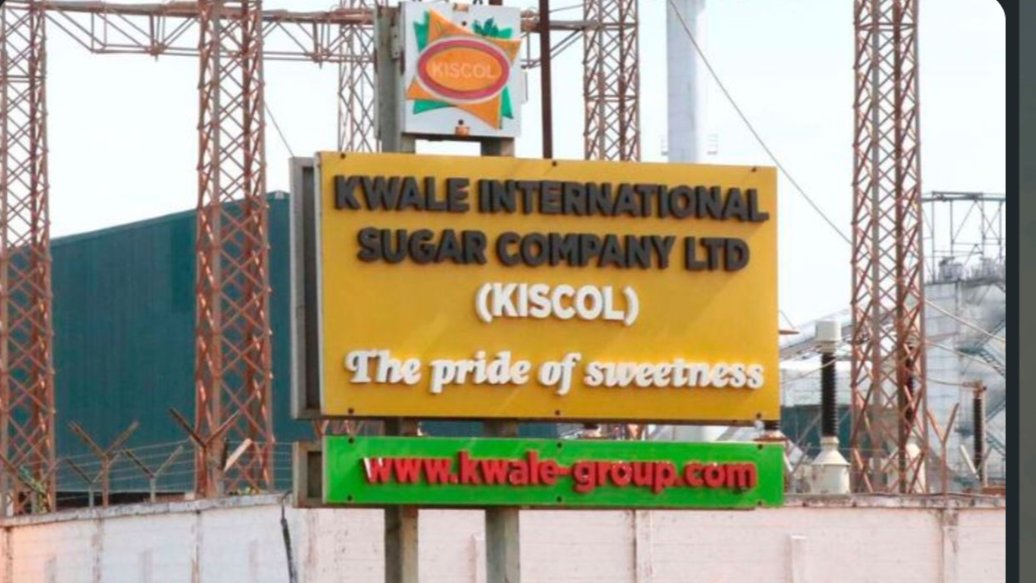

Agriculture and Livestock Development Cabinet Secretary Mutahi Kagwe has announced the formation of a multi-stakeholder committee to spearhead the reopening of Kwale International Sugar Company Limited (KISCOL). The facility has faced years of operational disruptions that halted crushing activities and left local growers without a functional outlet for harvested cane.
The initiative aims to address long-standing hurdles that caused the plant to shut down. The Kenya Sugar Board (KSB) will lead the panel, which brings together representatives from the national government, Kwale County officials, private investors, growers, local leaders, and security agencies.
During an inspection of the milling plant, irrigation dams, nucleus estate, and outgrower fields in Kwale County, CS Kagwe stated that the state primary focus remains restoring rural income streams. He emphasized that the industrial asset must serve the immediate community through active production rather than remaining idle.
The revival framework includes dispersing Ksh 66 million in outstanding payments owed to local sugarcane farmers. Officials expect that clearing these arrears will encourage surrounding growers to resume cultivation and restock the primary supply chain.
As one of the largest private agricultural developments in the region, the complex features an integrated processing system designed to handle up to 3,300 tonnes of sugarcane daily. Its infrastructure encompasses a 5,000-hectare nucleus estate equipped with specialized irrigation systems to ensure consistent yields during dry periods.
The industrial site includes facilities capable of generating 18 megawatts (MW) of electricity from bagasse, a fibrous byproduct of crushed cane. Beyond grid power, the complex holds capacity for processing molasses and ethanol once technical operations restart.
Restarting the complex requires tackling non-financial obstacles that previously forced managers to suspend operations. The appointed committee has received orders to resolve land disputes, curb equipment vandalism, and establish security protocols around the core plantations.
CS Kagwe noted that President William Ruto supports the intervention as part of a national drive to increase domestic sugar yields. National production increases are intended to reduce reliance on foreign sugar imports that currently consume substantial foreign exchange reserves.
Local agricultural officers indicate that factory operations previously created demand for transport services, mechanical repair workshops, irrigation maintenance, and retail commerce across the coastal belt. Restoring the factory floor will re-establish those commercial links.
KSB representatives will now draft an operational timeline to guide technical repairs, land clearance, and raw material assembly. County authorities have committed to coordinating local security and farmer engagement while engineers assess the mechanical state of the milling equipment.
Government officials maintain that full production at the Kwale facility will stabilize supply chains across southern coastal districts, which previously suffered heavy economic losses following the sudden closure of the processing plant.
Comments (0)
Leave a Comment
No comments yet. Be the first to share your thoughts!