
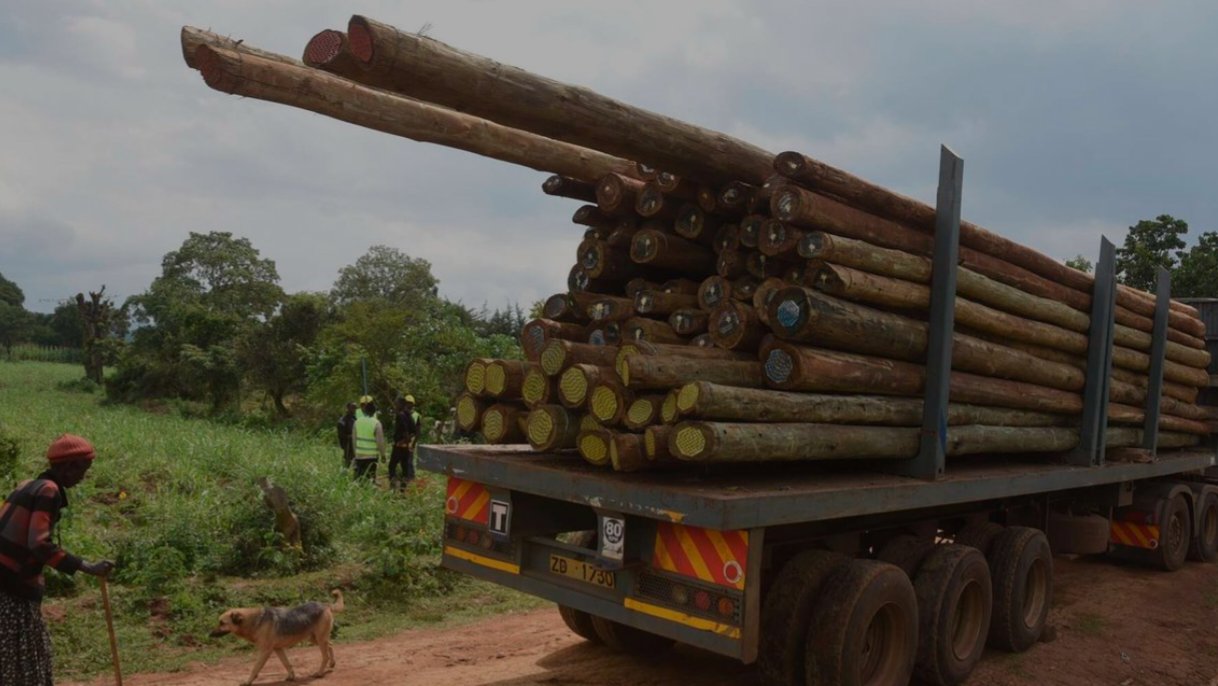

A tax standoff between state agencies has left critical grid connection materials stuck at the port. More than 1,700 packages of power line hardware face a public auction.
The equipment, imported by a private contractor on behalf of Kenya Power and Lighting Company (KPLC), remains held at the depot. Kenya Revenue Authority (KRA) issued an auction notice after the cargo overstayed.
Seven containers holding transformers, meter boxes, and hardware arrived in April 2026 at the Inland Container Depot (ICD) in Syokimau. The tax agency gave a 30-day notice for clearance before putting the shipment under the hammer.
Kenya Power maintains that materials intended for grid expansion are tax-exempt. The utility firm noted that the National Treasury issued a formal exemption letter for the donor-funded initiative, which aims to expand electricity access across rural regions.
Items imported for the Last Mile Connectivity Project (LMCP) qualify for relief from customs duties, and Value-Added Tax (VAT). Public electrification schemes funded through external partners routinely receive fiscal waivers under existing national laws.
The stranded hardware is designated for the sixth phase of the rural electrification drive. The program targets low-income homes, when households sit within 600 metres of an existing distribution transformer.
Beneficiaries pay a subsidised fee averaging Ksh15,000 to obtain a grid connection. Delays in releasing consignment boxes threaten to disrupt construction schedules for field technicians across multiple counties.
Energy Cabinet Secretary Opiyo Wandayi previously commissioned connectivity schemes under the initiative. Government officials pushed to expand local distribution networks, but clearance disputes at container terminals continue to impede site installations.
Contractors handling distribution work require continuous access to imported pole hardware, conductors, and meters. If KRA proceeds with the auction, execution timelines for sub-counties will face significant operational friction.
Treasury officials have stepped in during previous inter-agency disputes to reconcile tax claims against state infrastructure projects. However, the 30-day auction window leaves limited time for formal administrative settlement.
Kenya Power relies heavily on concessional funding to build out low-voltage networks. Stalling imported components at entry points increases storage fees, which risks inflating project overheads if disputes drag on.
Customs clearance delays at inland terminals remain a recurring friction point for state infrastructure projects. Multi-agency coordination between transport authorities, revenue collectors, and utility providers remains critical for infrastructure completion.
Field engineering crews depend on steady material deliveries to complete final drops to domestic supply points. Holding electrical hardware in storage yards delays service turn-on dates for rural households awaiting power.
Port authorities require strict adherence to storage timelines to prevent freight congestion at inland dry ports. Revenue officers hold authority to listing overstayed goods for public bidding, although government projects often seek special clearance waivers.
The resolution of the dispute will determine whether hardware moves to field installation sites or enters the commercial market. Power distribution works require immediate release of the impounded equipment to sustain network development.
Energy sector observers note that administrative bottlenecks risk undermining national electrification targets. Swift alignment between revenue officers and energy officials remains necessary to keep rural grid expansion moving forward efficiently.
Comments (0)
Leave a Comment
No comments yet. Be the first to share your thoughts!