
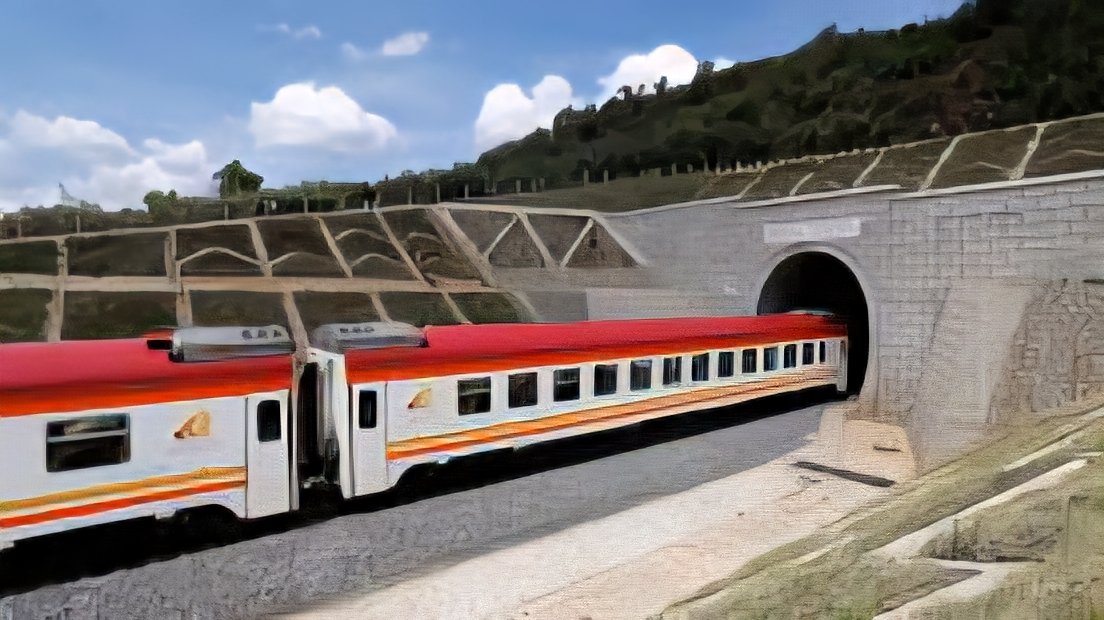

Kenya is exploring a partnership with Turkish engineering firm Yapi Merkezi Holdings AS to overhaul the Standard Gauge Railway, known as the SGR. The move signals a shift toward diversifying international partners for the country’s flagship infrastructure.
The discussions focus on converting the existing Chinese-built rail line into a fully integrated regional corridor. A primary component of the proposal involves the electrification of the tracks, which currently rely on diesel-powered locomotives.
Yapi Merkezi is not a stranger to the region. The firm is already heavily involved in East African infrastructure, having secured major contracts for the Standard Gauge Railway in Tanzania and most recently in Uganda.
By engaging with Kenya, the Turkish company seeks to create a seamless link between its Ugandan operations and the Kenyan coast. This would theoretically allow for smoother transit of goods from the port of Mombasa to the heart of the continent.
The Kenyan government has expressed interest in this integration as it seeks to maximize the utility of the SGR. Since its launch, the rail line has faced questions regarding its long-term financial sustainability and its reach into the hinterland.
The transition to electric rail is seen as a way to lower long-term operating costs and align the project with modern environmental standards. Most of the newer rail segments being built in neighboring Tanzania are already electric-ready.
According to reports from Business Insider Africa, these talks come at a time when Kenya is looking to modernize its transport networks. The goal is to move beyond the initial construction phase and into a more efficient, high-capacity operational model.
President Ruto has previously emphasized the need for regional connectivity to spur trade within the East African Community. Linking the Kenyan and Ugandan systems under a unified technical standard would be a significant step toward that objective.
For Yapi Merkezi, the project represents an opportunity to consolidate its footprint in the East African rail market. The company has built a reputation for delivering large-scale civil engineering works across the continent over the last decade.
The original SGR was largely funded and constructed by Chinese entities. While the existing infrastructure remains a critical asset, the introduction of Turkish expertise suggests Kenya is broadening its procurement strategy for the next phase of development.
Technicians and planners are now weighing the feasibility of the electrification process. This would require substantial investment in power substations and overhead lines along the hundreds of kilometers of track spanning from Mombasa to Suswa.
If the deal progresses, it could redefine the logistics landscape of the Northern Corridor. Traders in the region have long called for a more reliable and faster connection between the Great Lakes region and the Indian Ocean.
The integration would also likely involve harmonizing signaling and communication systems across the border. Such technical alignment is necessary to ensure that trains can move between the two nations without lengthy delays at the frontier.
Observers of the construction industry note that Yapi Merkezi’s involvement could bring a different financing model to the table. This may include export credit agency financing, which the firm has utilized for its previous projects in Africa.
While the talks are in a developmental stage, the intent is clear. Kenya wants a modern, electrified corridor that functions as a single unit with its neighbors, rather than a standalone national track.
Comments (0)
Leave a Comment
No comments yet. Be the first to share your thoughts!