

Kenya Electricity Transmission Company (KETRACO) has highlighted structural distribution challenges impacting power supply across parts of Laikipia and Samburu counties.
Electricity distribution in these regions relies on extended feeder lines, which cause severe operational constraints.
Rumuruti and Maralal towns currently receive power through a long 33 kilovolt (kV) distribution line originating from the Lanet Substation in Nakuru County. This long arrangement leads to substantial voltage drops, which cause frequent power instability for local businesses.
The existing 132/33kV facility at Lanet Substation struggles to maintain optimal power quality over long distances. As electricity travels along the length of the rural line, technical losses increase, which reduces terminal voltage at end-user locations.
To correct these distribution deficits, state engineers are advancing the construction of a 148 kilometer (km) high-voltage line. The proposed 132kV Rumuruti to Maralal transmission project aims to bypass reliance on overloaded lower-voltage lines.
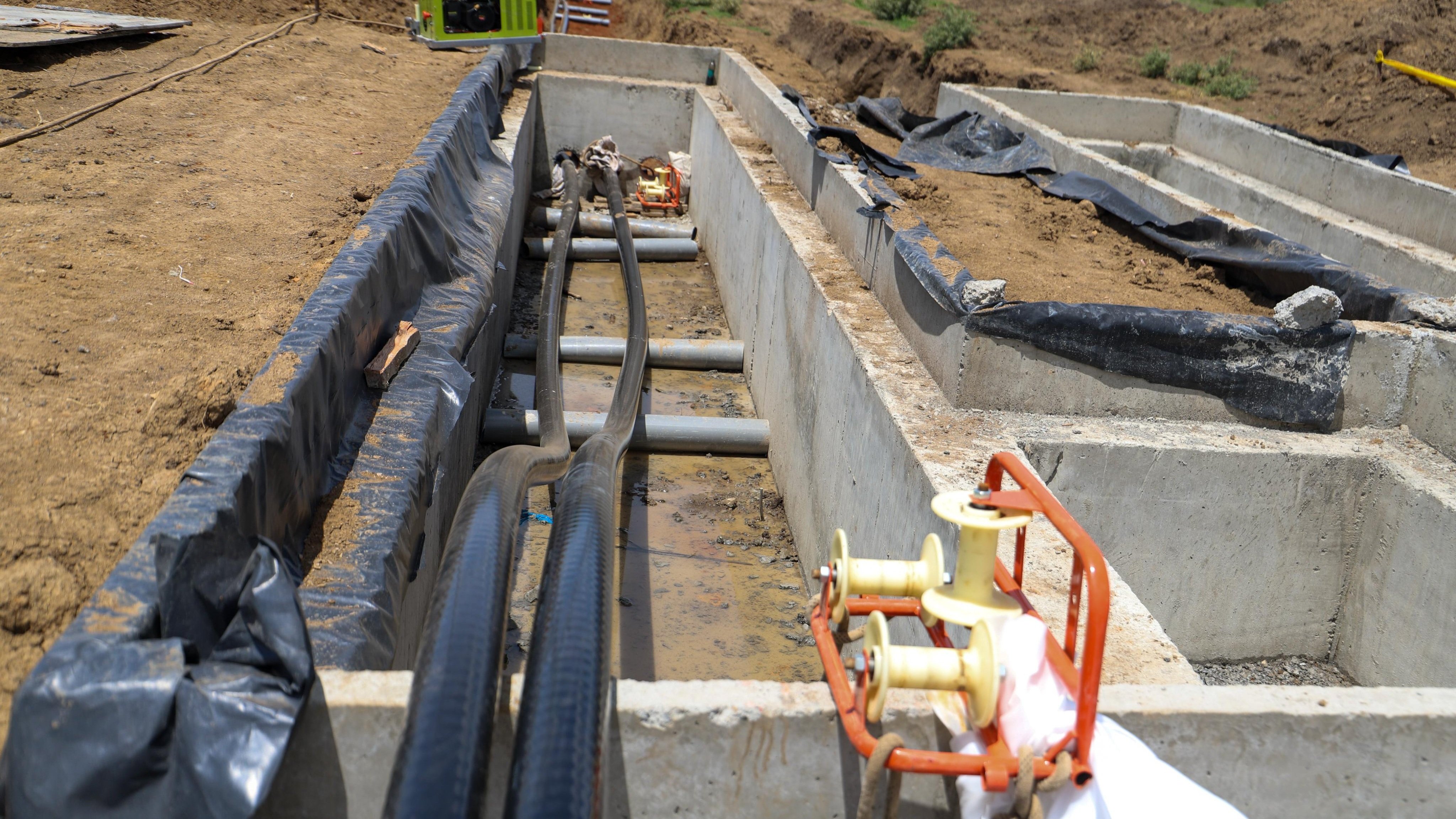
The scope of work encompasses dedicated high-voltage lines, which connect intermediate switching infrastructure. Contractor crews are executing heavy underground cable trenching, civil works, and conduit installations, which support secondary feeder networks.
Civic leaders and regional administrators have long pushed for dedicated power infrastructure, as power supply issues hamper regional commercial growth. Grid improvements will support hospitals, public institutions, and processing plants, which require stable electricity supply.
National grid expansion plans show that the new link will interface with the broader 132kV network. By stepping down voltage closer to load centers, engineers can manage distribution loads, which reduces sudden trips and feeder shutdowns.
Technical studies conducted prior to construction showed that expanding intermediate substations remains crucial. Integrating new sub-stations at key demand hubs will allow operators to reroute power during emergencies, which limits countywide blackouts.
The project also aligns with wider regional development plans across the Rift Valley region. Reliable power infrastructure remains vital for the Kenya Police Reserve and military bases, which operate security installations across Samburu County.
Energy ministry officials confirmed that upgrading transmission capacity directly aligns with national electrification targets. Lowering line impedance will cut technical power losses, which improves revenue collection for state utilities like Kenya Power.
Construction teams continue to complete civil works along the right of way despite terrain challenges. Workers are laying heavy cables inside reinforced concrete trenches, which protect essential equipment from environmental damage and soil movement.
Local authorities in Samburu County expect the completed grid infrastructure to attract private investors. Reliable energy access creates new opportunities for agricultural processing, trade, and public services, which drive economic expansion across rural centers.
Once fully integrated into the national grid, the new high-voltage line will deliver consistent power. Residents in Rumuruti and Maralal can look forward to stable electricity, which supports residential expansion and essential community services.
KETRACO continues to monitor progress across all civil engineering and electrical installation sites. Supervisory teams are ensuring that contractors meet safety standards and environmental regulations, which remain essential during transmission line construction.
The completion of this high-voltage corridor will alter how regional utilities manage remote electricity distribution. With dedicated substations nearing operational readiness, power reliability across Northern Kenya will improve noticeably.
Comments (0)
Leave a Comment
No comments yet. Be the first to share your thoughts!