
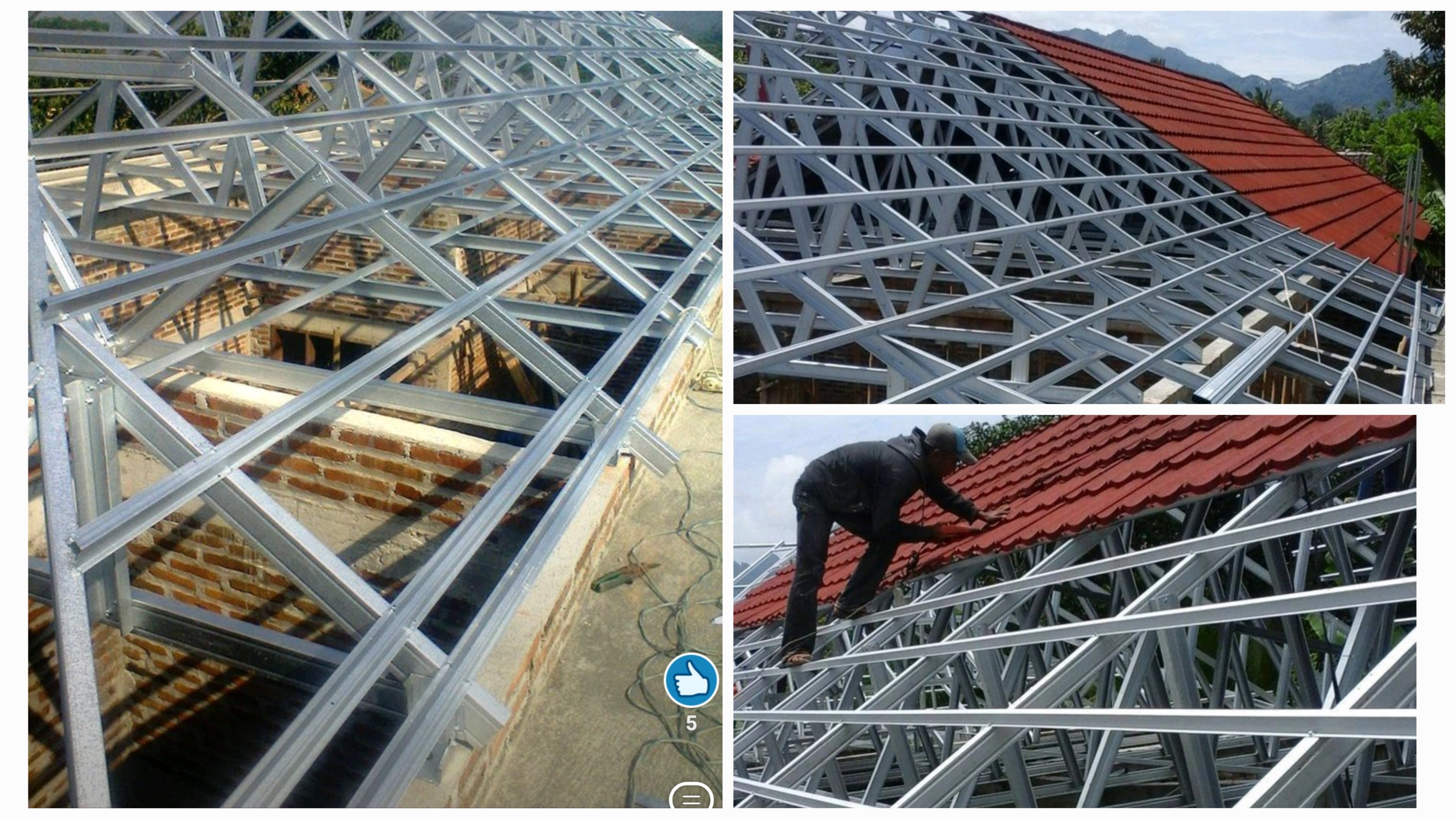

The Kenyan construction sector is witnessing a marked transition in roofing technology as engineers and contractors increasingly move away from traditional timber trusses. Professional consensus within the local civil engineering community suggests that the era of relying on wood for structural roofing is closing, primarily due to the volatility of the timber market and the inherent biological vulnerabilities of the material. Recent industry observations indicate that finding well-treated, high-quality timber in 2026 has become a logistical hurdle for developers, with supply chains stretched thin and prices remaining elevated despite recent shifts in national forestry policies.
Ligare Hemstone, a civil engineer and architectural designer, recently argued that the scarcity of reliable timber has turned it into a high-risk choice for modern projects. The argument against wood is not merely based on price, but on the persistent threat posed by pests. Termites treat traditional timber structures as an all-you-can-eat buffet, leading to long-term structural degradation that often requires expensive remediation. In a climate where moisture levels can fluctuate significantly, timber also remains prone to warping after initial rains, a factor that complicates the precision required for modern residential and commercial designs.
As a result, the industry is pivoting toward Light Gauge Steel, commonly known as LGS. Specifically, the Tactile range from T&C has gained traction as a preferred alternative for roofing trusses. This shift is driven by the technical properties of G550 high-grade steel, which is an inorganic material. Unlike wood, this grade of steel does not rot, split, or support the growth of mold. Furthermore, it is entirely termite-proof, providing a level of durability that allows roofs to potentially last for a century without the structural creep or sagging associated with organic materials.
From a structural engineering perspective, the adoption of G550 steel offers a high strength-to-weight ratio that timber cannot match. This allows for longer spans and more complex architectural profiles without the need for extensive internal support columns. While timber was historically favored for its lower initial cost, the total cost of ownership is being reassessed by developers. When factoring in the lack of maintenance requirements and the elimination of chemical termite treatments, LGS is increasingly viewed as a more economical long-term investment.
The environmental context also plays a role in this transition. Even with the lifting of certain logging bans intended to revitalize the timber industry and support affordable housing initiatives, the demand for high-quality, seasoned wood continues to outstrip the available supply of mature trees. This scarcity has created a market environment where light-gauge alternatives are no longer just a premium option but a practical necessity for maintaining project timelines.
Speed of construction is another decisive factor. LGS components are typically pre-engineered and delivered as ready-to-install kits, which can reduce the time required for truss installation by up to 50 percent compared to traditional on-site timber joinery. For contractors working under tight man-hour constraints, the precision of steel ensures that components fit perfectly without the need for repetitive adjustments often required when working with warped or inconsistently sized wood.
As the industry matures, the move toward inorganic, high-strength materials like the Tactile LGS range reflects a broader trend toward more resilient infrastructure in East Africa. For the next generation of Kenyan builders, the decision to break up with timber is less about tradition and more about ensuring that the structural integrity of a building is not left to the mercy of the elements or the local insect population.
Comments (0)
Leave a Comment
No comments yet. Be the first to share your thoughts!