
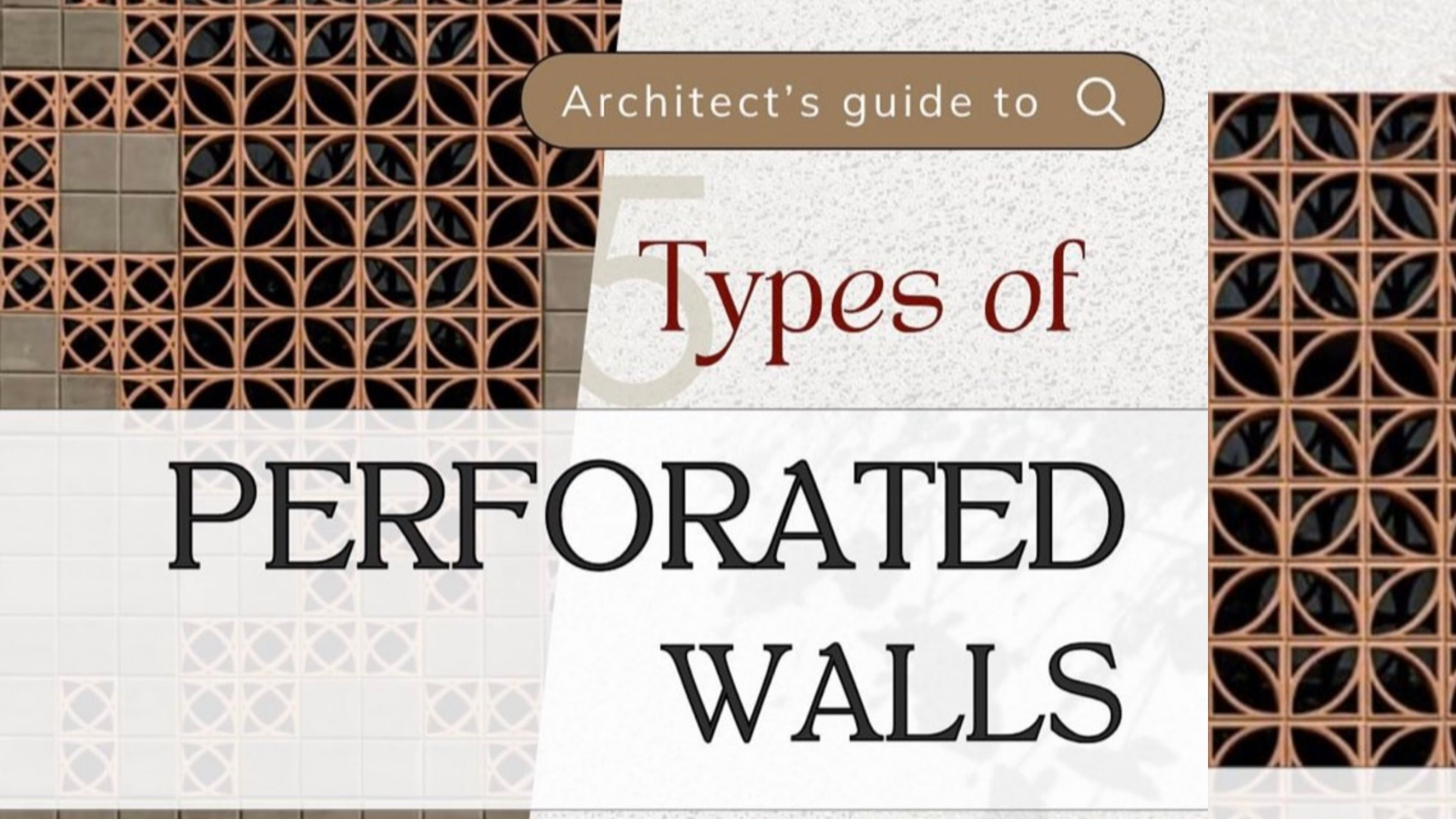

The concept of the perforated wall, as highlighted in a recent post by Ajisafeolumuyiwa on X, is a masterclass in architectural filtering. It transforms a static barrier into a dynamic skin that manages light, air, and privacy. Yet, the true character and performance of this screen are fundamentally determined by the material from which it is crafted. Different materials provide a unique blend of structural capacity, aesthetic warmth, and environmental resilience, categorizing the wall into distinct types.

Wood, for instance, offers a natural, biophilic aesthetic that is highly valued in residential and interior applications. Perforated wood panels, often made from composite boards or sustainably sourced timber, excel in acoustic performance. The softness of the material, sometimes backed with felt, helps absorb sound waves. The perforations themselves tend to be larger and more expressive than in metal, contributing to a warm, filtered light and a tactile appearance. However, wood demands regular maintenance, especially when used outdoors, to combat moisture and weathering.

In contrast, aluminum represents the pinnacle of modern, high-performance perforated walls. Lightweight, corrosion-resistant, and highly malleable, aluminum allows for extreme precision in cutting. This enables intricate artistic patterns and micro-perforations essential for sophisticated acoustic engineering. Aluminum is a top choice for exterior facades and large-scale commercial projects because it can be powder-coated in nearly any color and requires minimal maintenance. The material’s high strength-to-weight ratio allows for large, expansive panels that create a sleek, contemporary look.


Moving into masonry, brick and concrete offer permanence and exceptional thermal mass. Perforated brick walls, often called jaalis in traditional architecture, are constructed by strategically leaving out units or creating voids in the laying pattern. This approach delivers deep shadow lines and a robust, grounded aesthetic. Brick perforations are excellent for passive cooling, allowing air to circulate and reducing solar heat gain without compromising the structure's integrity. Similarly, perforated concrete panels are incredibly durable, fire-resistant, and offer a powerful, industrial look that champions brutalist or minimalist design principles.

Terracotta stands as a beautiful blend of the traditional and the modern. Perforated terracotta blocks or tiles, with their natural earthen tones, bring warmth and texture to a facade. This ceramic material is inherently excellent at thermal regulation, helping to keep interiors cool in hot climates by providing both shading and ventilation. Terracotta perforations often feature intricate, modular geometric patterns that create a rich, artisanal visual texture. This makes them popular for buildings seeking a sustainable, low-tech passive cooling solution with a distinctive, handcrafted feel.
The choice between these perforated wall types, be it the organic warmth of wood, the sleek precision of aluminum, the ancient strength of brick and concrete, or the earthen beauty of terracotta, is a deliberate design act. Each material carries its own legacy and functionality, allowing architects to select the perfect membrane to filter the world outside and curate the environment within. This material-driven approach confirms that the perforated wall remains one of architecture's most versatile and elemental tools.
Comments (0)
Leave a Comment
No comments yet. Be the first to share your thoughts!