
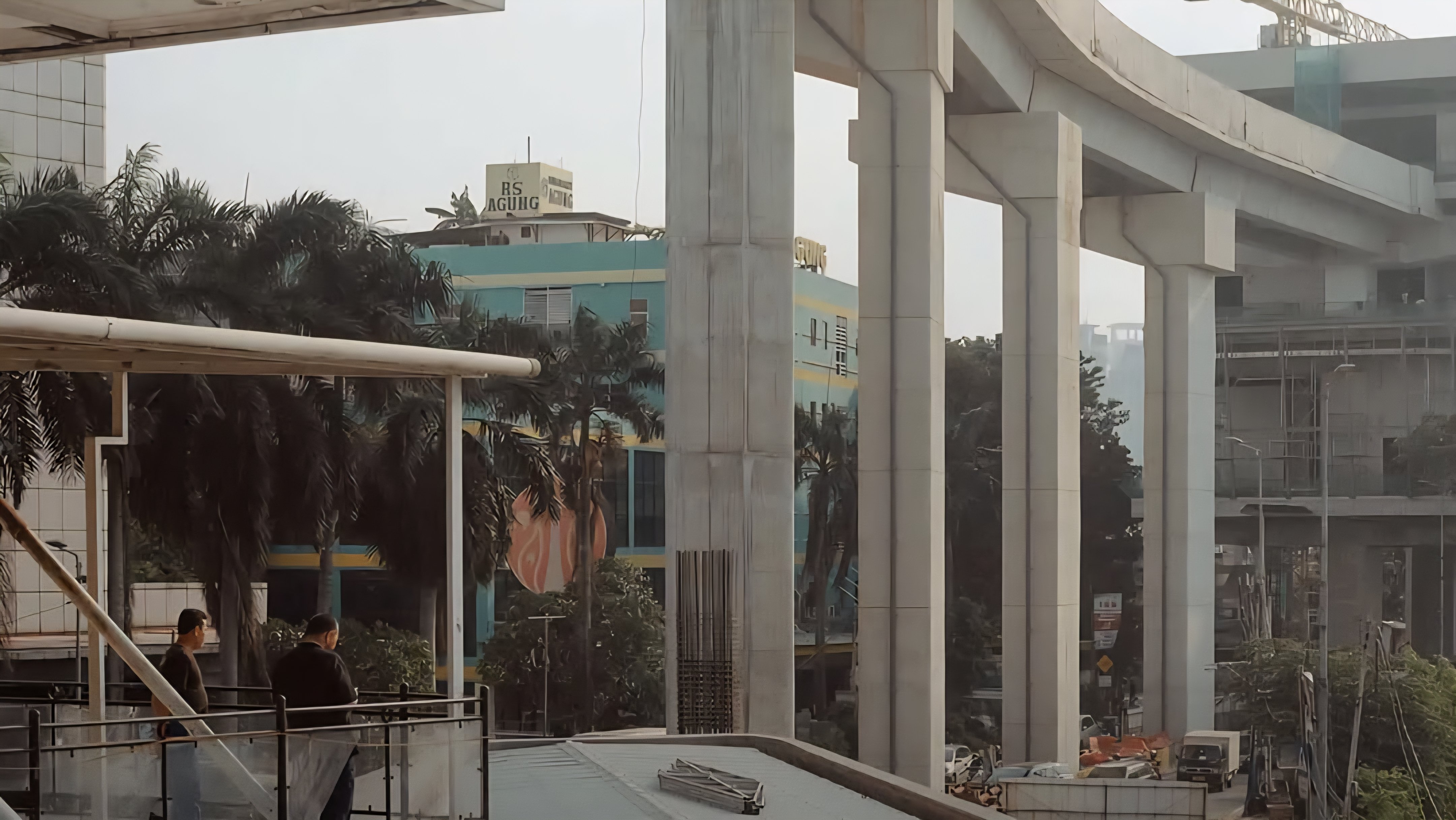

Concrete underpins half of all human-made matter on Earth, serving as a fundamental pillar for modern infrastructure developments.
Industry analysts project that the utilization of this material will double globally, driven partly by the need to construct coastal defenses and climate adaptation structures. This massive reliance highlights a stark paradox within the engineering sector.
However, the massive scale of production generates heavy environmental consequences. Manufacturing cement releases substantial volumes of carbon dioxide, accelerating global warming and pushing vulnerable coastal communities toward existential threats.
Engineers and researchers continually search for alternative binders, yet traditional mixes remain deeply entrenched in global supply chains.
Relief might arrive from an unexpected legal battle. Four individuals from a tiny, sinking Indonesian island decided to take direct action against a major multinational building materials supplier.
The plaintiffs argue that corporate emissions directly contribute to the rising sea levels threatening their ancestral homes.
These residents filed a lawsuit demanding mandatory emission cuts and financial compensation for climate damage. Their legal challenge targets the core of the global construction supply chain, setting a potential precedent for future climate litigation.
Observers across Europe and Asia are closely monitoring the court proceedings.
Experts note that while the construction sector requires structural strength and durability, it must confront its ecological footprint. The outcome of this landmark case could redefine corporate accountability across the entire building industry.
Stakeholders now face mounting pressure to innovate cleaner production methods before regulatory bodies intervene further.
Comments (0)
Leave a Comment
No comments yet. Be the first to share your thoughts!