


A growing debate within the regional engineering community has surfaced regarding the standard practice of using hollow concrete blocks for foundation walling in West Africa. While the method remains the primary choice for many residential contractors, technical observers are raising alarms about how these materials handle the dual pressures of weight and water.
Civil engineers familiar with the region note that the porous nature of these blocks presents a significant risk for moisture absorption. Without specialized treatment, the hollow cores can act as reservoirs for groundwater, which eventually weakens the mortar joints and leads to dampness rising through the superstructure, although this remains the default building style.
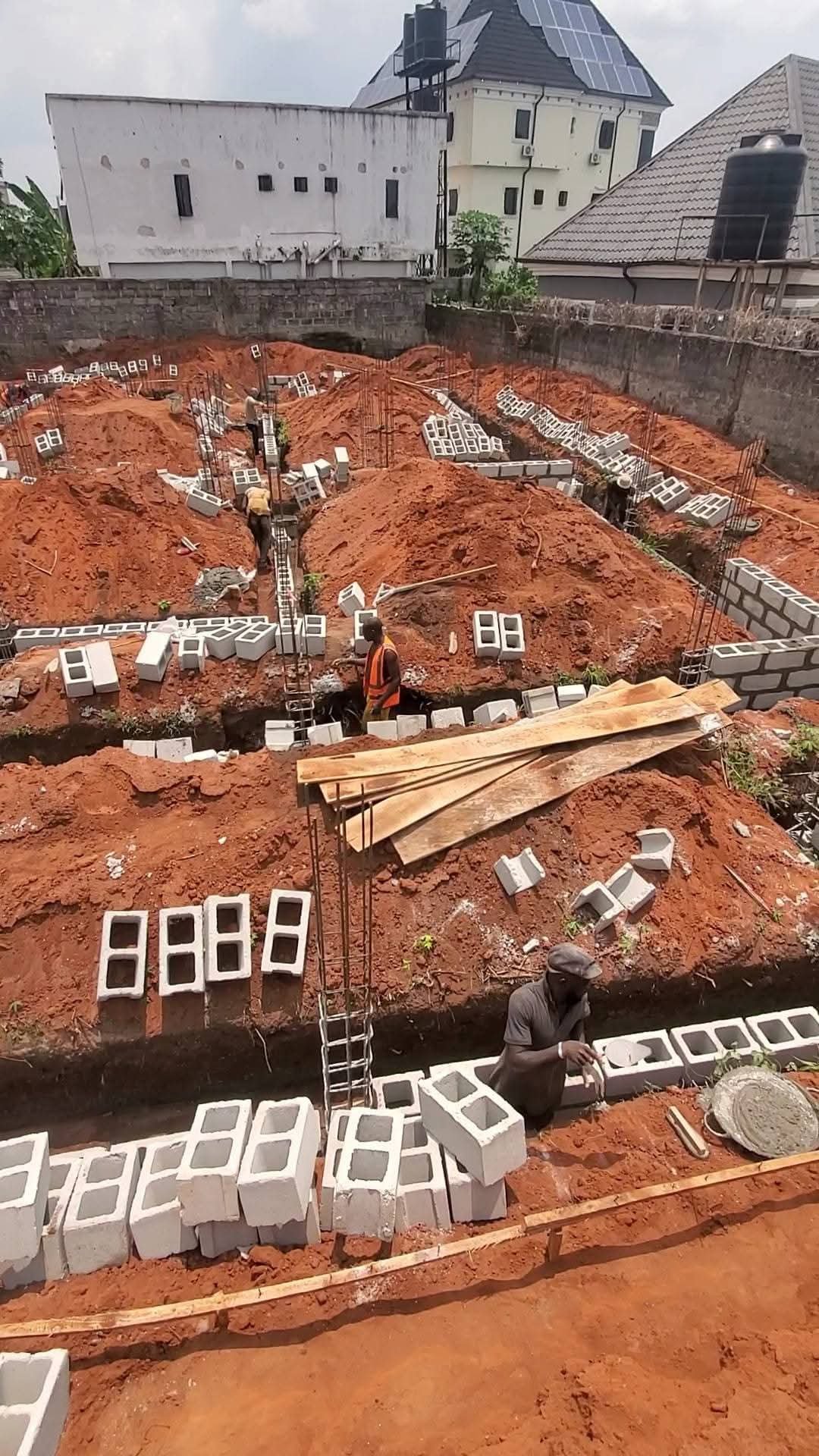
The compressive strength of these blocks is also under scrutiny. In many local markets, the quality of block production varies wildly, often failing to meet the rigorous standards required for subterranean load-bearing elements. This inconsistency poses a threat to the structural lifespan of buildings, particularly in areas with high water tables or shifting soil profiles.
Critics of the practice argue that solid blocks or reinforced concrete are safer alternatives for foundation work. However, the cost-effectiveness of hollow blocks continues to drive their popularity among developers looking to manage tight budgets. The disparity between affordable housing needs and engineering best practices remains a point of friction for the industry.
Management of moisture in these foundations typically relies on external plastering or rudimentary damp-proof courses. However, if the initial blockwork is substandard, these secondary measures often fail within a few years. The locals often face the consequences of these shortcuts through cracked walls and persistent mold issues in completed homes.
Field reports from active sites show that blocks are often laid directly into excavated trenches with minimal reinforcement between courses. While this speed of construction appeals to private developers, it bypasses the foundational stability that more robust materials provide. The reliance on manual mixing for the mortar used in these walls adds another layer of unpredictability to the finished product.
Industry bodies in countries like Nigeria and Ghana have previously attempted to regulate the strength of blocks sold in the market. Despite these efforts, informal production sites continue to supply a large portion of the residential sector. This lack of oversight means that the specific compressive strength of a foundation wall is often an unknown variable until a failure occurs.
As urban density increases across West African hubs, the pressure on these foundations will only grow. Engineers are now calling for a more transparent approach to material testing before any blocks are lowered into the ground. Whether the industry can move away from this entrenched habit depends largely on stricter enforcement of building codes and a shift in developer priorities.
Comments (0)
Leave a Comment
No comments yet. Be the first to share your thoughts!