
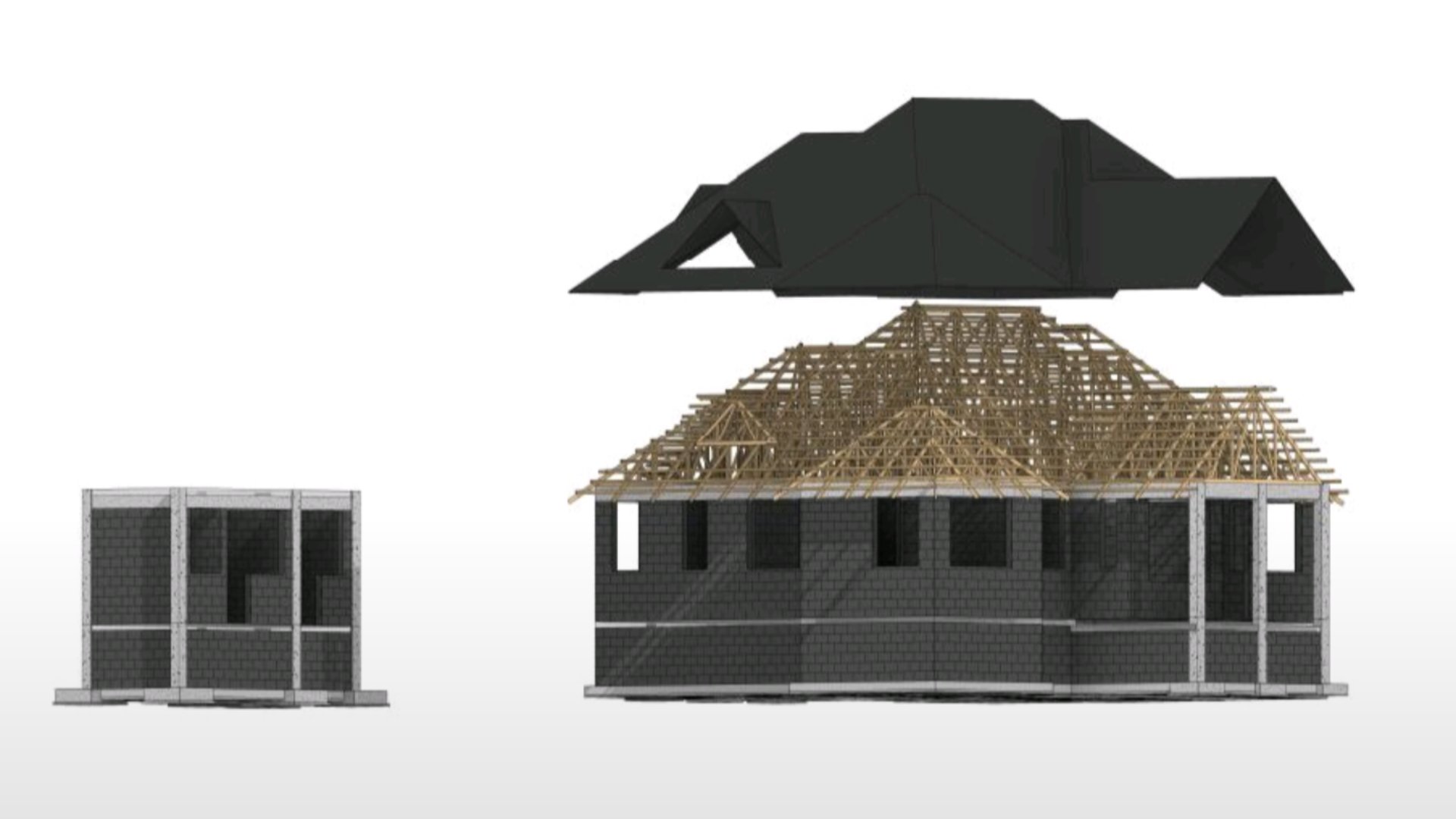

Structural engineering is an essential discipline where meticulous science meets compelling creative architecture. It is a highly specialized field demanding both profound technical knowledge and an absolute commitment to flawless execution. As highlighted by Heston Murimi, GE, GMIEK, in his recent professional discussion on LinkedIn, the timber truss stands as a powerful testament to this precise delicate balance. These intricate geometric configurations of wood are far more than simple elements supporting a building’s roof. They represent an exceptionally efficient force management system.
This system handles complex compression and tension forces, which guarantee the structure’s foundational and long-term stability. Timber trusses boast a truly impressive and enduring history in construction. They successfully supported the soaring vaulted ceilings of grand medieval churches, and they remain a core aesthetic and functional element in many cutting-edge contemporary buildings today. This sustained global relevance is significantly amplified by the current focus on genuinely sustainable building practices because wood is an inherently renewable and environmentally responsible material.
Designing a robust and completely reliable timber truss is a highly complex technical challenge. The structural engineer must meticulously account for a vast range of variables simultaneously. The initial and most critical task involves a comprehensive analysis of all loads the structure will likely bear throughout its long life. This essential study includes the static dead load, which is the permanent weight of the roofing materials and the truss members themselves. It must also fully incorporate the variable live load, which factors in unpredictable elements like heavy winter snow accumulation, high-speed wind pressure, and the access requirements for future maintenance.
Every single connection point within the complex truss geometry must be calculated with intense, unwavering accuracy. These individual joint locations are often considered the most critical points in the entire structural system. They function as the precise centers where concentrated force is efficiently transferred between the connecting members, and they must possess exceptional rigidity and strength. Any oversight or error in joint detailing can, unfortunately, lead directly to a structural failure, and this severe risk dictates that absolute dimensional precision is always a non-negotiable requirement in this engineering phase.

Correct material selection is another crucial engineering responsibility. Timber is scientifically classified as an anisotropic material, which means its inherent strength properties vary considerably depending on the specific orientation of the wood grain. It demonstrates outstanding strength when subjected to forces running parallel to the grain, but its inherent strength quickly reduces when stressed perpendicularly across the grain. Therefore, the selection of high-quality, structurally certified timber is completely essential.
The engineer must also accurately specify and guarantee a precise and consistent moisture content within the wood. Excess moisture can rapidly cause problems like warping, fungal attack, or serious structural rot, which severely compromise the truss's designed long-term performance. The unparalleled environmental benefit of using wood, which actively stores atmospheric carbon throughout its entire existence, is a major advantage in modern eco-conscious construction planning. This compelling ecological feature firmly establishes the timber truss as a highly favored and socially responsible choice for progressive architects and knowledgeable building clients.
The detailed engineering work transitions systematically from sophisticated computer models and detailed stress analysis reports to the practical, demanding reality of the construction site. This critical shift requires demonstrated engineering excellence in every practical execution and on-site assembly aspect. The fabrication of every individual truss component must align perfectly and exactly with the detailed shop drawings produced by the engineering team. Even minor discrepancies in member length or connection angle can significantly alter the intended internal load paths, which consequently reduces the calculated overall strength of the finished assembly.
Experienced site supervisors play an utterly vital role in ensuring the approved safe erection sequence is strictly followed during the installation process. Adequate temporary bracing is always mandatory throughout the assembly phase, which effectively prevents any unwanted lateral movement before all the permanent structural connections are fully secured and finalized. Observing a complex timber truss framework successfully raised and secured into its intended position is an immensely satisfying culmination of the entire project. It stands as a profound yet silent testament to the lasting value of meticulous planning, effective desig,n and seamless coordinated teamwork.

A fully installed timber truss is fundamentally more than a functional structural necessity. It instantly serves as a visually striking and commanding architectural feature. It immediately imparts a strong, desirable sense of rustic warmth, inherent character, and lasting elegance to the finished interior space. The remarkable durability and longevity of historical timber buildings worldwide irrefutably validate the inherent quality of this natural material and its classical geometric design principles. Modern technological advancements and powerful software have simply enhanced the structural engineer's capability to safely optimize and maximize the performance limits of this ancient and valuable resource.
Every completed truss project powerfully reinforces the indispensable role played by the structural engineer. They are the highly trained professionals who ultimately ensure our physical structures are fundamentally safe and sound. They are the ones who responsibly translate bold architectural concepts into durable and tangible reality. Their precise, meticulous work with timber trusses is a quiet yet profound demonstration of genuine professional dedication. It beautifully illustrates the careful, thoughtful application of mathematical and physical principles, which results in a breathtaking, entirely dependable overhead framework. This meticulously planned framework is fundamentally designed to perform its essential purpose reliably and beautifully for many generations to come.
Comments (0)
Leave a Comment
No comments yet. Be the first to share your thoughts!