
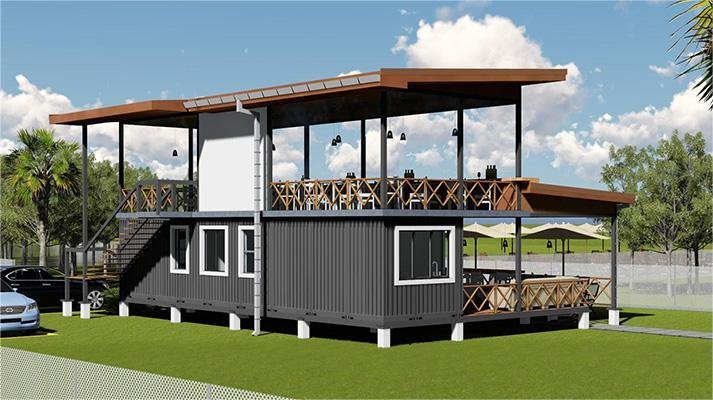

Standard ISO shipping containers come in 20-foot or 40-foot sizes, designed to endure stacking on cargo ships, severe weather, and constant transport. This built-in toughness makes them reliable for construction purposes on land.
Firms turn to them for clear advantages. Their corten steel build offers strong protection from theft, vandalism, and environmental wear, outperforming many standard alternatives. Projects can wrap up in days or weeks, far quicker than traditional site construction. Using inspected used containers often slashes costs by 30 to 70 percent, thanks to lower material and labor needs. The modular design lets businesses expand by adding units, reconfigure setups, or move structures entirely. Repurposing reduces landfill waste and cuts back on new steel production.

These qualities fit sectors such as construction, retail, logistics, hospitality, and farming, including temporary setups for events. In Kenya, where urban growth demands flexible spaces, companies such as Almar Containers and Container Works Africa have converted units into stalls and offices, aligning with infrastructure pushes in cities like Nairobi and Mombasa.
Popular Commercial Applications of Shipping Containers
Businesses modify containers in straightforward ways. Portable offices serve construction sites, remote operations, and small firms, avoiding long leases. A 20-foot or 40-foot unit gets fitted with insulation, windows, air conditioning, an electrical system, and sometimes a restroom. Joined or stacked containers form larger offices with meeting rooms, private areas, and open desks.
In Kenya, such setups appear on highway projects or in industrial zones. For instance, firms handling road works along the Nairobi Expressway have used container offices for site management, drawing on local suppliers like Premium Containers Kenya.
Pop-up shops appeal to retailers for their portability. Containers become storefronts for markets, festivals, launches, or location tests. Modifications include glass facades, vinyl branding, interior lighting, and shelving, allowing easy shifts to busy areas.
Kenyan examples include roadside stalls in Nairobi's outskirts, where entrepreneurs set up container shops for electronics or clothing. Larger assemblies, like those with multiple 40-foot units, create mini-malls housing several vendors, as seen in developments near Thika Road.
Temporary or permanent storage uses containers for secure, scalable space. They store inventory, tools, or vehicles in weatherproof, lockable units. High-cube models provide extra vertical room for oversized items, and grouped containers form warehouses often without full foundations.
In logistics hubs like Mombasa Port, Kenyan operators use them for overflow storage, supporting trade with East African neighbors.
Food outlets and event spaces adapt containers for cafes, bars, or small eateries. They accommodate plumbing, power, and exhaust for kitchens, with the raw steel look suiting modern or outdoor spots.
Local conversions include coffee kiosks in Nairobi parks or food stalls at events, built by firms like ISM Containers.
Other adaptations cover co-working areas, remote clinics, fitness centers, product showrooms, and data facilities, depending on zoning.

Raw Containers vs. Fully Custom Builds: What Businesses Should Know
Basic projects start with raw or gently used 20-foot or 40-foot containers, either standard or high-cube, for storage or simple tweaks. These are readily sourced, checked for soundness, and set for quick use or basic alterations.
For elaborate commercial needs, like themed offices or multi-unit retail, specialists oversee the process. They source certified containers, perform cuts for doors and windows, add insulation, exterior finishes, utility lines, and ensure code adherence. This delivers sturdy, efficient spaces matched to business requirements, available in Kenya through providers serving Africa and beyond.
In Nairobi, full builds by experts like Frontier Containers include features for energy savings, such as solar panels, common in off-grid sites.
Real-World Examples That Inspire
Worldwide, container projects showcase versatility. Urban markets line up units for seasonal retail or food vendors, forming lively temporary zones. Construction outfits place container offices on isolated sites with break rooms. Stacked clusters create cafes blending indoor and outdoor areas. Big complexes merge many containers into shared workspaces or venues with updated exteriors and eco elements like planted roofs.
In Africa, South Africa's township centers use containers for shops, services, and eateries. Ghana features similar office or home conversions. Kenya follows with malls and stalls boosting small-scale commerce, such as those in Kisumu or Eldoret, where low-cost buildings support entrepreneurs.

Things to Consider Before Starting a Container Project
Planning avoids pitfalls. Local rules on zoning, permits, and environment require early checks, especially in Kenyan counties with varying bylaws. Sites demand flat terrain, crane path,s and hookups for water or power. Steel's heat transfer calls for insulation to maintain comfort in tropical or variable weather. Selecting solid containers and expert modifications prevents corrosion. Costs stay low for basics but increase with custom work, though still under traditional builds.
Kenyan providers guide through these, from initial surveys to final setup.
Ready to Explore Container Solutions for Your Business?
Containers reshape commercial construction with their resilience, rapid assembly, value, and flexibility. They suit firms expanding without heavy commitments.
In Kenya, options range from raw storage units to complete builds for offices, shops, or custom needs. Local experts offer consultations to match projects with timelines and budgets, drawing on experience in East Africa's growing markets.
If you are ready or you are exploring a potential project, reach out to us anytime at 0701951682 or info@mjengohub.co.ke for guidance and professional work.
Stay blessed!
Comments (0)
Leave a Comment
No comments yet. Be the first to share your thoughts!