
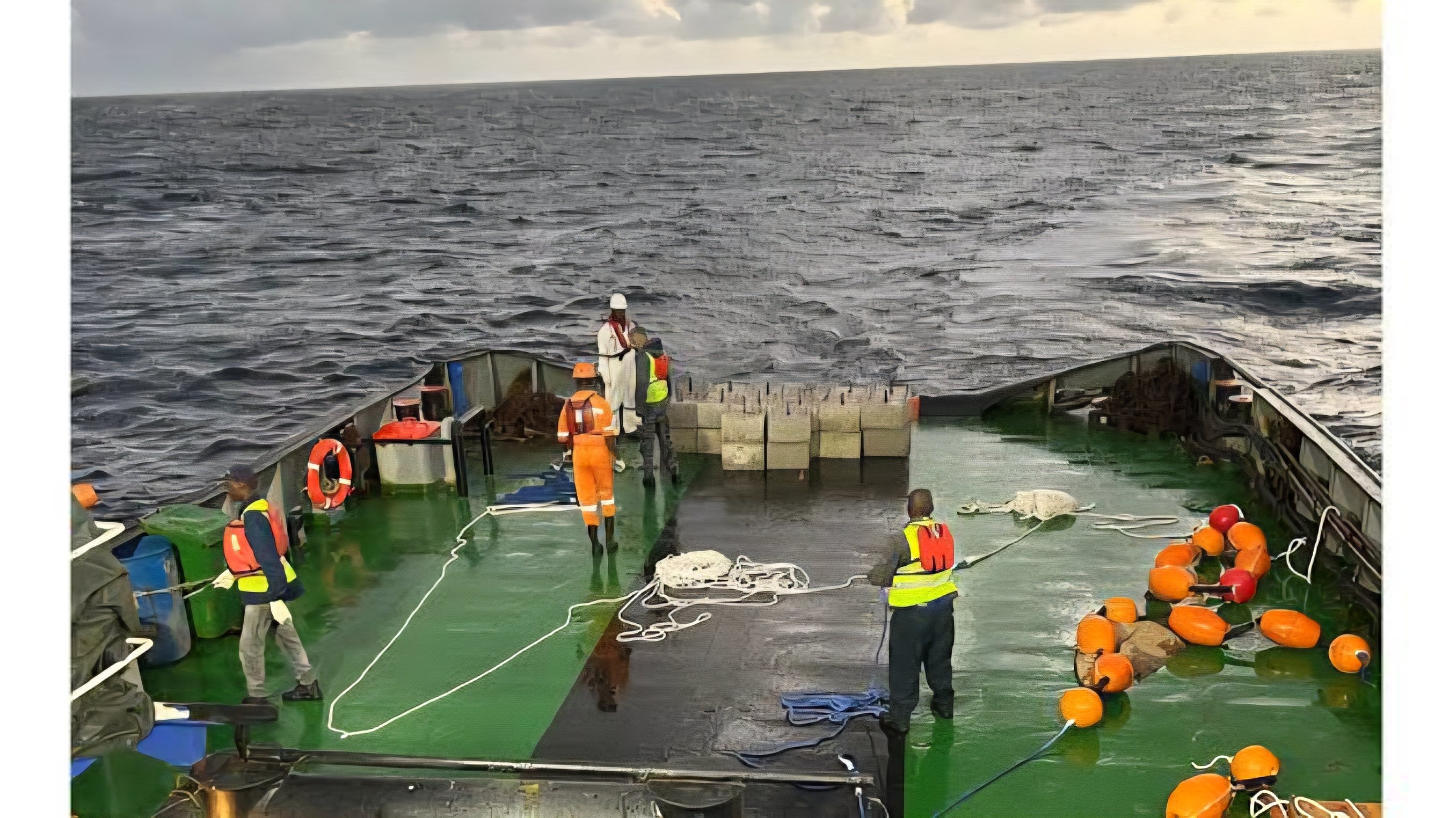

Small-scale fishing operations along the Kenyan coast are undergoing a technical overhaul as modern equipment and marine infrastructure replace traditional, instinct-based methods. In Lamu County, the introduction of smart fishing technology is addressing long-standing inefficiencies that have historically limited the productivity of local beach management units.
The initiative centers on the deployment of anchored Fish Aggregating Devices, known as aFADs. These submerged structures function as man-made ecosystems, designed to attract various pelagic fish species to specific, reachable locations. By consolidating fish populations, the devices eliminate the need for fishers to spend hours searching open waters blindly.
Beyond the underwater infrastructure, the technical package includes handheld GPS navigation devices. These tools allow crews to pinpoint the exact coordinates of the aFADs, reducing fuel consumption and operational costs. The shift toward data-backed navigation is a significant departure from the landmark-based methods used by previous generations.
Safety remains a critical component of this coastal upgrade. For many artisanal fishers, venturing into deeper waters has traditionally been a high-risk endeavor. The provision of life jackets, safety rings, and reliable outboard engines ensures that boats can navigate the unpredictable Indian Ocean currents with a higher degree of security.
Addressing the challenge of spoilage, the project has introduced solar-powered freezers and specialized cooler boxes. In a region where high temperatures can quickly ruin a day's catch, these post-harvest tools are essential for maintaining the cold chain. This ensures that the fish reach markets in a condition that commands better prices.
Project specialist Ungadi Susan noted that this equipment assists fishers in safely accessing deeper waters. By encouraging fishing further offshore, the initiative helps reduce the pressure on nearshore mangroves and coral reefs, which are often over-exploited and environmentally degraded.
The intervention is a collaborative effort involving the Food and Agriculture Organization of the United Nations and the South West Indian Ocean project. It is being implemented in both Lamu and Kwale counties, focusing on sustainable mariculture, including mud crab farming and prawn fisheries.
Local fishers, including members of the Matondoni Beach Management Unit, have indicated that the new tools will directly impact household incomes. With more precise tracking and better preservation, the artisanal sector is better equipped to contribute to the national blue economy.
The modernization of these landing sites represents a broader move to professionalize the sector. By integrating GPS technology and specialized hardware, the coastal fishing industry is aligning itself with international standards of sustainable resource management and maritime safety.
Comments (0)
Leave a Comment
No comments yet. Be the first to share your thoughts!