
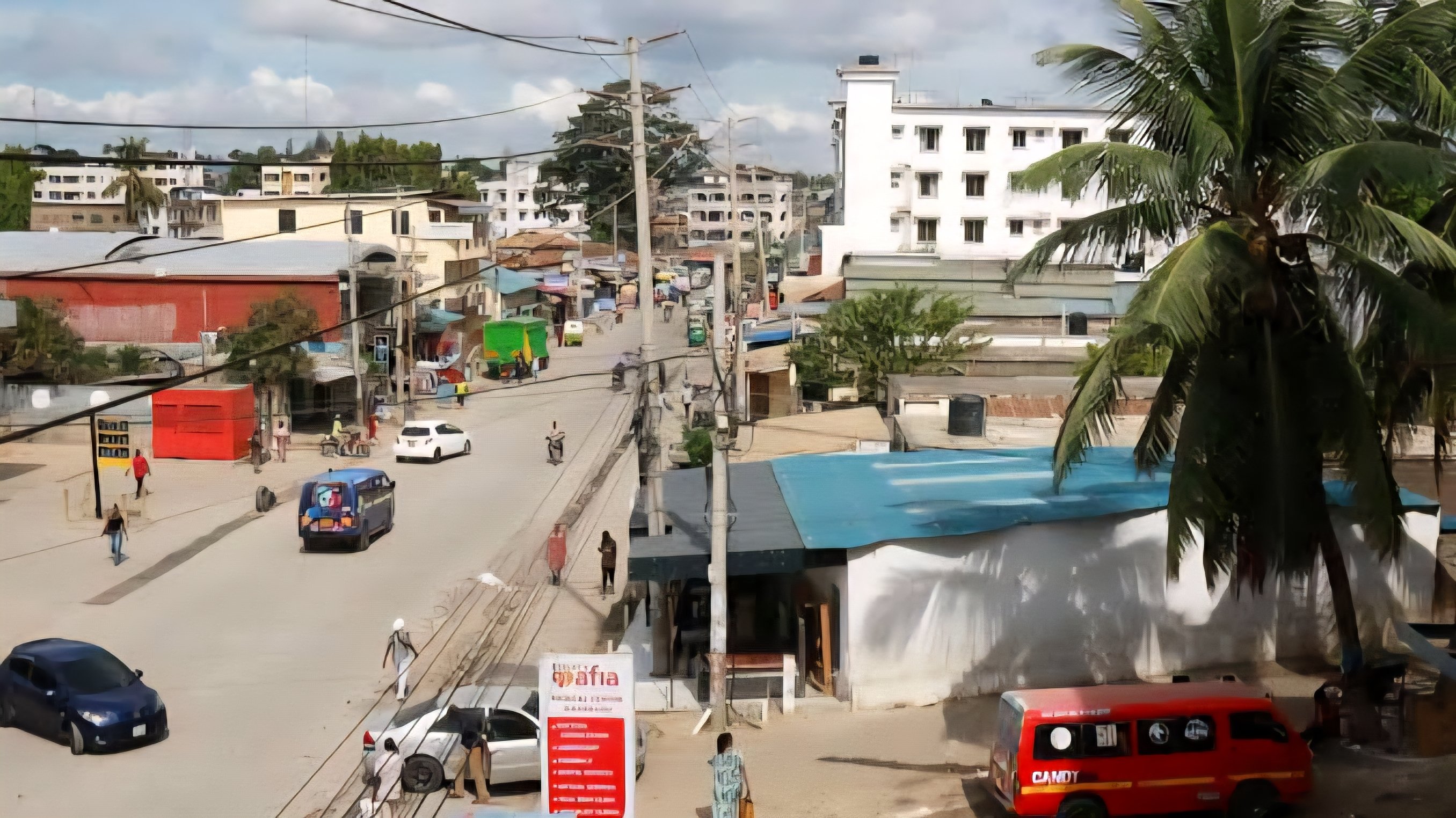

Bamburi has undergone a radical transformation from its historical origins as a swampy, bushy outskirt of Mombasa to emerge as one of the region’s most significant economic centers.
The area, once considered a neglected periphery of the coastal city, is now a bustling 24-hour hub characterized by intensive commercial activity and rapid residential expansion.
This evolution was largely catalyzed by the development of the Mombasa-Nairobi Highway, which encouraged urbanization and facilitated the movement of labor and materials into the northern mainland.
Rural-urban migration played a central role in this shift, as the demand for affordable housing saw developers move away from the saturated Mombasa Island toward the available land in Bamburi.
Industrial foundations also provided a necessary anchor for the local economy. The establishment of Bamburi Cement in 1951 turned the locality into a focal point for manufacturing, creating jobs and attracting a secondary service industry.
The growth of the cement plant and related industries necessitated improved road networks, which in turn opened up the interior for residential estates and social amenities.
The transition from a rural outpost to a modern urban center has not been without significant logistical pressure on existing infrastructure.
The rapid pace of construction has outstripped some essential services, leading to modern-day challenges such as seasonal flooding and persistent traffic congestion on major access roads.
Mombasa County authorities have responded with several targeted initiatives aimed at sustaining the area's growth and supporting its burgeoning nighttime economy.
Recent investments have focused on enhanced street lighting and improved drainage systems to mitigate the impact of heavy rains on local businesses.
President Ruto has also emphasized the national government’s commitment to further infrastructure expansion in the region, including the proposed multi-trillion-shilling upgrade of the Mombasa-Nairobi corridor.
These future projects are expected to alleviate current bottlenecks, ensuring that Bamburi remains a competitive destination for investors and residents alike.
Today, the landscape is defined by a mix of high-rise apartments, shopping malls, and industrial zones, marking a complete departure from its former swampy state.
The evolution of Bamburi serves as a case study for how industrial investment and strategic road placement can turn neglected land into a primary driver of regional wealth.
Comments (0)
Leave a Comment
No comments yet. Be the first to share your thoughts!