
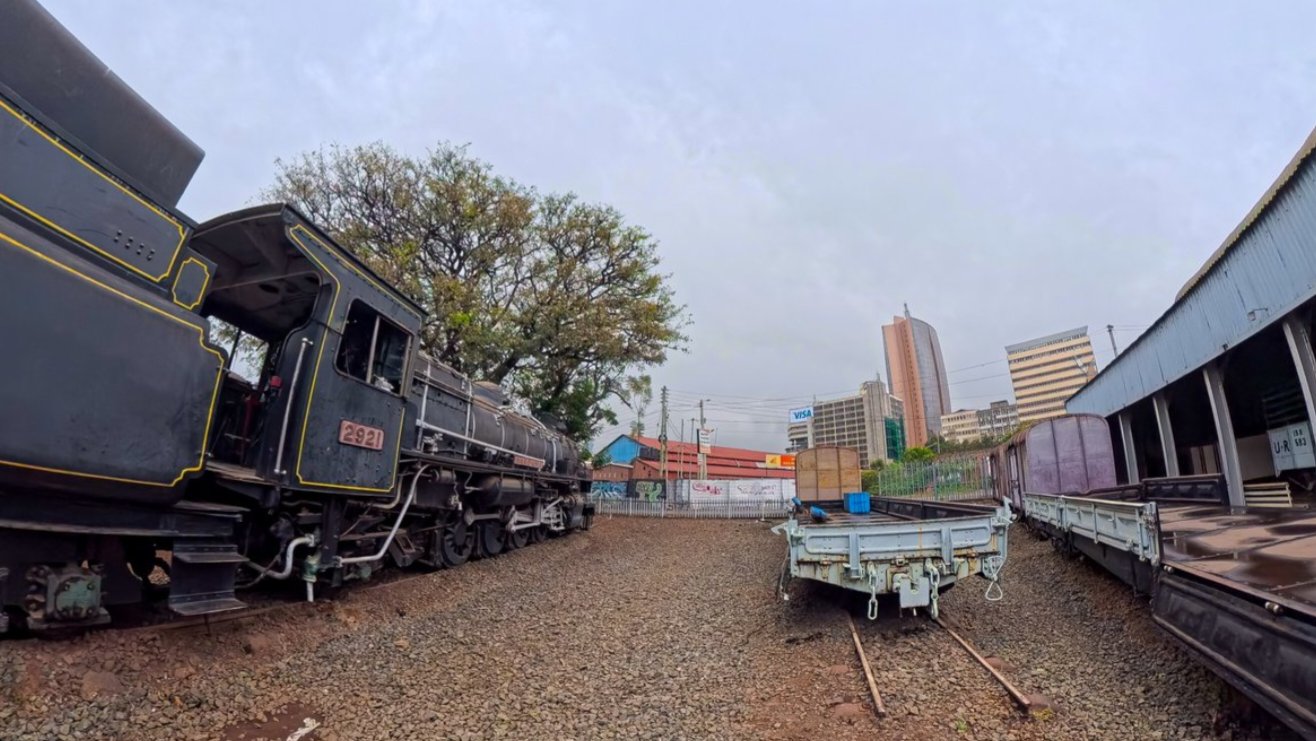

Kenya Railways Corporation (KRC) has issued a public call encouraging visitors to tour the Nairobi Railway Museum to explore the historical infrastructure that laid the groundwork for the country's modern transport network. The announcement highlights the site's role as a primary repository of early rail engineering artifacts.
Located near the city center, the museum preserves vintage locomotives, rolling stock, and early administrative machinery dating back to the construction of the Uganda Railway. The collection showcases the engineering efforts that initially connected the Port of Mombasa to the East African interior.
Among the key outdoor exhibits are historic steam engines, such as the 59 class Garratt locomotives, alongside vintage carriages used during the late nineteenth and twentieth centuries. The indoor galleries display original signaling equipment, hand-drawn route surveys, structural blueprints, and historic operational photographs.
The national rail operator emphasized that the site provides an educational perspective on how early civil engineering works shaped regional trade and urban development. Urban centers along the line, including Nairobi itself, originally grew around early railway depots and administrative stops established by pioneer engineers.
The public outreach comes as the country continues to expand its rail assets, balancing modern standard gauge operations with the maintenance of meter gauge lines and historical infrastructure. Highlighting heritage assets remains central to preserving the history of East African logistics.
The venue remains open for guided educational tours, historical research, and general visits, providing an in-depth view of the physical equipment and infrastructure that defined early transport across the region.
In addition to industrial artifacts, the grounds feature preserved maintenance machinery and line-laying tools utilized during early track construction. These items illustrate the labor-intensive engineering techniques employed long before the introduction of modern heavy earthmoving machinery and mechanized track-layer systems.
Visitors can access the museum daily, where curator-led tours detail the progression of rail technology from coal-fired steam engines to modern diesel-electric locomotives. The facility continues to serve as an active educational center for engineering students and history enthusiasts.
Preserving these physical engineering assets ensures that the foundational history of regional transport networks remains accessible to future generations. The venue continues to maintain its collection as both a cultural museum and a record of historical civil infrastructure.
Comments (0)
Leave a Comment
No comments yet. Be the first to share your thoughts!