
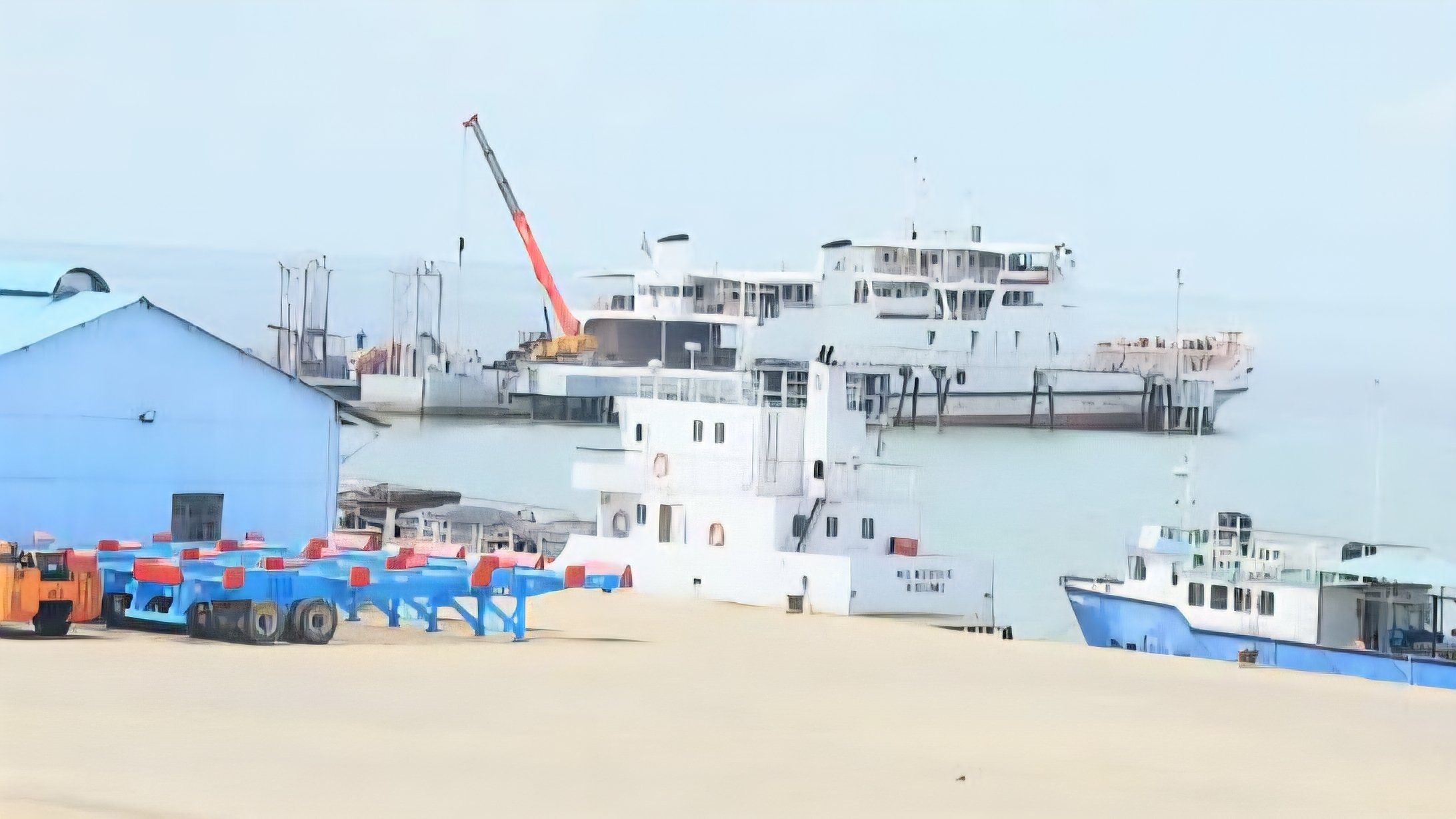

The National Treasury has earmarked Sh350 million for the dredging of Kisumu Port, a move aimed at enhancing the facility’s capacity to handle larger vessels. This funding, contained in the recent mini-budget, addresses the growing logistical bottlenecks at the lakeside terminal, which has seen a surge in cargo traffic over the past year.
Current water levels and siltation have limited the draft at certain piers, preventing deep-sea-capable vessels from docking. By deepening the approach channels and the berthing area, the government expects to double the port's throughput, positioning it as a primary hub for the East African Community's inland water transport system.
The project follows a period of renewed activity at the port, which had remained largely dormant for decades before a multi-billion shilling rehabilitation began in 2019. Since then, the facility has become a critical link for transporting fuel, cereals, and manufactured goods to Uganda, Tanzania, and the Democratic Republic of Congo.
Operational data indicates that the demand for lake-based transport is outstripping current infrastructure capabilities. The introduction of the MV Uhuru II, a locally assembled wagon ferry, has further increased the need for deeper waters to ensure safe navigation when the vessel is fully loaded with petroleum products or dry cargo.
Logistics experts note that the dredging will reduce the cost of doing business by allowing for economies of scale. Larger ships mean lower freight costs per unit, which is vital for the competitiveness of Kenyan exports in the regional market. The Sh350 million allocation is expected to cover the first phase of the desilting process.
Environmental considerations remain a priority for the Kenya Ports Authority, which oversees the facility. The dredging process involves the removal of mud, weeds, and accumulated debris that have narrowed the port's entry points. This maintenance is essential for the long-term sustainability of the maritime corridor between Kisumu and Port Bell.
The surge in trade has also prompted private sector interest in the region, with new warehouses and processing plants appearing near the port. Local leadership has welcomed the funding, noting that the blue economy remains a pillar for job creation in Western Kenya.
While the dredging is a technical necessity, it also carries strategic weight. Kenya is competing with alternative routes in the Central Corridor, and maintaining a modern, efficient port at Kisumu ensures that the Northern Corridor remains the preferred path for regional transit.
Work is expected to commence shortly after the budget's final approval, with the Kenya Navy and various state agencies likely to play a role in the technical execution of the desilting. This coordinated effort reflects the government's broader strategy to integrate rail and water transport for a seamless supply chain.
Comments (0)
Leave a Comment
No comments yet. Be the first to share your thoughts!