
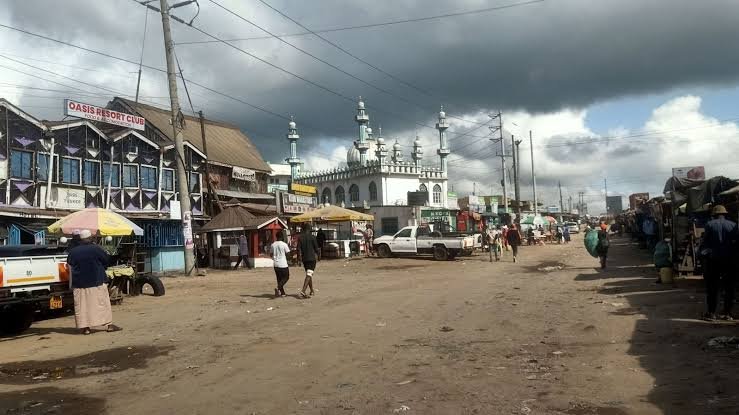

The town of Kyumbi, situated at the busy intersection of the Nairobi-Mombasa highway and the road leading to Machakos, is currently experiencing the harsh side effects of rapid urbanisation. What was once a small transit stop has transformed into a bustling hub, but the local infrastructure is failing to keep pace with this sudden expansion.
Residents and business owners express growing frustration over the state of the town. A boda boda rider operating in the area noted that it often feels as though the town belongs to the heavy trucks rather than the people who live and work there. This sentiment is echoed by many who find their daily movements restricted by the sheer volume of long-distance haulage vehicles.
The influx of trucks is largely due to Kyumbi's location as a primary transit point for goods moving from the Port of Mombasa to the interior. However, the lack of designated, well-managed parking facilities means these vehicles often spill onto the roadsides. This creates a chaotic environment where pedestrians, motorcyclists, and small car owners must navigate around massive stationary rigs.
Drainage remains another critical concern for the growing population. During rainy seasons, the unpaved sections of the town turn into muddy pools, further complicating movement for traders and customers alike. The existing drainage systems, where they exist, are often blocked by waste or were never designed to handle the current density of the built-up environment.
Property developers have been quick to move into Kyumbi, attracted by the high demand for housing and commercial spaces. New structures are rising rapidly, yet many of these projects appear to be moving forward without a cohesive master plan. This leads to a situation where buildings are erected before the necessary water, sewerage, and road networks are fully established.
Public safety is also a major talking point among the community. The mix of high-speed transit traffic and local activity at the junction has led to numerous accidents over the years. Residents have frequently called for better traffic management measures, including more visible signage and dedicated lanes for local traffic, to separate them from the heavy transit flow.
Business leaders in the area acknowledge that the "boom" has brought economic opportunities, but they warn that the lack of order could drive away future investment. If the town continues to grow in this haphazard manner, the costs of fixing the infrastructure later will be significantly higher than if planned interventions were made now.
The situation in Kyumbi serves as a case study for many emerging towns along Kenya's major transport corridors. While the proximity to a major highway provides a clear economic lifeline, the absence of strict zoning and infrastructure investment by both the county and national governments often leads to urban decay before the town has even reached its full potential.
For now, the people of Kyumbi continue to wait for a solution that balances the needs of the transport industry with the safety and comfort of the residents. Without a clear intervention, the town risks being defined more by its traffic jams than by its economic promise.