
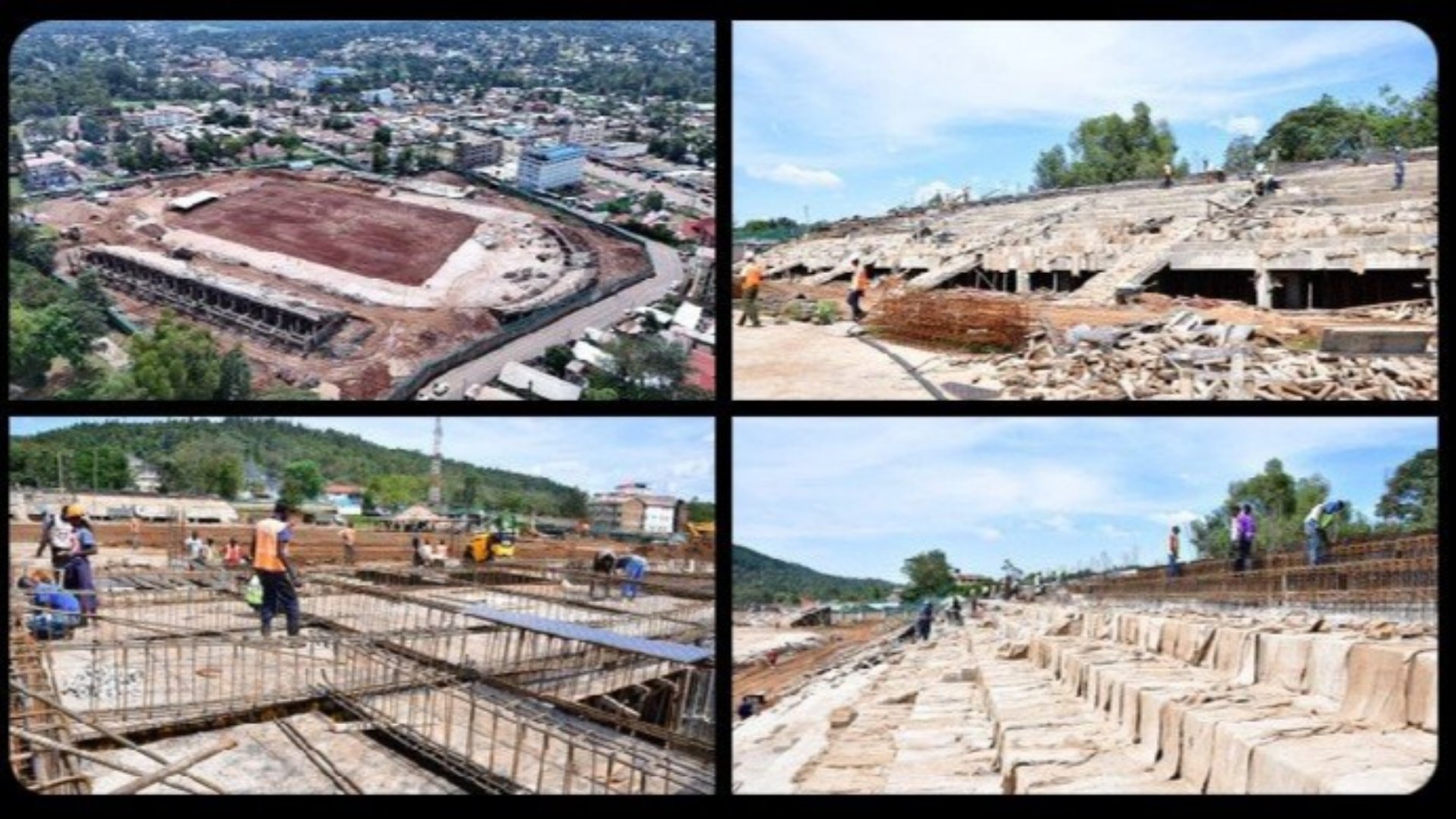

H.E. President William Ruto is reshaping the future of sports in the Nyanza Region, ending years of neglect that left talented athletes training in inadequate and outdated facilities.
For decades, the region’s immense sporting potential struggled against the limitations of poor infrastructure, but the President’s renewed commitment to modern sports development is now bringing long-awaited change and opportunity.
A major symbol of this transformation is the construction of the Migori Stadium, a project that officially began in July 2025. Designed as a 10,000-seater arena, the stadium aligns with other mid-sized sports facilities in Kenya, such as Narok Stadium and Unoa Stadium in Makueni, both known for hosting high-level regional competitions and boosting local talent.
In comparison to the country’s major national venues, the Migori Stadium sits just below the scale of Kasarani Stadium (60,000+ capacity) and Nyayo Stadium (30,000+).
The stadium offers significantly improved standards over smaller grounds like Moi Stadium in Kisumu, which accommodates fewer than 5,000 spectators. This positions Migori as a strong mid-tier facility capable of hosting both national tournaments and major community events.
Construction progress has been steady and visible. The northern, eastern and VIP wing structures are already rising, terraces are being shaped for the 10,000-seat layout, and red soil is being spread on the football pitch ahead of turf installation.
The development follows a similar phased approach used in modernized arenas such as Kirigiti Stadium and Wote Stadium, where stands and pitch works were prioritized in the early stages.
Beyond its physical growth, the stadium project is stimulating the local economy and uplifting the community. More than 207 locals, mainly youth and women, have secured employment at the site, earning income and gaining valuable construction skills that will remain useful long after the project is complete.
When fully complete, Migori Stadium will host a standard football pitch, a running track and a modern VIP pavilion, transforming it into one of the most significant sporting hubs in the Nyanza Region.
More than a structure, it represents renewed hope, fresh opportunity and a solid foundation for nurturing the next generation of Kenyan athletes.
Comments (0)
Leave a Comment
No comments yet. Be the first to share your thoughts!