
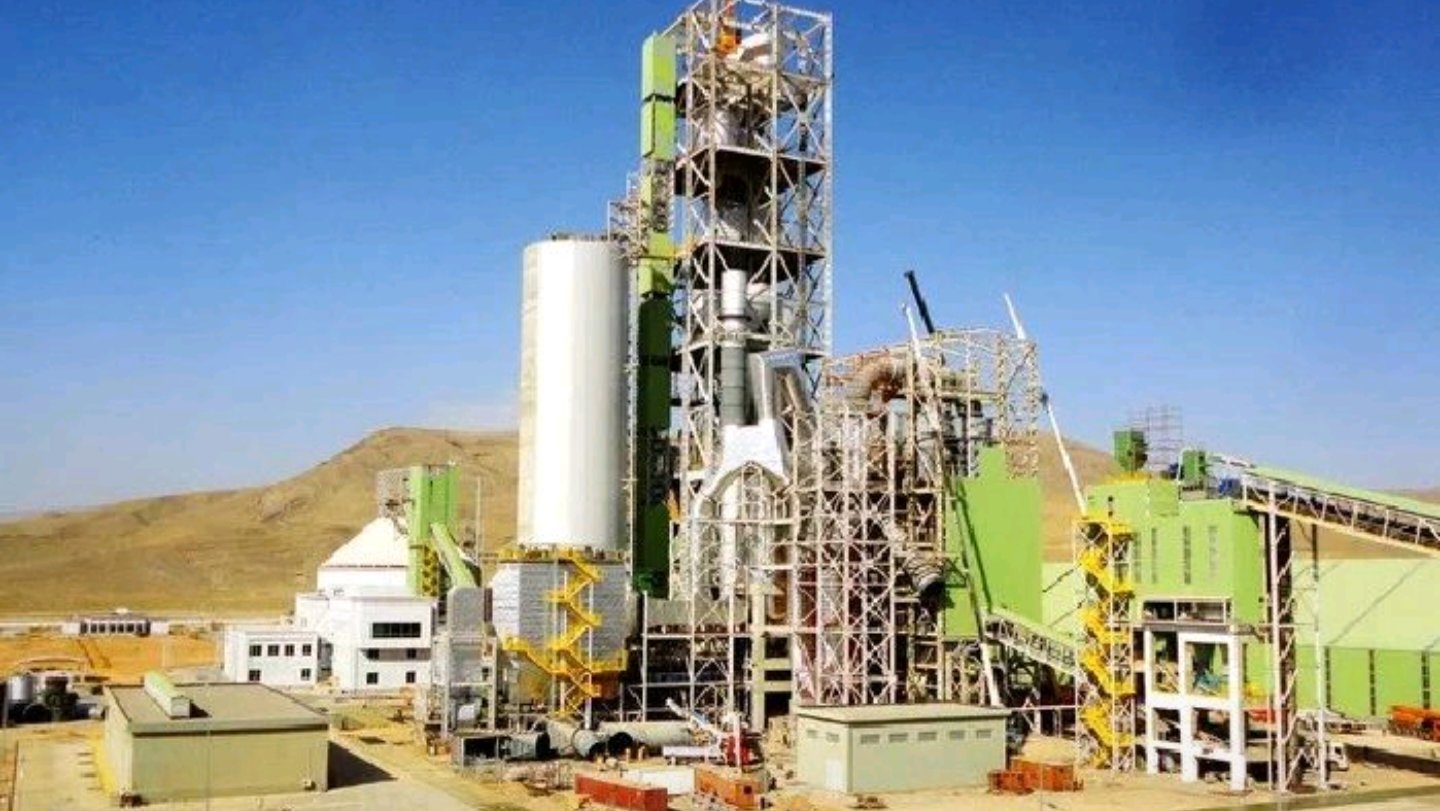

A proposed industrial venture by Ndovu Rocks Limited in Nyeri County faces uncertain prospects following strong opposition from local communities in Kieni Constituency.
Residents in the Karichen and Lusoi areas have voiced firm rejection of the planned cement manufacturing plant, citing environmental degradation and social disruption.
The controversy highlights growing friction between capital investment strategies and community expectations regarding corporate social responsibility.
While developers often use corporate social responsibility (CSR) offers to secure local approval, host communities increasingly prioritize long-term environmental protection over temporary social amenities.
In submissions concerning the Environmental and Social Impact Assessment (ESIA), residents raised alarm over pervasive dust emissions, excessive operational noise, and heavy truck traffic expected to damage local road infrastructure.
Agricultural producers fear industrial dust will settle on surrounding farmland, compromising crop yields and destroying livelihoods in the predominantly rural economy.
The National Environment Management Authority (NEMA) is evaluating community feedback and statutory assessment reports to determine whether to issue an Environmental Impact Assessment (EIA) license.
Under Kenyan law, public participation is a prerequisite for major industrial developments, giving local communities considerable legal leverage to challenge unwanted projects.
The project developer proposed several mitigation protocols and community support initiatives to address local concerns. However, residents maintain that transactional social gifts cannot substitute for air quality, public health, and peaceful living conditions.
Industrial developments across Kenya frequently encounter similar hurdles when early community consultation is treated as a routine legal formality rather than genuine engagement.
Analysts note that relying on post-hoc corporate gifts after project plans are finalized rarely assuages deep-seated community anxieties.
The stalemate in Kieni serves as a cautionary tale for industrial investors, infrastructure developers, and construction material suppliers operating in regional growth zones.
Financial backers must realign risk management frameworks to incorporate social license considerations alongside engineering and capital requirements.
If regulatory approval is withheld or delayed, the developer risks substantial financial losses from capital already committed to site preparation and feasibility studies.
Meanwhile, local residents remain firm, demanding that industrial expansions prioritize environmental sustainability over rapid industrial growth.
Comments (0)
Leave a Comment
No comments yet. Be the first to share your thoughts!