
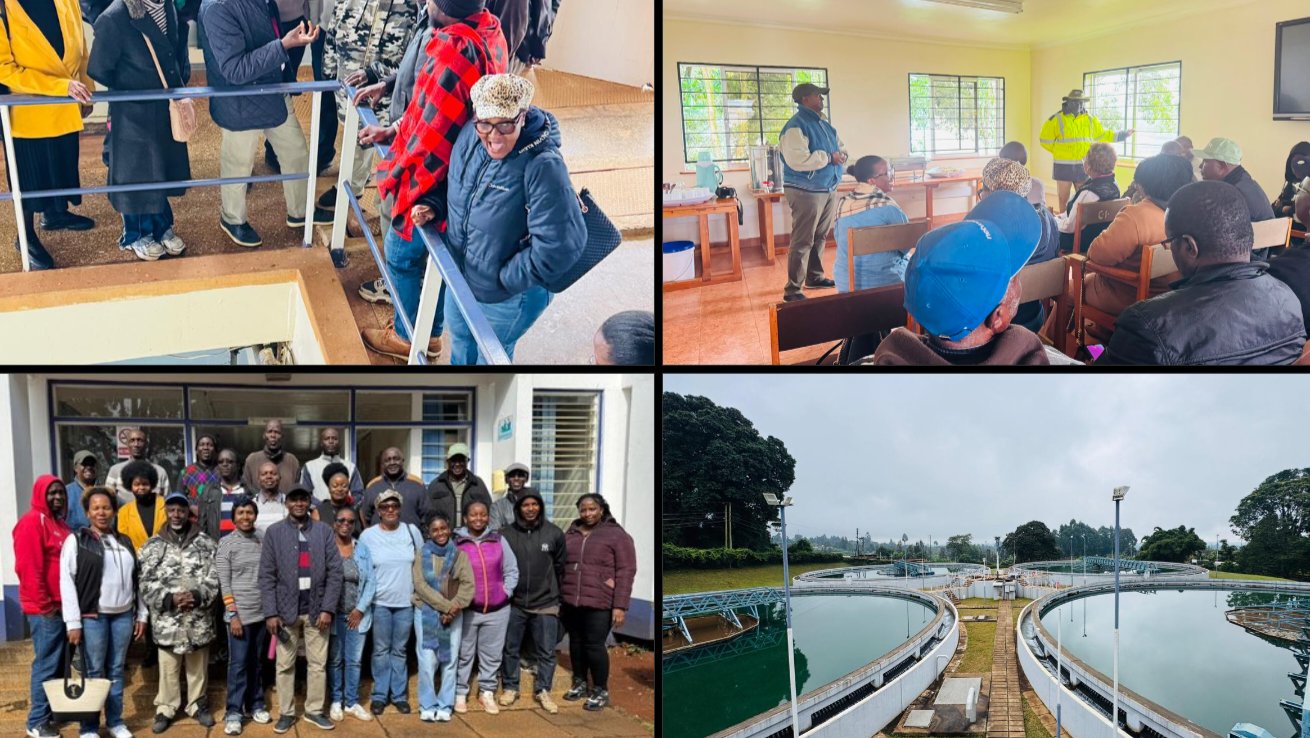

A delegation representing the Kenya Alliance of Resident Associations (KARA) conducted a site visit this week to evaluate operations at Thika Dam and the Ngethu Water Treatment Plant. This tour formed part of an initiative to increase public awareness regarding the complexities of urban water distribution.
Production Manager Philip Githinji led the technical walkthrough alongside Corporate Affairs and Liaison Manager James Karanja and Thika Dam Coordinator Job Kihamba. These officials guided the visitors through the current processes used to maintain water quality standards across the metropolitan area.
The visit comes as residents frequently report difficulties with service consistency. In public forums, some customers continue to highlight persistent issues regarding scheduled supplies, specifically citing areas such as Lower Koitobos and Simba Hill Roads in Karen.
By facilitating direct interaction with the infrastructure, organizers aim to build a structured platform for ongoing communication with residential communities. The goal involves creating a better understanding of the operational challenges that currently impact the city's water availability.
Officials stated that the delegation observed the scale of the existing facilities and the commitment of the staff managing them. According to the organizers, these representatives will now share these insights with residents across their respective estates to foster greater public trust.
The long-term objective of this engagement remains the promotion of responsible water and sewerage usage among urban residents. Utility managers emphasized that creating transparency is necessary to align public expectations with the current capacity of the water grid.
While the tour provided a closer look at the primary treatment systems, the underlying concerns regarding equitable distribution remain prominent. Stakeholders intend to use this knowledge to help residents better navigate the daily realities of water provision in Nairobi.
This collaborative approach marks a shift in how utility providers interact with the people they serve. By opening these sites to association leaders, the department hopes to address the disconnect between supply management and end-user experiences.
Continuous engagement will be required to bridge the gap between technical operations and the needs of a growing urban population. The management team at the treatment plant indicated that they intend to sustain these efforts to ensure that the feedback loop with the public remains active.
Ultimately, the impact of these sessions will be measured by the ability of resident associations to relay accurate information back to their communities. Leaders believe that a clearer understanding of the water journey from the dam to the tap could improve public cooperation in resource conservation.