
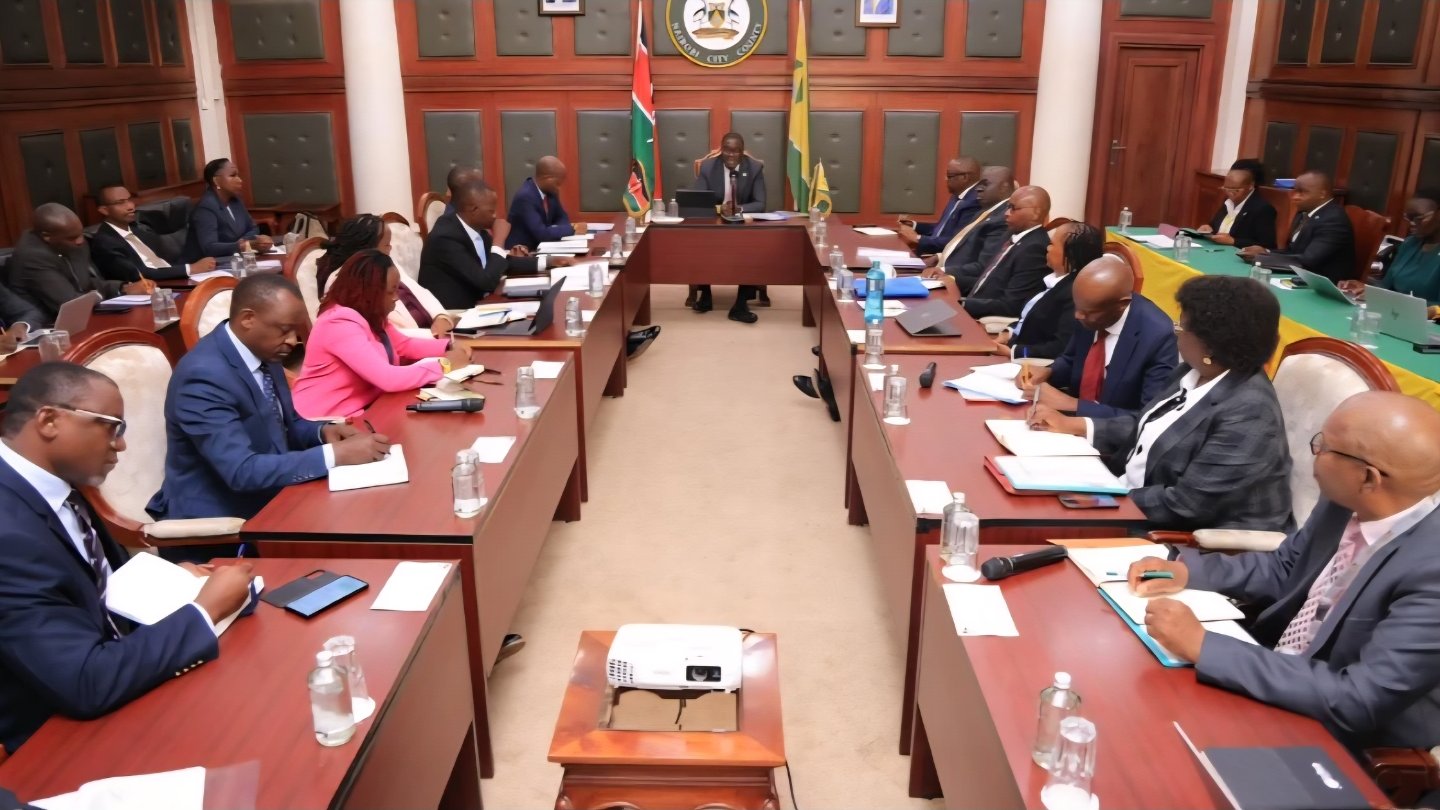

Nairobi Governor Johnson Sakaja has detailed the allocation of Ksh 80 billion in additional funding intended to address the capital city's primary infrastructure and service delivery gaps. The announcement followed the inaugural meeting of the Joint Steering Committee at City Hall, where senior county officials met with Principal Secretaries from various national ministries to operationalize the Nairobi Rising cooperation framework.
This funding is structured under a recently signed agreement between the Nairobi City County Government and the national government. The arrangement is designed to streamline the execution of large-scale projects that have historically faced coordination challenges between the two levels of government.
The spending plan prioritizes several heavy civil engineering and utility sectors, with significant portions of the capital directed toward water and sanitation infrastructure. Among the listed flagship projects is the rehabilitation of the Ngethu Water Treatment Plant and the expansion of the city's sewer networks. A dedicated 3 billion Kenya shillings programme, supported by international partners, will focus specifically on last-mile sewer connectivity to reduce environmental pollution in residential areas.
Road construction and urban mobility also feature prominently in the new budget. The committee discussed a Ksh. 8.7 billion Safe Streets programme, which involves upgrading existing road surfaces, installing street lighting, and developing non-motorised transport facilities. Additionally, specific allocations have been made to complete Phase I of various urban roads within two months, while subsequent phases totaling 57 kilometres are scheduled to begin in April.
Flood mitigation and drainage improvements are being treated as immediate priorities following recent seasonal weather impacts. The Governor noted that Ksh. 1 billion is earmarked for drainage works to reduce the risk of flooding in vulnerable city sectors. The Joint Steering Committee plans to meet weekly during this initial phase to finalize the project roadmaps and technical subcommittees.
Beyond civil works, the cooperation agreement includes provisions for institutional changes, such as the creation of a Nairobi Metropolitan Police Unit intended to improve urban security. This unit is expected to be operational within the next 60 days.
While the framework moves into the implementation phase, it remains under legal scrutiny. The High Court is currently reviewing petitions that challenge the constitutionality of the agreement, with critics drawing parallels to previous administrative arrangements. Governor Sakaja, however, maintained that the partnership is essential for mobilizing the technical and financial resources required to modernize the city’s aging infrastructure.
Comments (0)
Leave a Comment
No comments yet. Be the first to share your thoughts!