

```markdown
The Environmental and Social Impact Assessment (ESIA) for the ongoing Maralal – Morijo – Baragoi (A4) Road Project has progressed to a key stage following the conclusion of public participation meetings in Samburu County.
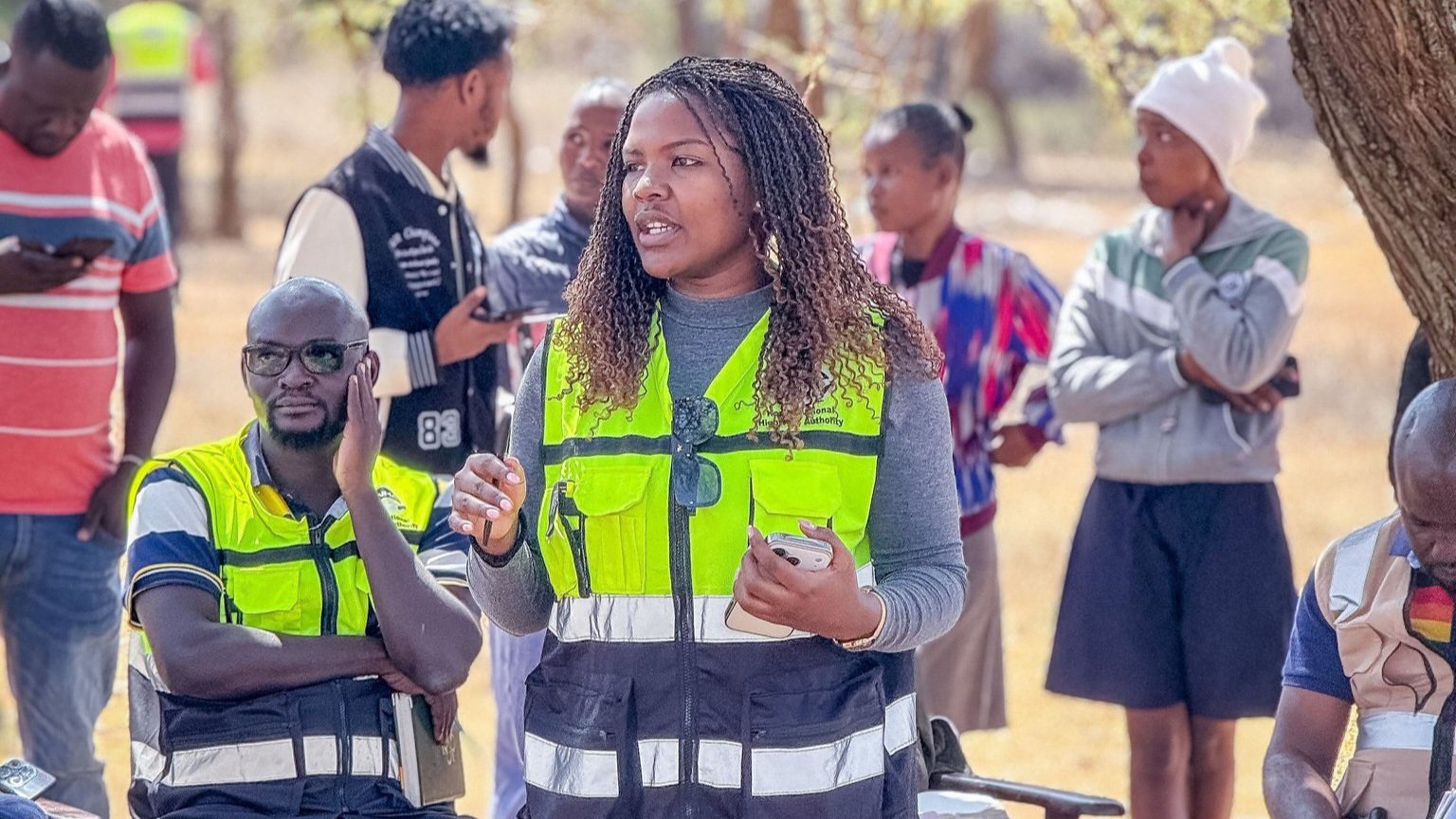
State highway officials conducted the public engagements in Morijo and Marti to gather community views on the proposed road upgrade.
The forums were spearheaded by the Kenya National Highways Authority (KeNHA) Upper Eastern regional team.
Officials engaged local residents, administrative leaders, and regional stakeholders to gather direct feedback on the socio-economic and environmental effects expected during construction and subsequent operation of the route.
Under Kenyan environmental legislation, large-scale infrastructure projects require detailed assessments before full-scale construction or major environmental modifications can proceed.
The primary objective of the public consultation process is to identify potential community grievances, outline mitigation measures for environmental disruption, and ensure alignment with regulatory standards set by environmental authorities.
The A4 corridor serves as an essential transport link connecting Maralal, Morijo, Marti, and Baragoi. Infrastructure upgrades along this northern route aim to improve connectivity across Samburu County, where seasonal weather conditions frequently disrupt unpaved roads and hamper local movement.
Transport connectivity in these remote areas remains vital for security operations, commerce, and agricultural supply chains.
Community discussions centered on land use, employment opportunities for local labor, dust suppression during earthworks, and livestock crossing points.
Engineering teams and environmental experts recorded feedback that will be compiled into the final ESIA report for formal submission to regulatory bodies.
With the completion of public barazas in Morijo and Marti, KeNHA will incorporate stakeholder inputs into the final design and environmental management strategy for the highway project.
Comments (0)
Leave a Comment
No comments yet. Be the first to share your thoughts!