
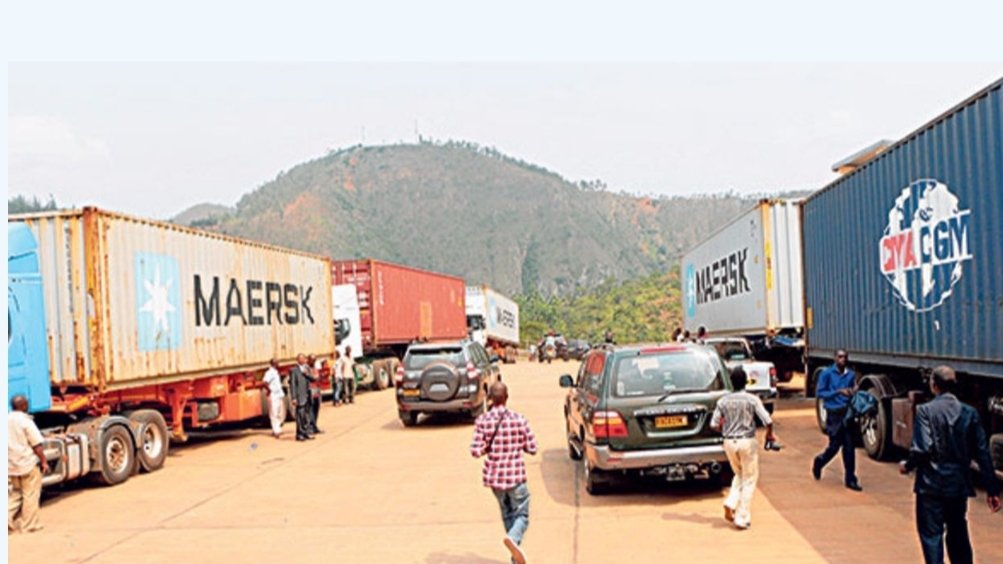

The Northern Corridor is facing growing pressure to reduce emissions from freight transport as rising cargo volumes through the Port of Mombasa increase demand for heavy trucks moving goods across East Africa.
The United Nations Environment Programme (UNEP) has committed $190,000 to support key components of the Northern Corridor Green Freight Strategy 2030, including research into electric freight vehicles and better tracking of transport emissions.
The Northern Corridor links the Port of Mombasa with several landlocked countries, including Uganda, Rwanda, South Sudan and the eastern Democratic Republic of Congo.
Cargo handled through the Port of Mombasa is projected to reach 50 million tonnes this year. Higher volumes are expected to translate into more freight movements along the corridor, much of which continues to depend on diesel-powered trucks.
The Northern Corridor Transit and Transport Coordination Authority (NCTTCA) estimates that about 75,000 tonnes of cargo move along the corridor every day, carried by between 2,000 and 3,000 trucks.
The scale of this movement makes road freight an important part of the corridor's environmental footprint, particularly as regional trade continues to expand.
The UNEP funding will support a study examining the feasibility of electrifying truck movements within the Port of Mombasa.
The study will be undertaken with the NCTTCA and the Kenya Ports Authority (KPA). It will examine the potential for replacing diesel-powered cargo-handling vehicles and trucks operating within the port with electric alternatives.
Starting with the port could provide a practical testing ground because vehicles operating within the facility generally travel shorter distances than long-haul trucks crossing several countries.
The initiative will also support an update of the Northern Corridor's greenhouse gas emissions accounting framework. The objective is to establish a clearer picture of emissions generated by freight movement across the regional trade route.
The work will cover Kenya, Uganda and Rwanda and is expected to improve the data available to governments and transport authorities as they develop measures to reduce emissions.
The programme also includes efforts to increase women's participation in green freight transport, making the transition about both environmental performance and wider participation in the sector.
The Northern Corridor Green Freight Strategy aims to make the regional freight system ready for electric vehicles by 2030 and put the corridor on a pathway towards net-zero emissions by 2050.
The challenge is significant because long-haul freight is considerably harder to electrify than passenger transport.
Heavy trucks require large batteries, sufficient driving range and reliable charging infrastructure. The corridor would therefore need substantial investment in electricity supply and charging facilities before electric freight vehicles could operate at scale.
The Port of Mombasa could provide an important starting point for that transition. Concentrating electric trucks and cargo-handling equipment within a defined area could allow authorities and operators to test the technology before considering longer-distance applications.
The emissions work is equally important because authorities need reliable data to determine where the biggest reductions can be achieved.
The Northern Corridor carries the economic benefits of expanding regional trade, but the same growth also increases the amount of fuel consumed by trucks transporting cargo from the coast to inland markets.
For Kenya, the issue is particularly important because Mombasa is the main maritime gateway for several neighbouring economies.
More cargo moving through the port can strengthen regional commerce, but it also increases the environmental pressure associated with moving that cargo hundreds or thousands of kilometres inland.
The new initiative therefore seeks to address the environmental cost without undermining the corridor's role in supporting regional trade.
If the proposed studies lead to investment in electric vehicles, charging infrastructure and better emissions management, the Northern Corridor could become a testing ground for cleaner freight transport in East Africa.
The immediate focus, however, is on establishing what is technically possible, measuring the corridor's emissions more accurately and identifying practical measures that can move freight towards a lower-carbon future.
Source: The EastAfrican, reporting on United Nations Environment Programme funding and the Northern Corridor Green Freight Strategy 2030.
Comments (0)
Leave a Comment
No comments yet. Be the first to share your thoughts!