

A version of this article was posted on X by Killa Lando.
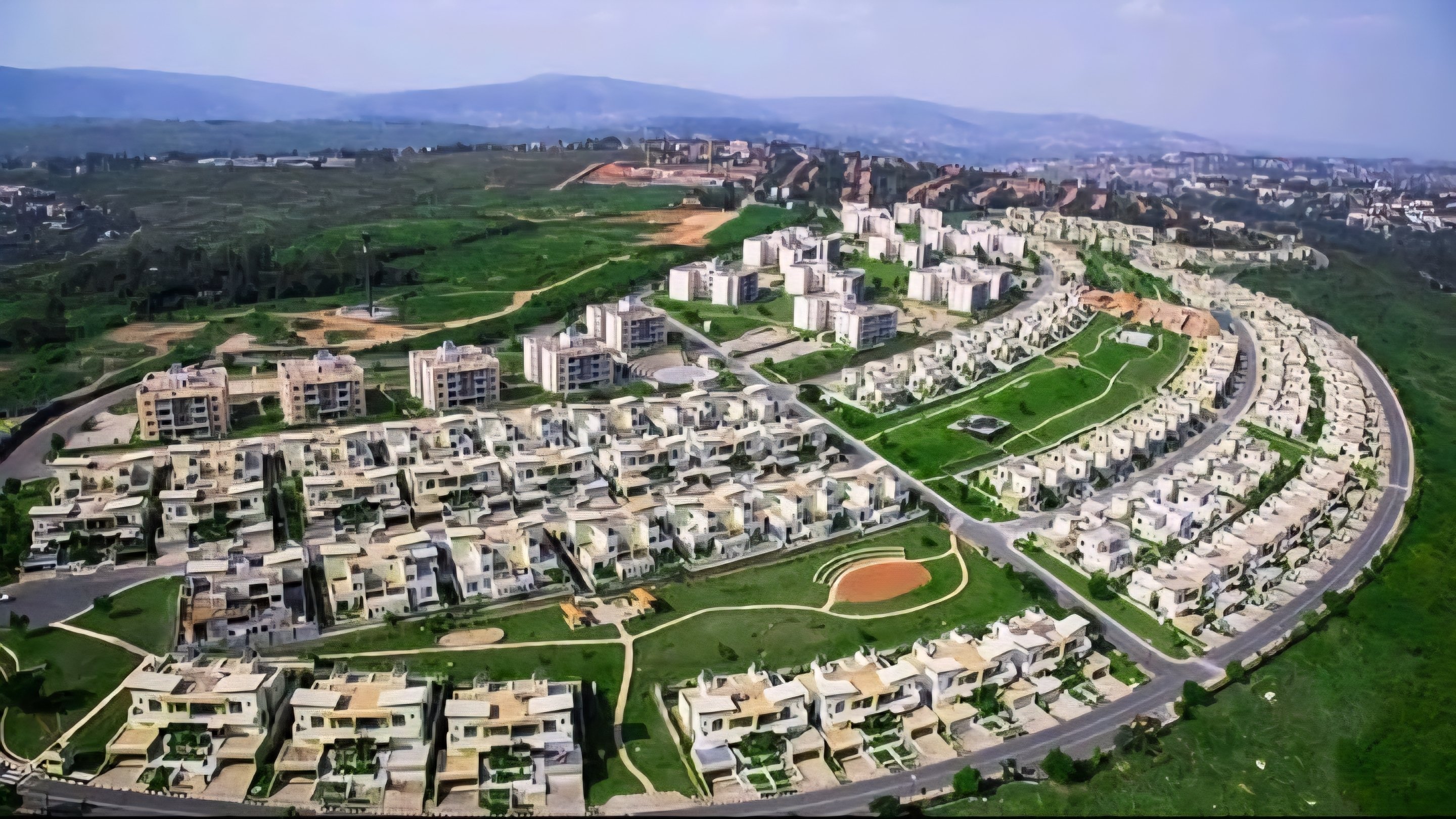
Comparative discussions on urban housing models in East Africa have drawn attention to Rwanda, where community consultation and land-sharing frameworks delivered nearly 800 residential units in Kigali.
The Mpazi Re-Housing Project (MRP), located in Nyarugenge District, delivered 793 units designed to house low-income families while preserving existing neighborhood ties and local businesses.
Unlike the Affordable Housing Programme (AHP) in Kenya, which relies on a controversial statutory deduction, the Rwandan model used a blended financing structure without introducing a universal tax.
In Rwanda, the City of Kigali combined infrastructure grants, blended financing, and conventional debt from the Development Bank of Rwanda (BRD) to fund construction.
Private capital and market-rate sales of surplus housing units were also incorporated into the scheme, which limited public fiscal exposure while rehousing residents on-site.
In contrast, the Kenyan government under President William Ruto enacted the Affordable Housing Act (AHA) of 2024 to anchor the mandatory housing levy in formal legislation.
While the Kenyan policy seeks to generate large-scale construction activity across constituencies like Awendo, public resistance and legal challenges persist regarding its funding structure.
Industry analysts note that public trust remains a central factor in housing execution, as citizens scrutinize transparency, site selection, and financial models across both national frameworks.
Comments (0)
Leave a Comment
No comments yet. Be the first to share your thoughts!