
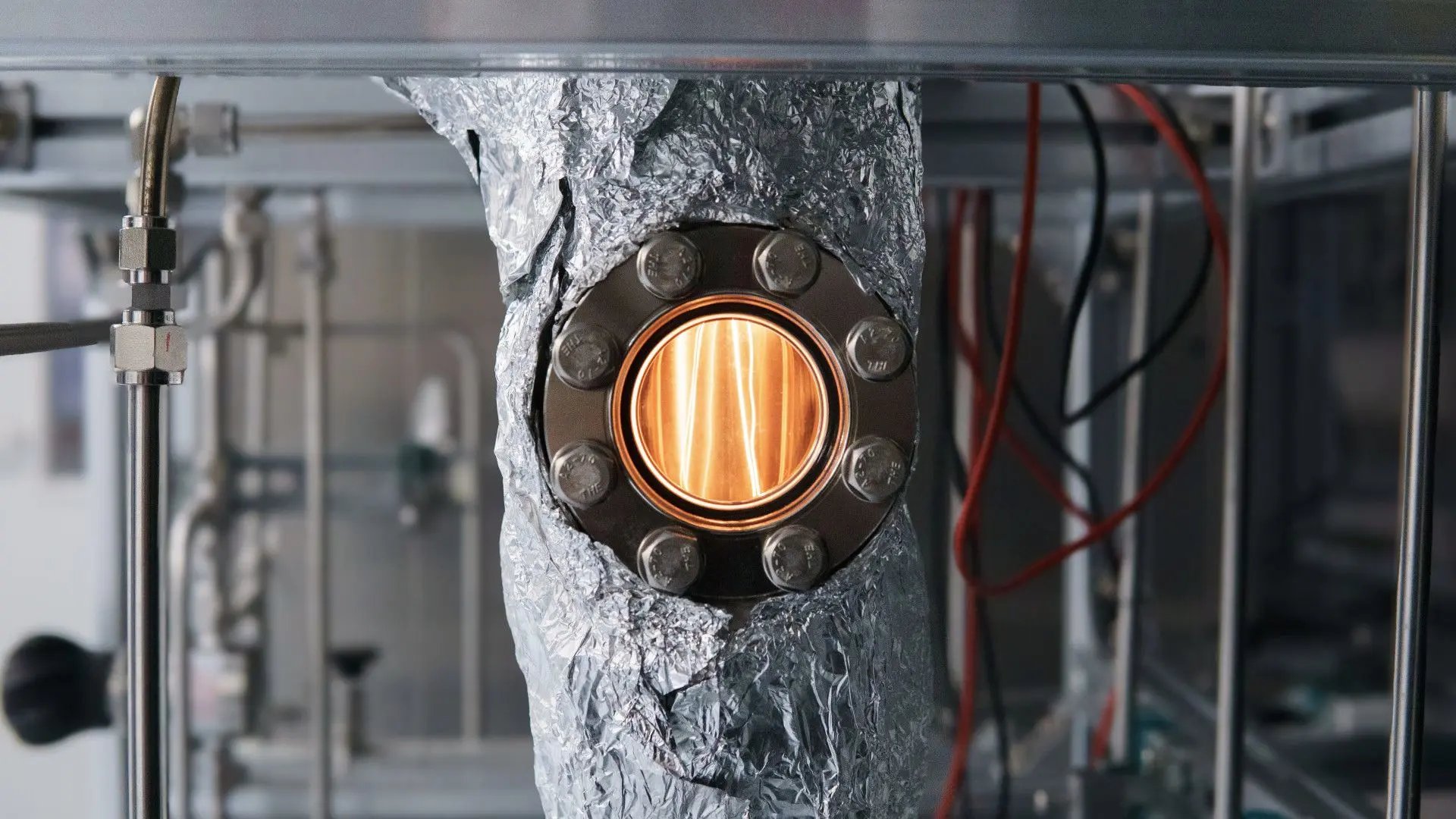

Researchers at National University of Singapore (NUS) have built chemical reactor using electrified metal filament similar to lightbulb wire. Device reaches high temperatures using minimal power, which lowers carbon emissions from industrial processing.
Traditional chemical processing relies on burning fossil fuels to heat entire reaction vessels. This legacy method consumes large volumes of energy, while emitting substantial carbon dioxide into atmosphere.
Designed by Centre for Hydrogen and Carbon Innovations (CHCI) at NUS, device concentrates thermal energy directly inside thin wire. Localized heating achieves temperatures over 1,200°C rapidly, while surrounding reactor walls remain cool.
Professor Yan Ning led engineering team behind project. System operates on electricity, which enables integration with clean power grids across heavy manufacturing sites.
Team applied system across three separate industrial conversion pathways. First trial involved ammonia decomposition, which breaks chemical into hydrogen and nitrogen gases.
Ammonia serves as key carrier for shipping hydrogen across global supply networks. Traditional conversion requires bulky equipment, which consumes significant operational energy during processing.
Lightbulb reactor achieved near complete conversion of ammonia into hydrogen fuel. Compact footprint allows unit to measure significantly smaller than current commercial options, while maintaining high output efficiency.
Findings from ammonia study appeared in Nature Chemical Engineering journal. Researchers currently collaborate with commercial partners, who plan field testing for hydrogen distribution networks.
Second trial evaluated breakdown of polyolefin plastics, including polyethylene and polypropylene. Common recycling methods yield mixed chemical streams, which complicate material recovery for re-manufacturing.
Electrified metal filament cracked plastic chains into pure chemical building blocks. Process achieved monomer selectivity reaching up to 65%, which supports circular plastic manufacturing.
Study on plastic recycling appeared in Nature Communications journal. Process reduces volume of synthetic waste sent to municipal landfills, while providing feedstocks for industrial synthesis.
Third trial focused on methane conversion, which constitutes primary component of natural gas. Unlocking methane without heavy carbon byproducts remains persistent technical obstacle for chemical engineers.
Reactor utilized distinct thermal zones along internal wire filament. Design converted gas into valuable manufacturing chemicals, while simultaneously yielding pure hydrogen gas.
Methane conversion research appeared in Nature Sustainability journal. Temperature gradients prevented secondary unwanted reactions, which improved overall output purity across testing cycles.
Global construction and industrial sectors monitor low-carbon chemical innovations closely. Scalable electrifiable reactors offer alternative to traditional fuel burning boilers across processing plants.
CHCI researchers plan to scale reactor architecture for continuous industrial flow operations. Engineering team continues expanding compatibility across broader chemical manufacturing processes worldwide.
Modular layout allows easy retrofitting inside existing chemical processing plants. Direct electrical heating eliminates need for massive insulation infrastructure around high-temperature process lines.
Reduced space requirements lower initial facility capital expenditure for project developers. Compact equipment also simplifies transport to remote construction and energy processing job sites.
Sustainable material production helps developers meet strict green building standards. Efficient chemical conversion lowers embodied carbon across supply chains for synthetic construction materials.
Research team aims to transition technology from laboratory testing into commercial deployment. Ongoing trials will determine long-term durability of metal filaments under continuous high-temperature exposure.
Industry observers view electric filament heating as practical pathway toward industrial decarbonization. Success depends on securing reliable renewable power to drive high-temperature chemical reactions.
Comments (0)
Leave a Comment
No comments yet. Be the first to share your thoughts!