

Engineers in the global clean energy sector have demonstrated a practical method to restore declining geothermal infrastructure. The technical advancement allows aging generation facilities to produce substantially more electricity than original design parameters permitted.
United States (US) energy startup Zanskar successfully revived a failing power generation facility that had suffered severe temperature drops. The plant had experienced underground fluid temperatures dropping from 300 degrees Fahrenheit down to 250 degrees over five years.
Initial site operators assumed the reservoir was depleting as electrical output plummeted across existing equipment. However, advanced subsurface analysis powered by Artificial Intelligence (AI) revealed that earlier operators had only tapped the upper boundary of the heat system.
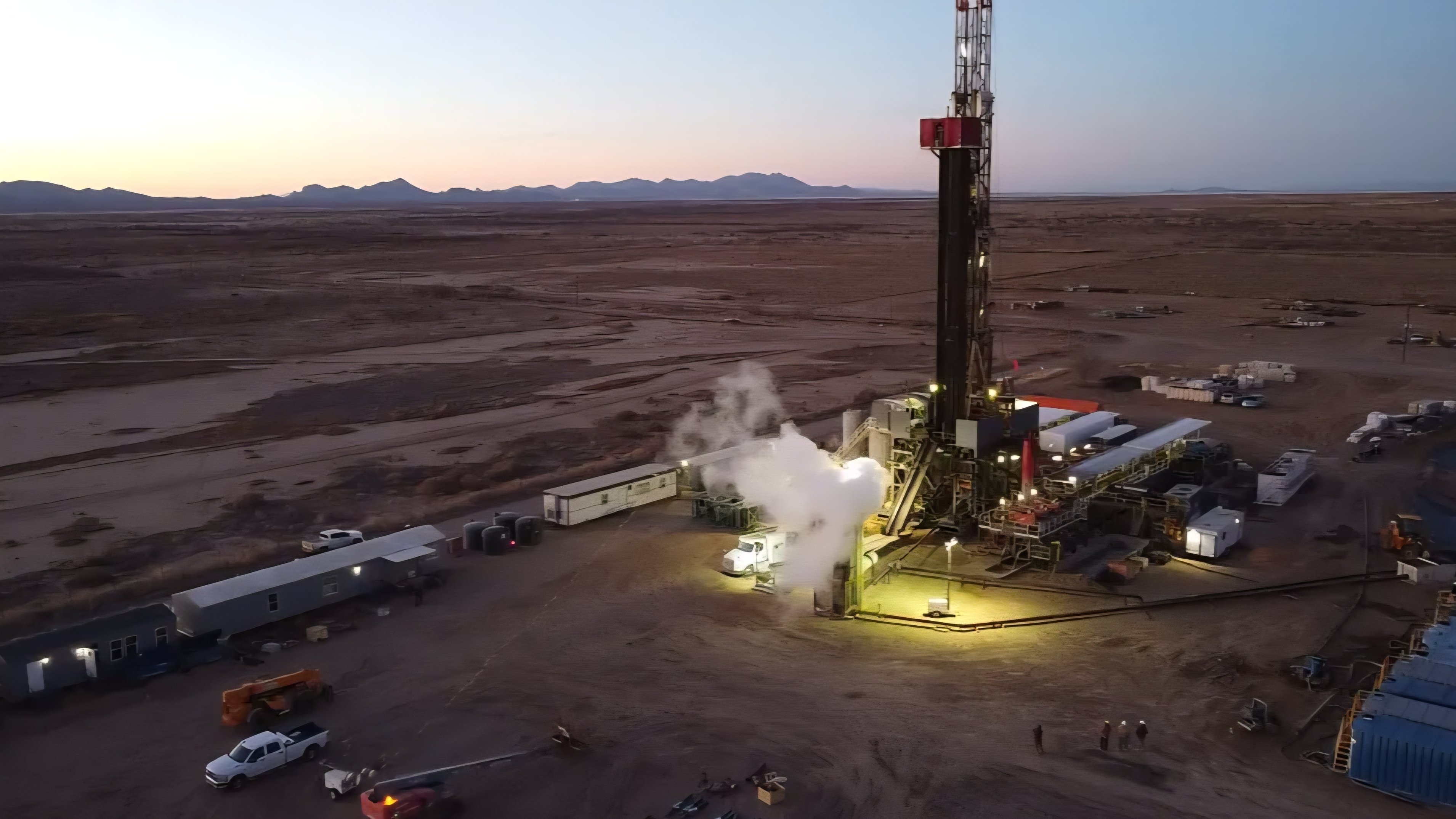
Legacy production wells reached a depth of roughly 2,500 feet into the rock formation. The original construction team stopped drilling at that shallow horizon because initial data suggested sufficient thermal activity.
Geological modeling later proved that higher temperatures lay significantly deeper within the formation. Zanskar dispatched heavy drilling machinery to sink a new production well down to 8,000 feet in a strategic location.
Deep drilling operations uncovered a surprising geological reality within the deeper rock layers. Water flow rates and thermal temperatures increased substantially at greater depths, challenging long-held engineering assumptions about hydrothermal reservoirs.
The newly completed well provided immediate operational gains for the power station. Electrical output rose rapidly, allowing the generation plant to operate at its maximum engineered design capacity.
Electricity generation from this single deep well surpassed the combined output of all older shallow wells on the property. The facility currently produces more than double the energy recorded prior to the deep drilling intervention.
Industry experts view this operational success as an important model for aging geothermal fields worldwide. Many existing power plants across active volcanic zones suffer similar output declines as shallow geothermal reservoirs cool during prolonged operation.
Utilizing advanced computational geoscience reduces exploration risks before expensive deep drilling operations begin. By predicting underground fluid movement accurately, developers avoid the costly dry holes that historically hindered geothermal expansion projects.
Commercial energy developers across North America and Africa are reviewing these engineering results. Expanding established energy projects through deeper drilling offers a faster route to grid deployment compared to developing raw greenfield locations.
Utilizing existing electrical transmission lines and surface turbine equipment keeps capital expenditures lower for power producers. Upgrading existing facility assets also avoids the lengthy environmental permitting delays associated with constructing entirely new power stations.
Field technicians continue tracking pressure levels and fluid temperatures at the upgraded wellsite. Continuous monitoring will establish whether deep fluid extraction can maintain high electrical generation without causing premature thermal cooling over long operating cycles.
Capital investment in deep drilling technologies continues to grow as global demand for continuous clean energy surges. Investors recognize that firm, zero-emission baseload power remains essential for stabilizing electric grids alongside variable renewable sources like solar.
Results from this rehabilitated production facility confirm that depleted geothermal fields hold considerable untapped energy potential. Power companies now possess proven technical frameworks to reactivate underperforming power plants and supply constant electrical energy to expanding national power grids.
Comments (0)
Leave a Comment
No comments yet. Be the first to share your thoughts!