
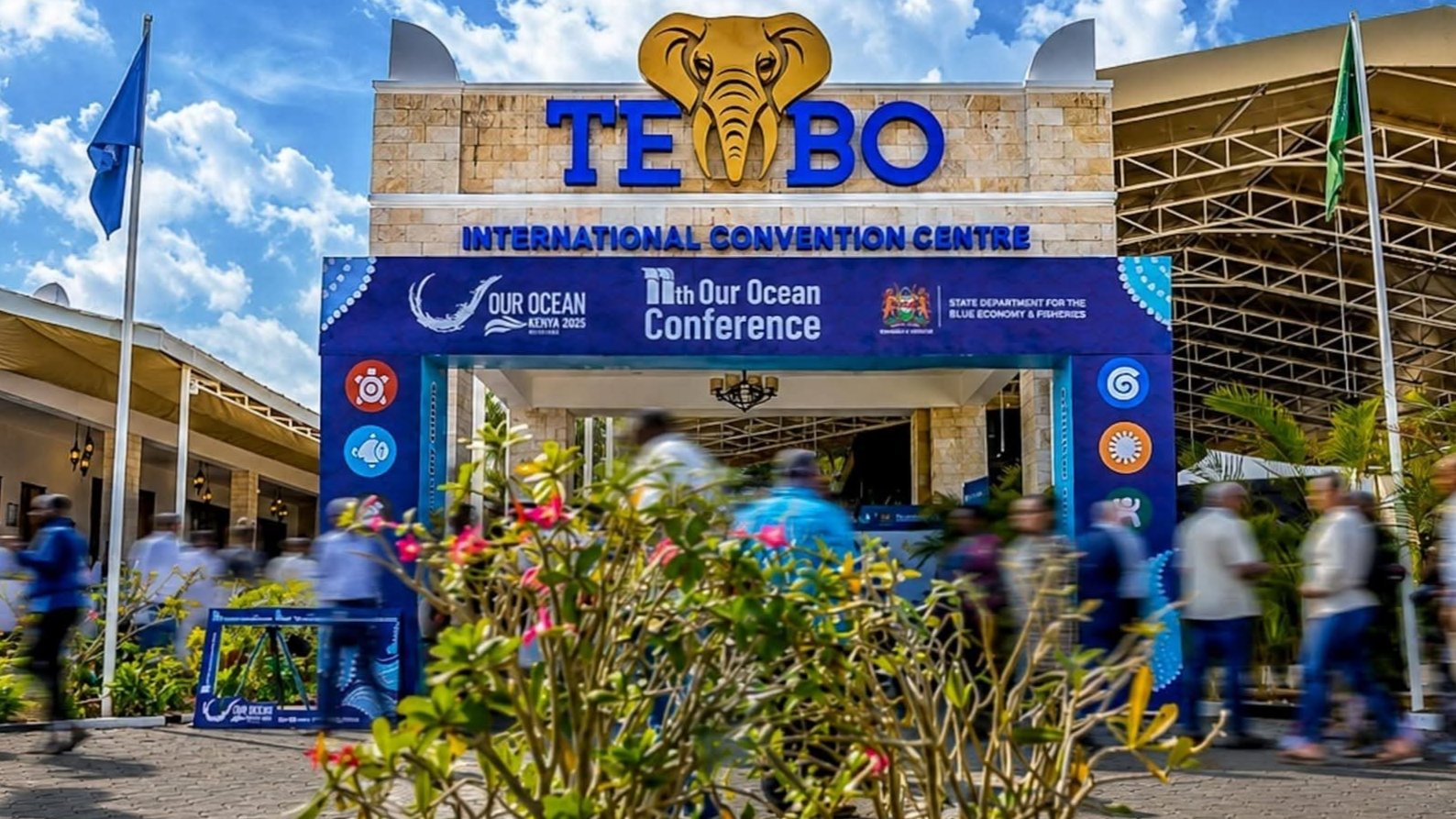

Deputy President Kithure Kindiki represented President William Ruto at the official opening of the 11th Our Ocean Conference in Shanzu, Mombasa on Wednesday. He highlighted serious anthropogenic pressures on oceans worldwide.
These include ecosystem degradation, pollution and other harmful human activities. Kindiki said Kenya aims to transform Indian Ocean resources in its jurisdiction. The focus is empowering coastal communities while protecting marine ecosystems for current and future generations.
“Our understanding of the responsibility of the current generation to the ocean is that we have borrowed it from our children, to whom we must return it, better, cleaner and safer,” he wrote.
The conference opened on Tuesday, June 16 under the theme “Our Ocean, Our Heritage, Our Future.” It runs until Thursday and marks the first time the event is hosted on African soil.
Participants adopted the Mombasa Declaration. Around 14 to 15 countries signed it to advance fisheries transparency and combat illegal, unreported and unregulated fishing.
Former US Secretary of State John Kerry urged Commonwealth nations to speed up marine protection. He called for faster progress on the 30 by 30 initiative and ratification of the High Seas Treaty.
Hollywood actress Kate Walsh attended as Oceana ambassador. She met fishers and urged leaders to centre coastal communities in decisions.
Coastal activists demanded bans on fine-mesh nets. Greenpeace Africa staged sand art at Pirates Beach calling for 30 per cent ocean protection by 2030.
For Kenya’s construction sector, these developments matter. Ports, coastal roads, tourism facilities and marine projects rely on healthy ecosystems to succeed long term.
Mombasa’s port operations and shoreline works face risks from pollution and climate impacts. Conference outcomes could shape marine spatial planning standards.
Cabinet Secretary Ali Hassan Joho stressed turning commitments into action. Previous gatherings since 2014 produced over 2,900 pledges worth more than $160 billion.
Kindiki’s role ties into blue economy goals. Sustainable marine use supports fisheries infrastructure and coastal protection works.
Construction teams on waterfront sites will track new policies. They can reduce project risks in sensitive environments.
The event continues with panels on conservation and resilience. Kenya seeks to lead ocean governance in the region.
Comments (0)
Leave a Comment
No comments yet. Be the first to share your thoughts!