
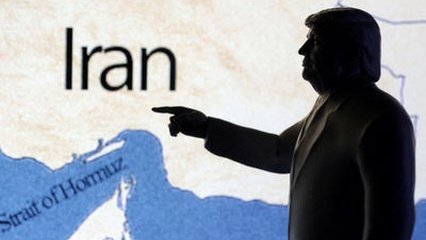

The global construction and infrastructure sectors are monitoring developments in the Middle East with increasing concern. Recent statements from former U.S. President Donald Trump regarding Iran have placed the Strait of Hormuz back at the center of geopolitical volatility. For Kenya and its neighbors, any disruption to this narrow waterway carries immediate consequences for project budgets and material supply chains.
The Strait of Hormuz serves as the primary artery for the global oil trade. Approximately one-fifth of the world's total oil consumption passes through this channel daily. In the context of infrastructure development, the price of crude oil is a fundamental variable. It dictates the cost of bitumen for road projects, the price of fuel for heavy machinery, and the logistics of transporting steel and cement.
The rhetoric of 'escalate to de-escalate' has been a recurring theme in international relations involving the current U.S. political landscape. However, analysts warn that the world economy has a limited capacity to absorb repeated cycles of high-tension brinkmanship. For a developing economy like Kenya, where the government is currently prioritizing massive housing and transport projects, sudden spikes in energy costs can lead to immediate funding gaps.
President Ruto has previously emphasized the need for stable global markets to support domestic growth. When the price of oil fluctuates due to threats of a blockade, the ripple effects are felt at every level of the construction industry. Contractors often find themselves squeezed between fixed-price government contracts and the rising cost of operations.
The link between maritime security and terrestrial infrastructure is direct. If the Strait of Hormuz were to be restricted, the resulting surge in freight insurance and fuel surcharges would likely delay several ongoing port and rail developments. Supply chain experts note that unpredictability in the Persian Gulf forces logistics companies to seek longer, more expensive routes around the Cape of Good Hope.
Infrastructure journalists have noted that while previous threats against Iran did not always lead to a full-scale shutdown, the mere suggestion of conflict increases market volatility. For investors, this uncertainty is a significant deterrent. Major capital projects require long-term financial predictability, which is currently being undermined by aggressive political posturing.
The source report suggests that the latest threats could transform a manageable crisis into a full-blown emergency. This sentiment is shared by many in the regional energy sector. If energy prices remain high for an extended period, the fiscal pressure on the Kenyan Treasury could force a slowdown in the rollout of the Bottom-Up Economic Transformation Agenda.
Industry leaders are now looking for ways to mitigate these risks. This includes diversifying energy sources and localizing the production of construction materials. However, as long as the global market remains sensitive to the politics of the Strait of Hormuz, the cost of building the future will remain tied to the stability of the Middle East.