
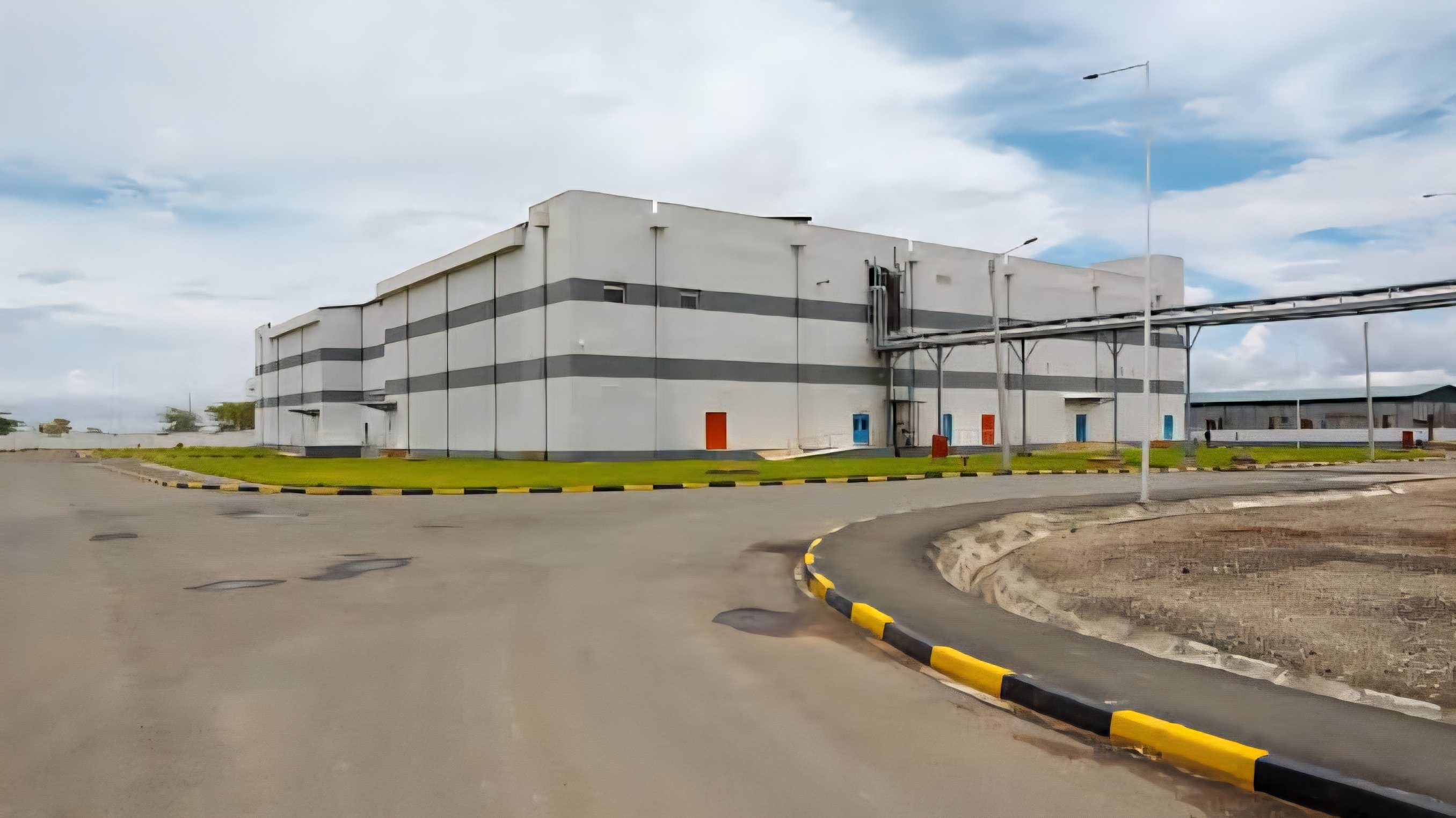

Kenya seeks foreign direct investment to expand domestic drug production facilities, targeting a sharp drop in imported health supplies. Government officials are engaging international partners to build new factories, as demand grows for local industrial capacity.
More than 80 percent of pharmaceutical products consumed in the country are currently imported. This reliance leaves public healthcare systems vulnerable to global logistics disruptions, foreign exchange volatility, and counterfeit medicines that enter supply chains.
Senior diplomats from several nations recently toured the manufacturing complex operated by Square Pharmaceuticals Kenya Export Processing Zone (EPZ) in Athi River. Developed through an investment exceeding 75 million dollars, the facility demonstrates the scale required for regional supply.
The Athi River facility manufactures over two billion tablets and capsules annually, covering treatments for chronic and acute illnesses. Operations adhere to strict global health guidelines, serving both domestic healthcare providers and export markets across East Africa.
State planners are also advancing a proposed 27.8 billion Kenya shillings biotechnology park at Konza Technopolis. The development is being structured under a Public-Private Partnership (PPP) model involving APIFA Biotech, which submitted the initial proposal to establish specialized facilities.
This planned industrial park will focus on synthesizing Active Pharmaceutical Ingredients (APIs), which are the essential biological components of medicines. Local manufacturing of these raw materials aims to reduce reliance on Asian imports, which experienced severe bottlenecks during recent health crises.
The proposed hub relies on a shared infrastructure model, providing centralized waste treatment facilities, specialized testing laboratories, and coordinated logistics services. This arrangement lowers entry barriers for private pharmaceutical developers, who can share high initial capital costs across common utilities.
President Ruto has emphasized national commitments to expand industrial manufacturing zones, which will generate thousands of skilled technical jobs. Strategic investments in pharmaceutical infrastructure are expected to lower medical expenses, making essential drugs accessible across municipal and rural health facilities.
The Ministry of Health (MOH) is working alongside the Pharmacy and Poisons Board (PPB) to streamline regulatory processes for local production. Standardizing approval timelines encourages foreign investors, who require predictable legal frameworks before committing long-term capital to construction projects.
Industrial analysts note that expanding domestic manufacturing capacity will position Kenya as a major production hub for the East African Community (EAC). Decreasing reliance on finished imports strengthens national trade balances, when local factories produce sufficient quantities for regional distribution.
Recent economic reports show a steady reduction in national spending on imported pharmaceutical items over consecutive quarters. Government agencies credit expanded domestic output, although full self-sufficiency will require additional manufacturing plants and sustained capital investments across economic zones.
Local manufacturers also expect technology transfer from foreign partnerships to boost local technical capacity and research expertise. Training programs integrated into commercial operations will equip local engineers and scientists, who will manage advanced automated production lines.
Building resilient health supply chains remains a top economic priority for the national government. As construction proposals advance through evaluation stages, officials remain confident that foreign direct investment will accelerate the growth of modern pharmaceutical facilities.
Continued diplomatic engagement and investor outreach will determine the speed at which these large projects move from feasibility studies into active construction. Expanding local manufacturing capacity remains a critical foundation for long-term health security and economic independence.
Comments (0)
Leave a Comment
No comments yet. Be the first to share your thoughts!