
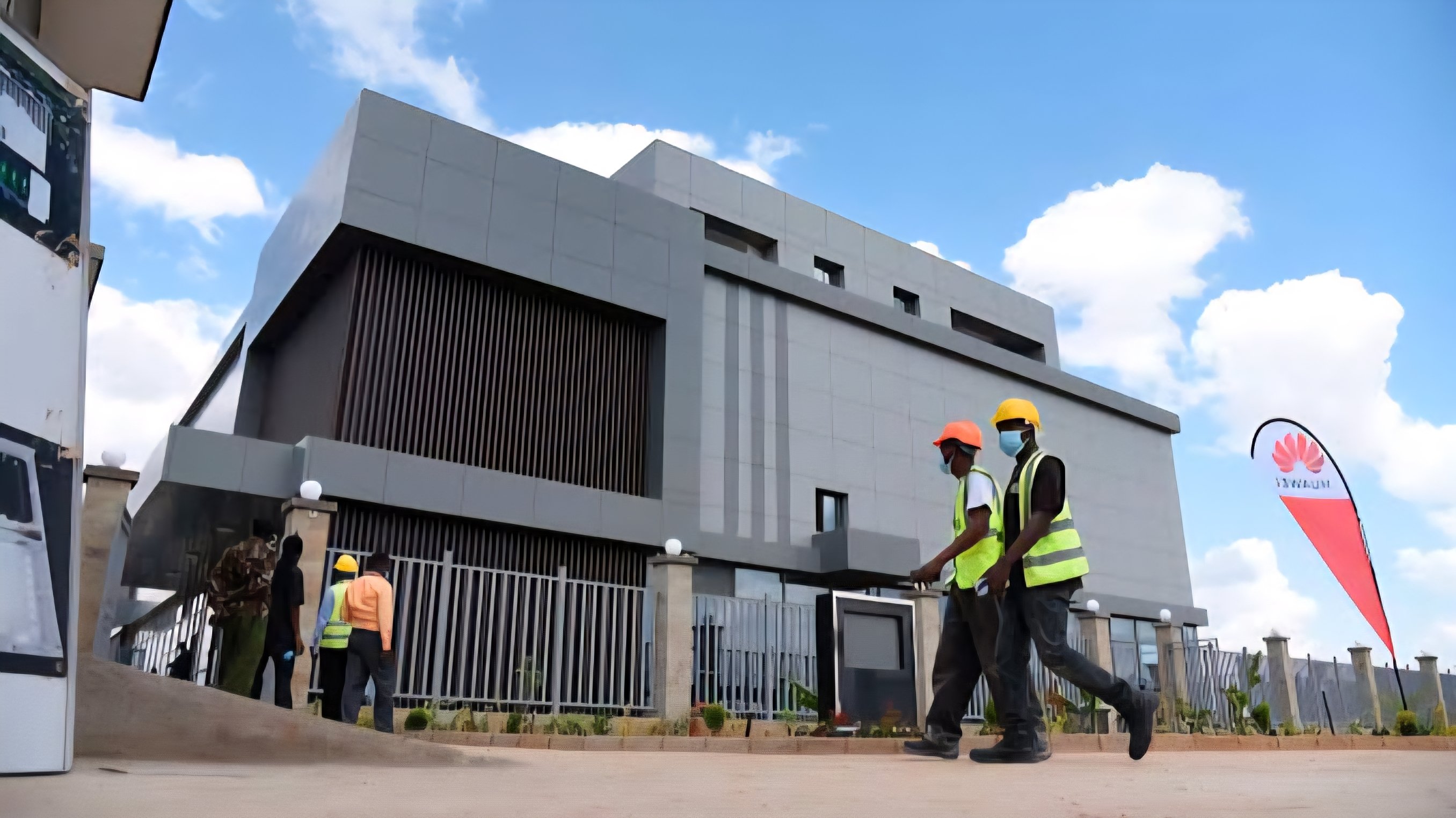

Total revenue generated by the Konza Technopolis fell from KES 252.4 million in 2024 to KES 202.9 million in 2025. This sharp decline comes even as the flagship project continues to attract capital, with cumulative investment into the smart city rising by 19 percent to reach KES 99.4 billion.
The slump in earnings is largely attributed to a contraction in cloud revenue, which fell 16.4 percent to KES 126.7 million. Authority records suggest this dip was driven by outstanding bills from several hosted public institutions that have yet to settle their accounts for data services.
Land leasing, another critical revenue pillar for the project, also faced headwinds during the period. The number of parcels successfully leased to private developers declined from 33 in the previous year to 21 in 2025, further tightening the fiscal space for the Technopolis.
Despite the cooling revenue, physical construction on the 5,000-acre site in Machakos County has intensified. The number of completed buildings within the city jumped from 9 to 17, while an additional 26 structures are currently at various stages of development.
Infrastructure milestones reached in 2025 include the completion of Phase I horizontal works. This includes the commissioning of primary roads, water supply systems, sewerage networks, and a new 66 kV substation that has increased power utilization capacity to 6 MW.
The project, championed by President Ruto as a cornerstone of the national digital agenda, saw the number of on-site startups grow from 20 to 51. However, direct jobs within the Technopolis fell from 3,000 to 1,137 as the labor-intensive heavy construction phase for initial infrastructure wound down.
Investment interest remains steady with the total number of on-board investors rising to 78. A significant portion of future growth is expected from the Digital Media City, which is supported by a USD 284 million financing agreement intended to establish a regional creative hub.
Management at the Konza Technopolis Development Authority is now exploring alternative funding models to sustain the next phase of growth. These options include the issuance of infrastructure bonds and the expansion of Public-Private Partnerships to develop commercial and residential zones.
Audit reports from 2025 indicate that while infrastructure worth billions is now operational, the project still faces the challenge of converting these assets into consistent commercial returns. The city remains heavily reliant on its data center services for liquidity.
Comments (0)
Leave a Comment
No comments yet. Be the first to share your thoughts!