
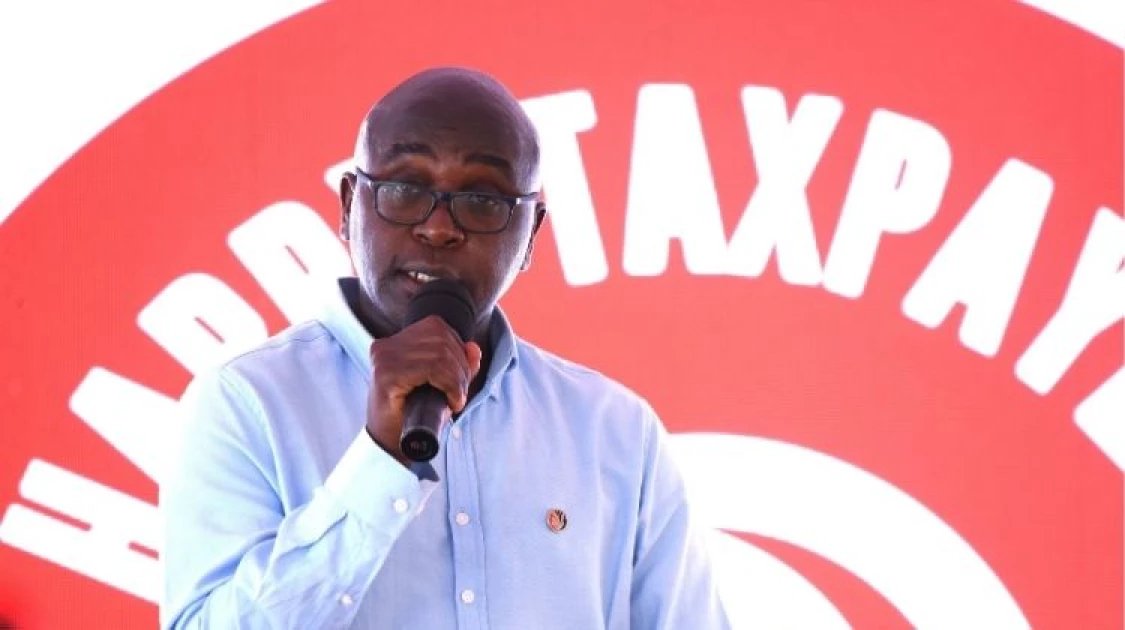

The Kenya Revenue Authority (KRA) board of directors has officially declined to renew the contract of Commissioner General Humphrey Wattanga. This decision, communicated following a board assessment, marks an abrupt end to his leadership at the country's primary tax agency.
The board attributed the move to underperformance, specifically pointing toward missed revenue collection targets. Wattanga took office in August 2023, succeeding Githii Mburu, but struggled to align tax yields with the ambitious goals set by the National Treasury.
According to internal reports, the tax collector has consistently fallen short of its monthly and quarterly objectives. These shortfalls created significant pressure on the national budget, affecting the funding of various government infrastructure projects and essential services across the country.
The exit comes months before the official end of his term, signaling a sense of urgency within the board to find a more effective leader. The KRA board has immediately initiated a recruitment process to find a successor who can stabilize the agency's performance.
During his tenure, Humphrey Wattanga faced the difficult task of expanding the tax base while navigating a challenging economic environment. High inflation and reduced consumer spending impacted VAT and excise duty collections, making it harder to hit the Sh2.5 trillion annual target.
President Ruto has frequently emphasized the need for the KRA to enhance efficiency and eliminate corruption within its ranks. The administration views robust tax collection as the only viable path to reducing the national debt and funding the Bottom-Up Economic Transformation Agenda.
The KRA remains under intense scrutiny from both the public and international lenders like the IMF. These stakeholders expect the tax collector to implement modern technology and data-driven systems to seal revenue leakages that persist in the customs and domestic tax departments.
Market analysts suggest that the frequent changes in leadership at Times Towers may create uncertainty among large taxpayers. However, the board maintains that a change in leadership is necessary to restore confidence and ensure the agency meets its constitutional mandate.
For the construction sector, the KRA's performance is a critical indicator of the government's ability to pay contractors and finance new road and rail developments. Revenue shortfalls often lead to pending bills, which have hampered the cash flow of many local engineering firms.
The board is expected to appoint an acting Commissioner General from within the current leadership team. This interim leader will oversee operations while the search for a permanent replacement is conducted through a competitive public process.
As the search begins, the focus shifts to whether the next head of the tax body can balance aggressive enforcement with a business-friendly environment. The KRA must now find a way to improve compliance without stifling the growth of the private sector.
Comments (0)
Leave a Comment
No comments yet. Be the first to share your thoughts!