
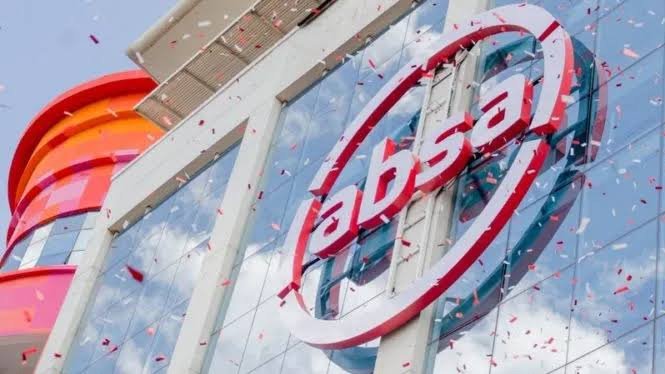

More than 64,000 minority shareholders of Absa Bank Kenya (ABK) have rejected a Sh24 billion share offer from South Africa’s Absa Group, thwarting the parent firm's attempt to execute a full buy-out of the local subsidiary.
The South African lender had sought to acquire the remaining equity held by retail and institutional investors on the Nairobi Securities Exchange (NSE), but the tender offer received minimal support from local investors.
According to transaction details, the buy-out offer attracted only 21 percent of the targeted minority shares. This response lifted Absa Group’s overall shareholding in the Kenyan unit from 68.5 percent to approximately 72 percent, falling far short of the threshold required for a complete takeover or delisting from the local bourse.
The resistance from over 64,000 shareholders highlights strong investor attachment to the lender's local stock. Industry observers note that minority equity holders often weigh dividend yields and long-term equity growth before surrendering positions in high-performing listed commercial banks.
Capital market analysts comparing the transaction to other recent corporate actions noted varying investor behavior across regional banking transactions. For instance, shareholders at NCBA Group (NCBA) previously demonstrated high participation rates during equity purchases by South Africa’s Nedbank, demonstrating that market sentiment remains sensitive to pricing and valuation models.
Retail investors on the NSE often reject tender offers if the offered price per share fails to represent a premium over market value or projected capital gains. Concerns over underlying market valuation frequently emerge during cross-border bank acquisitions, especially when local equity yields outpace regional treasury returns.
The outcome ensures that Absa Bank Kenya remains listed as a public entity on the NSE, preserving its public trading status and leaving thousands of local investors holding active equity positions within the financial institution.
For Absa Group, the modest increase in ownership consolidation means the parent company must continue managing its Kenyan operations under a mixed ownership structure, working alongside a substantial block of local retail and institutional investors.
The financial sector will watch how the institution navigates future capital raising, strategic investments, and dividend distributions, given that over a quarter of the equity remains distributed among tens of thousands of independent investors across the region.
Comments (0)
Leave a Comment
No comments yet. Be the first to share your thoughts!