
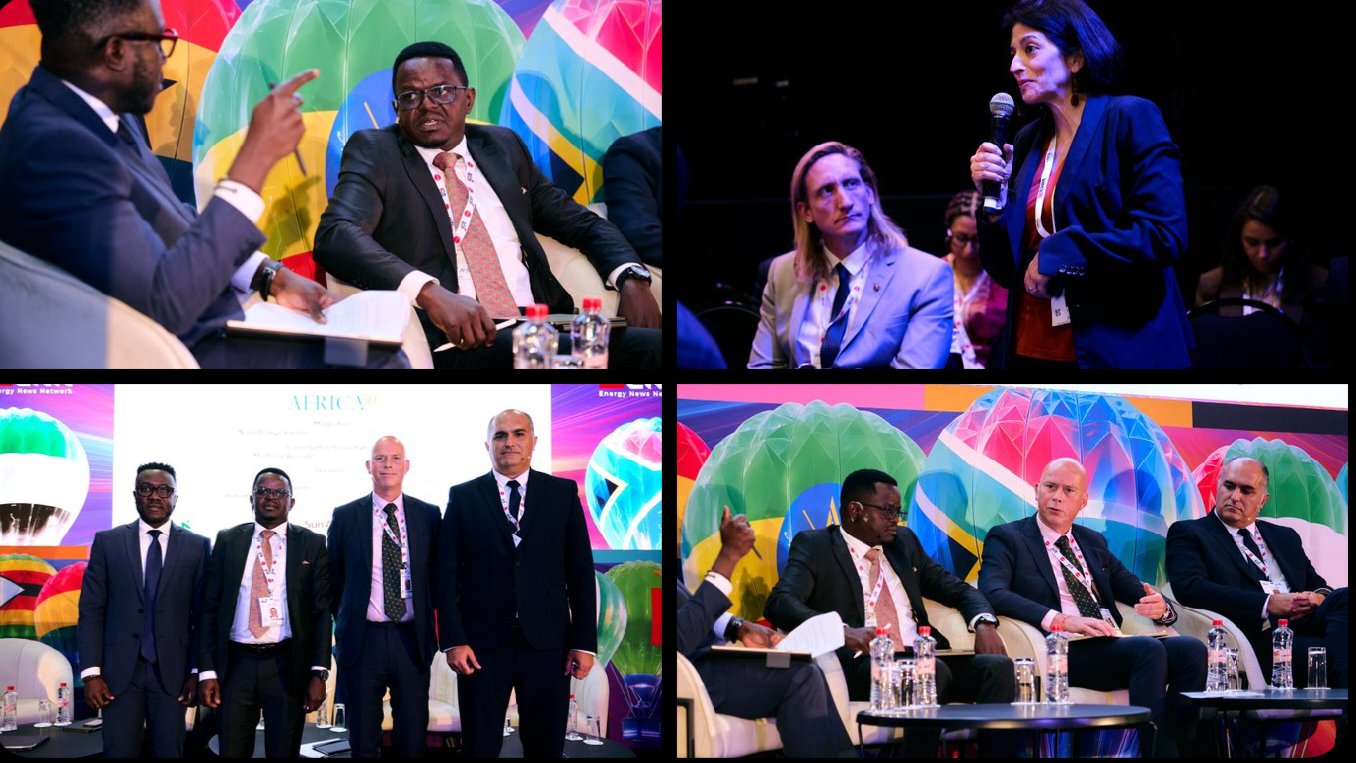

Speaking at the Africa Energy Forum (AEF) 2026, Eng. Kefa Seda stated that Africa's infrastructure financing agenda increasingly requires solutions capable of matching the scale of investment needed to support economic growth, industrialization, regional integration, and energy access.
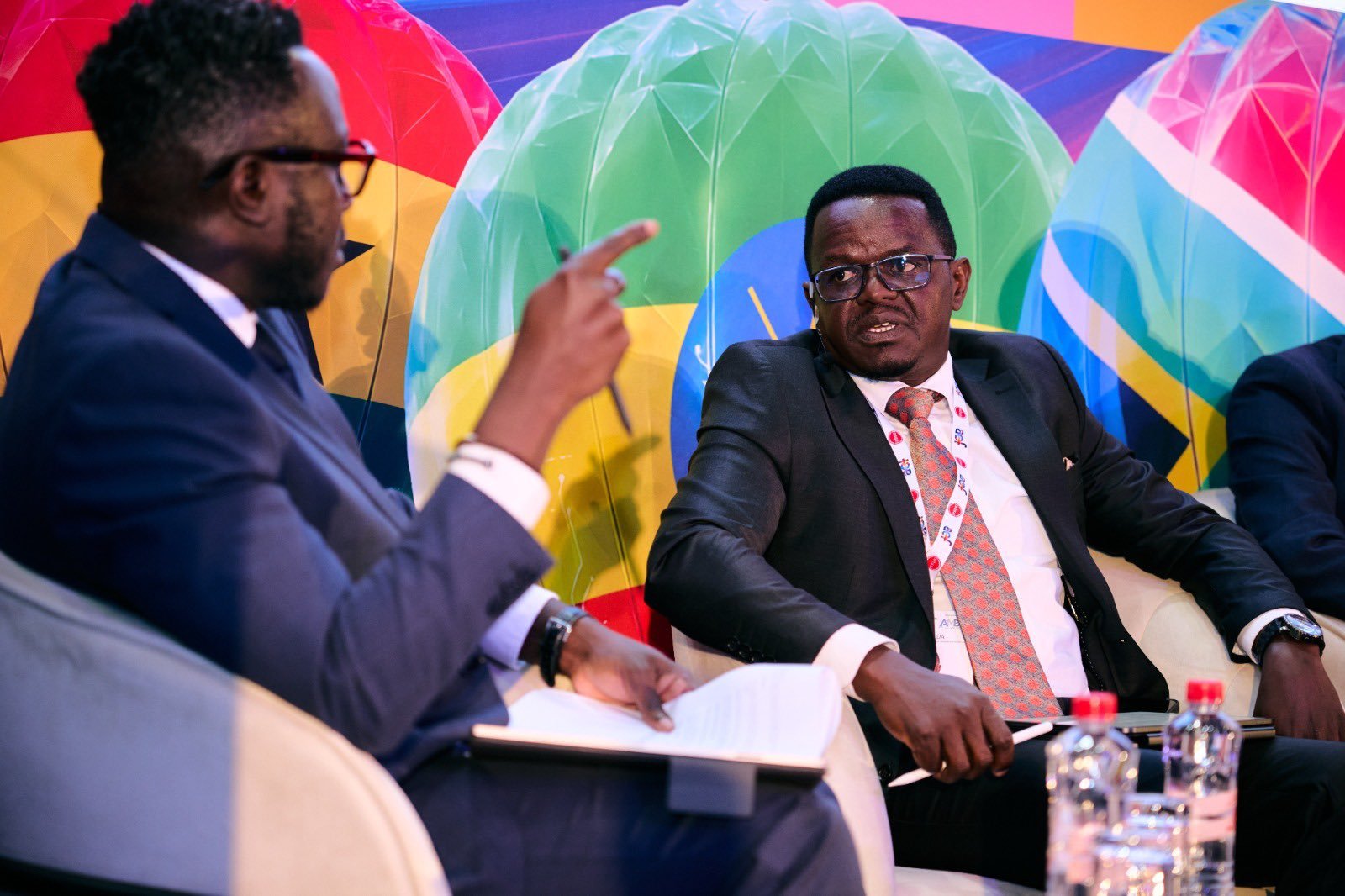
Eng. Seda joined fellow panelists during a discussion on unlocking grid investment opportunities across the continent. The panel specifically examined the role of Independent Power Transmission (IPT) models in accelerating investment into critical transmission infrastructure.
 The discussion drew heavily from Kenya's recent experience in developing continental infrastructure. The country is pioneering Africa's first greenfield Independent Power Transmission Project, which serves as a practical model for other nations.
The project utilizes a Public Private Partnerships (PPPs) framework to mobilize long-term private capital for strategic national assets. This approach addresses the severe financing constraints currently facing many African governments.
Eng. Seda shared insights on the growing demand for transmission infrastructure. He emphasized that well-structured transmission partnerships can expand financing options, while successfully preserving public control of critical assets.
The model is designed to strengthen grid reliability, and it supports renewable energy integration. It creates clear pathways for sustainable private sector participation in large-scale infrastructure development.
The specific project in Kenya involves a partnership with the Kenya Electricity Transmission Company Limited (KETRACO). It includes the design, construction, and financing of high-voltage transmission lines.
A consortium comprising Africa50 and Power Grid Corporation of India Limited is delivering the infrastructure. The private partner fully finances the development, which protects public resources.
The scope includes the 180-kilometer Lessos to Loosuk double-circuit transmission line. This line provides an alternative route for evacuating up to 300 megawatts of wind power from the Lake Turkana Wind Power Plant.
It also enables efficient power evacuation for proposed geothermal power from the North Rift region. Expanded transmission capacity remains vital for unlocking the full potential of geothermal, wind, and solar resources.
Another component is the 72-kilometer Kibos to Kakamega to Musaga transmission line. This development extends the high-voltage grid into Western Kenya, which reduces voltage instability and technical power losses.
By enabling efficient power evacuation from generation sites to demand centers, the infrastructure contributes to a cleaner energy mix. It reduces dependence on costly thermal generation, which supports long-term affordability.
The system delivers reliable electricity to households, businesses, and industries. The arrangement operates under a 30-year concession, after which all transmission assets revert entirely to KETRACO.
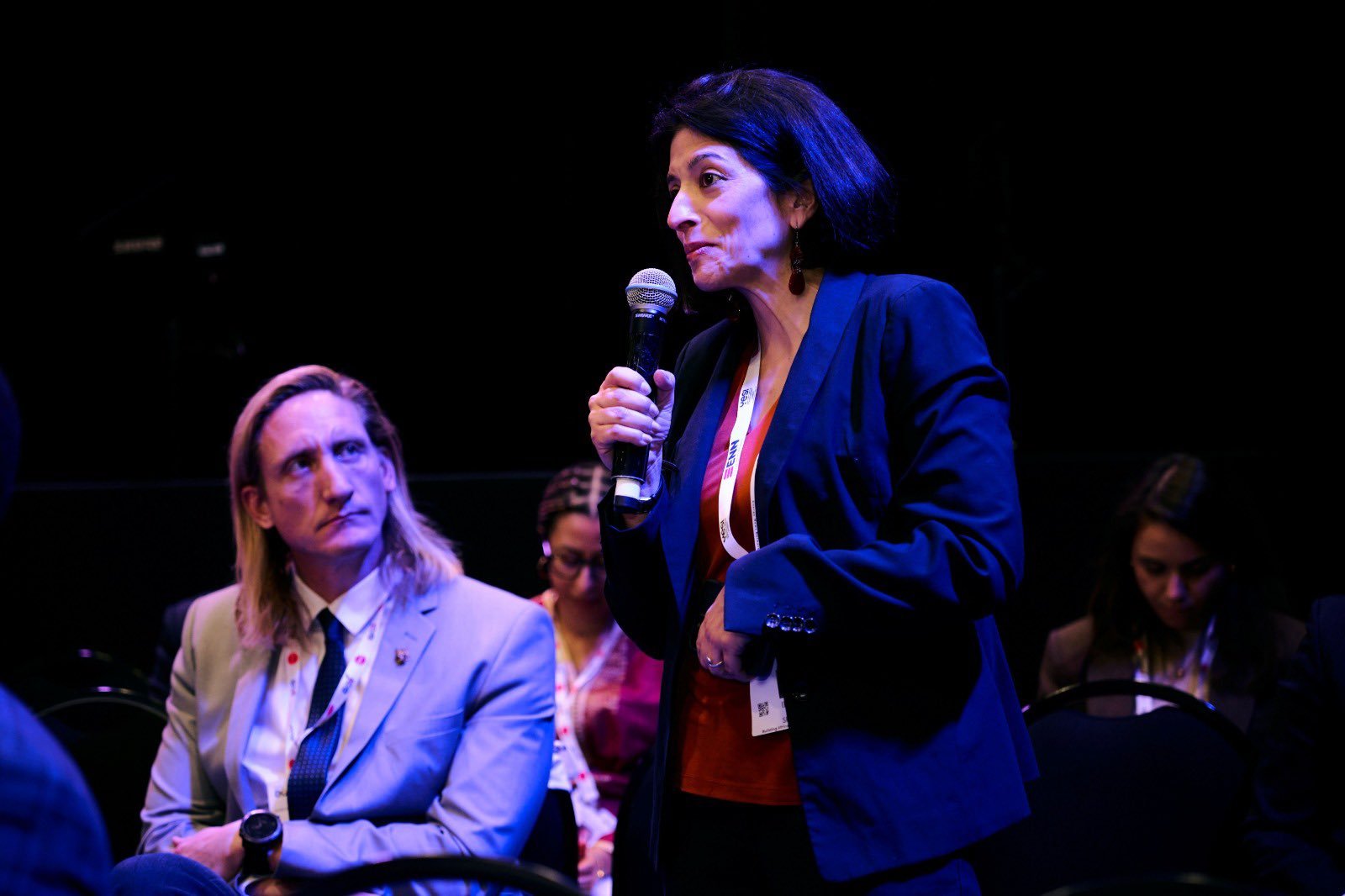
During the forum, panelists explored safeguards that ensure continuous public oversight. They analyzed the core elements of project bankability, affordability considerations, stakeholder coordination, and necessary institutional frameworks.
The conversation reinforced the importance of building a credible pipeline of investable projects. These projects must be supported by strong project preparation and transparent procurement frameworks.
Effective risk allocation mechanisms are also required to attract institutional investors. Sustained collaboration remains necessary among governments, development finance institutions, investors, utilities, and technical partners.
These considerations will continue to shape the next phase of transmission investment across Africa, as countries pursue more resilient and interconnected power systems to drive industrialization.
The framework aligns with the broader infrastructure goals supported by President Ruto, who has consistently advocated for private sector capital mobilization to ease fiscal pressure on the national treasury.
By shifting the financial burden to private consortia, Kenya avoids accumulating state-guaranteed debt for grid expansion. The model delivers a sustainable template for power sector modernization across sub-Saharan Africa.
Comments (0)
Leave a Comment
No comments yet. Be the first to share your thoughts!