
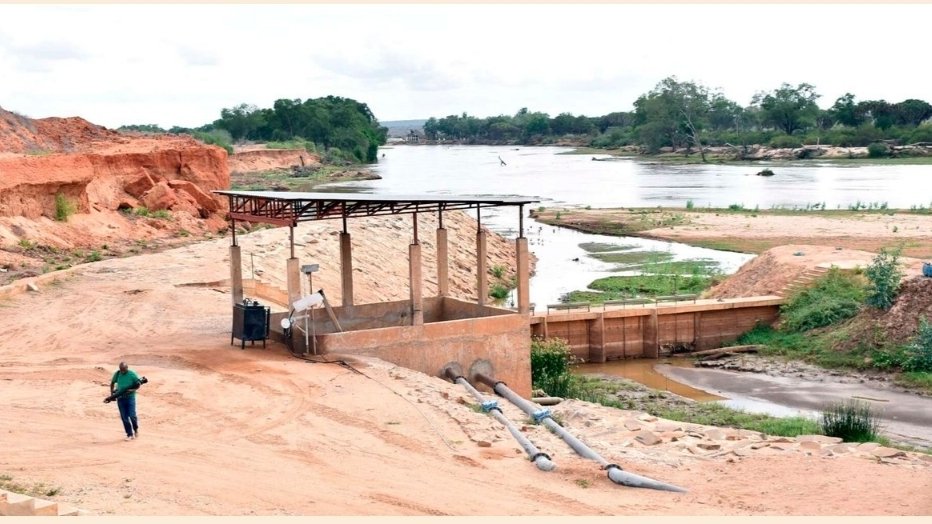

The Kenyan government has removed the Sh38.85 billion Galana Dam project from the Public-Private Partnership programme. The decision followed concerns that the water tariffs demanded by the contractor would be unaffordable.
The National Irrigation Authority received instructions to restructure the initiative. It will now proceed under a deferred-payment arrangement where the authority sells water and uses the revenue to repay the contractor.
Charles Muasya, the NIA chief executive, explained the shift. He noted that the original PPP bid revealed a substantial financing gap.
“The second attempt was to do the Galana dam. But when the proponents submitted, we found a financing gap,” Muasya said.
Revenue projections from water sales could only cover about Sh23.3 billion. That left a gap of roughly Sh15.5 billion, making the full project unviable under the initial model.
The proposed dam forms part of broader efforts to expand irrigation in the Galana River basin. Planners see it as key to supporting large-scale farming and advancing national food security goals.
The Galana-Kulalu area already hosts the Nafaka Food Security Project. That separate PPP venture sits on the border of Kilifi and Tana River counties and aims to reduce reliance on rain-fed agriculture.
Under the revised structure for the dam, officials adopted an engineering, procurement, construction and financing approach, sometimes called a hybrid PPP. The government will guarantee the loan while NIA handles water sales and repayments.
This differs from standard PPP setups where private partners recover costs directly through user fees. Here, the state will sell water to producers and channel proceeds to the contractor.
Kenya’s irrigation coverage has remained low for years. A World Bank report indicates irrigated land accounts for just 1.6 percent of total cropland, largely because of high upfront capital needs.
Limited fiscal space has pushed the administration to rely more on private partnerships. Yet high proposed charges have led to several project adjustments or cancellations.
The government recently abandoned plans for a Nairobi-Mombasa Expressway PPP over similar cost and toll concerns.
The Galana-Kulalu irrigation scheme itself has reached financial close. Investor Selu Limited is already cultivating maize on 10,000 acres under that concession.
Plans for the wider project target 20,000 acres under production. Over 30 years it could yield an estimated 720,000 bags of maize and 160,000 bags of soybeans annually.
The infrastructure deficit across Kenya stands at about Sh647 billion per year according to Treasury estimates. Officials continue exploring ways to bridge such gaps without overburdening public finances or end users.
Details on the new timeline and exact contracting arrangements for the dam have not been released. The restructuring aims to keep the project moving while addressing the pricing issues that stalled the PPP route.
Comments (0)
Leave a Comment
No comments yet. Be the first to share your thoughts!