
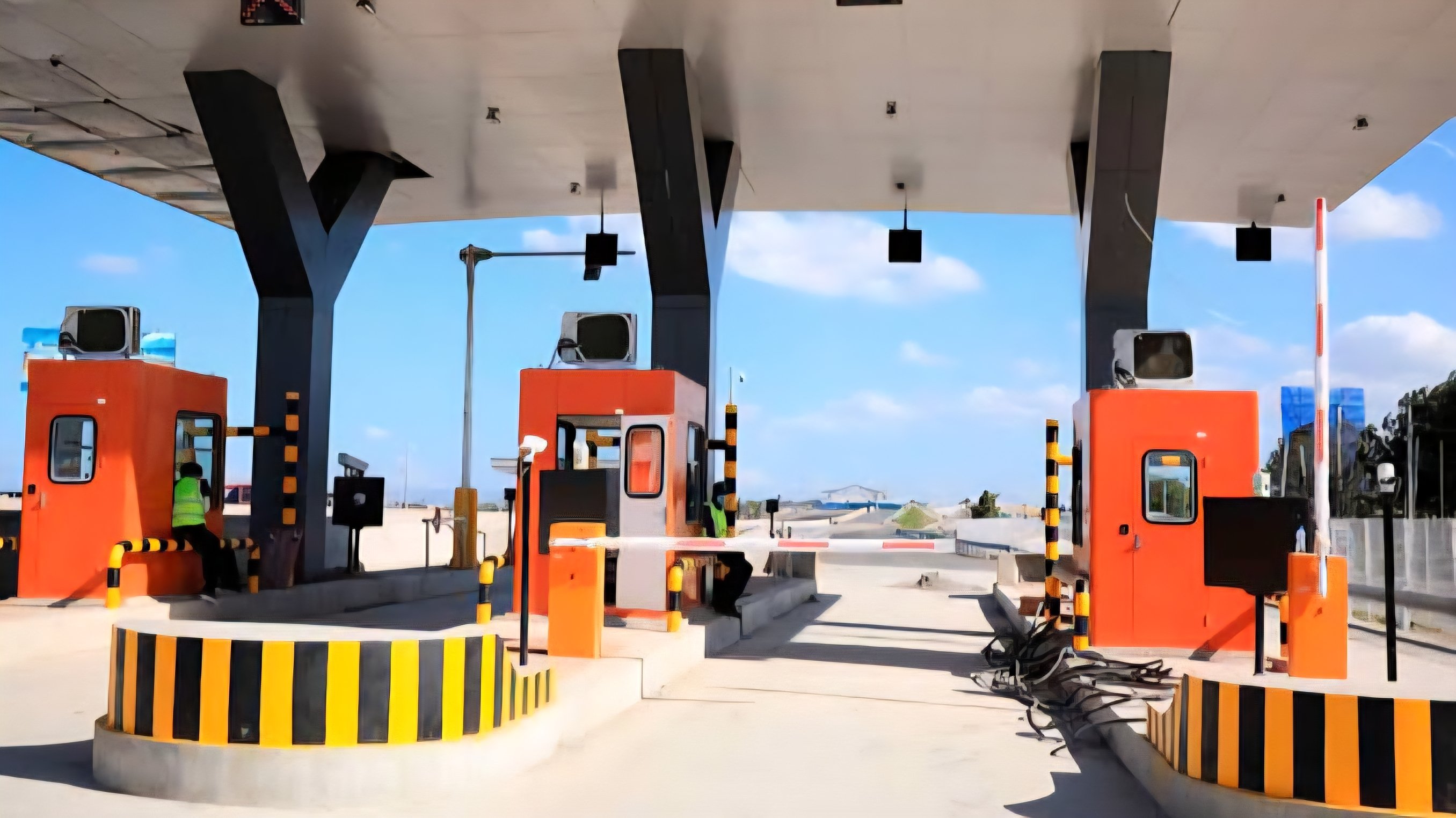

The National Treasury has raised a red flag over the increasing financial exposure the government faces through the rapid expansion of privately funded toll highways. In the latest Budget Policy Statement (BPS) submitted to the National Assembly, the Treasury warned that the state could be forced to use public funds to compensate private investors if these projects fail to meet their revenue targets.
Government officials identified several primary fiscal risks inherent in the current Public-Private Partnership (PPP) framework, including traffic demand uncertainty, revenue shortfalls, and the potential for costly contract renegotiations. These risks are particularly acute for upcoming projects such as the 175-kilometre Rironi-Mau Summit highway and the proposed tolling of the Thika Superhighway.
Under many of these agreements, the private concessionaire assumes the responsibility of financing, building, and maintaining the infrastructure. In return, the government often provides guarantees that protect the investor’s return on investment. If the number of motorists paying to use the road is significantly lower than the forecasts used during the bidding process, the Treasury may be legally obligated to cover the deficit.
This disclosure comes at a time when the government is aggressively pushing the “user-pays” model to bridge a massive funding gap in the transport sector. Estimates from the National Treasury suggest the country requires trillions of shillings for road development and maintenance over the next decade, a sum that the exchequer cannot provide through traditional tax revenue or further sovereign borrowing.
Public debt remains a significant constraint, with the country’s debt-to-GDP ratio recently exceeding the 67 percent threshold. Treasury Cabinet Secretary John Mbadi has maintained that tolling existing and new highways is a necessary step to attract private capital and reduce the reliance on the national budget. However, the transition to tolling has met with resistance from motorists who argue that the Road Maintenance Levy already included in fuel prices should cover these costs.
The legal and financial complexities of these contracts were recently highlighted by the disclosure of contingent liabilities linked to the Nairobi Expressway. Such clauses ensure that if a contract is terminated prematurely or if specific economic triggers are met, the state must pay out substantial sums to the private operator.
To mitigate these risks, the National Treasury is moving toward a more structured oversight framework. The proposed National Infrastructure Fund Bill 2026 seeks to centralize the management of these large-scale projects and provide clearer guidelines for government support measures, such as letters of support and partial risk guarantees.
The Treasury noted that the accuracy of traffic projections is the most critical factor in ensuring the long-term viability of toll roads. Past global failures in toll road projects have often been traced back to aggressive or overly optimistic traffic numbers. As Kenya prepares to launch construction on more segments of the Northern Corridor, including the split deal between Chinese firms for the Mau Summit stretch, the reliability of these forecasts will determine whether these roads become self-sustaining assets or a long-term burden on the Kenyan taxpayer. To
Comments (0)
Leave a Comment
No comments yet. Be the first to share your thoughts!