

The National Treasury has officially authorized several high-priority energy projects to advance to the feasibility study stage under the Public-Private Partnership (PPP) model. These projects represent a fundamental shift in how the state intends to expand the national power grid using private capital.
Among the most ambitious approvals is a 2,000MW nuclear power plant. This project is expected to involve the construction of two units, each generating 1,000MW. The state views nuclear energy as a way to provide reliable, low-carbon baseload electricity to enhance national energy security.
According to documents released by the PPP Directorate, the nuclear plant is intended to offer a proven, mature technology capable of delivering high-quality electricity with very high capacity factors. This move signals a long-term commitment to diversifying the energy mix beyond renewables.
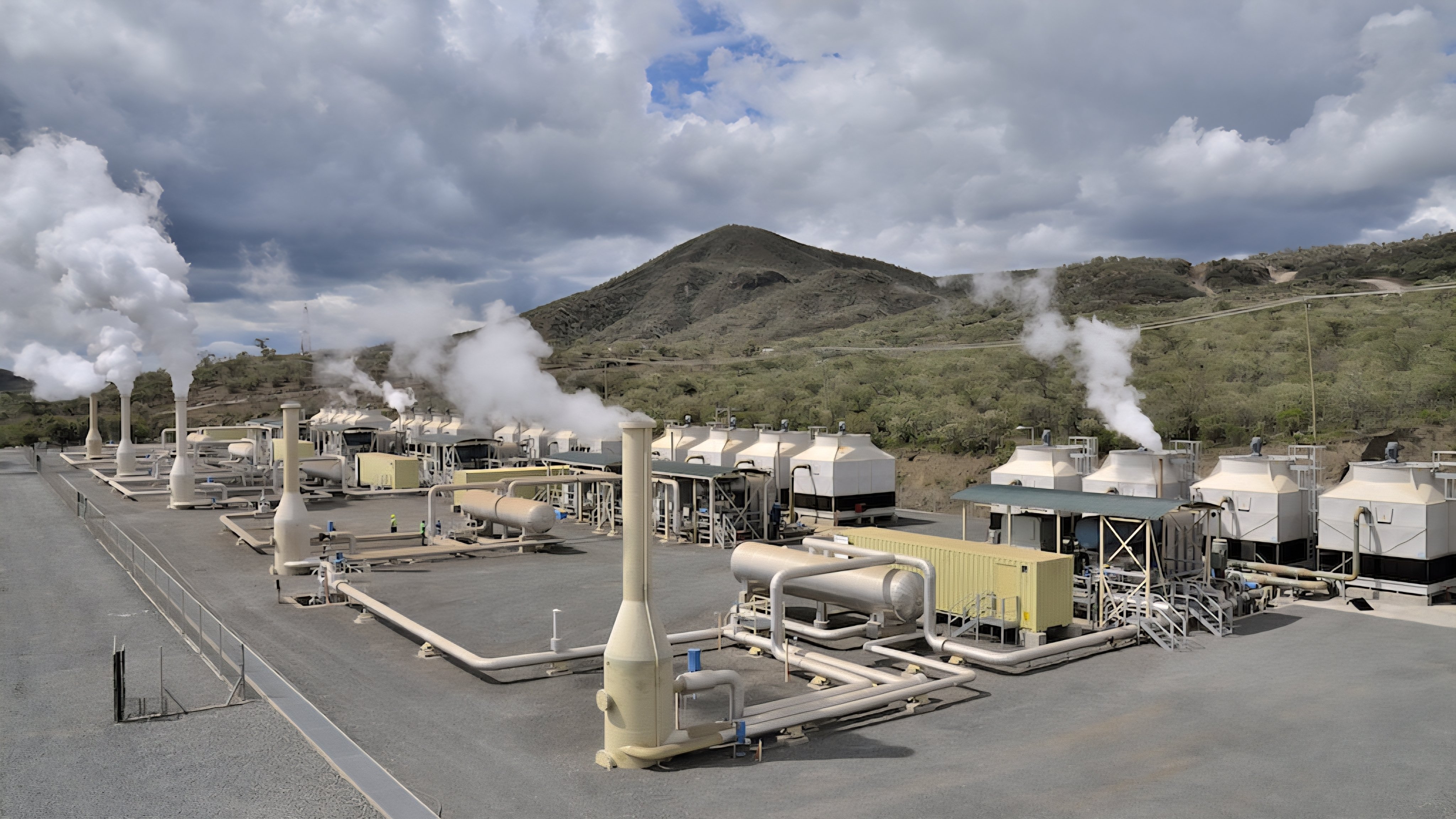
The 300MW Suswa Geothermal Project has also received the green light to proceed. The development is planned in phases, beginning with an initial capacity of 50MW to 100MW. This site will require extensive infrastructure, including access roads, well pads, and steam gathering systems.
The scope of work at Suswa includes the drilling of approximately 34 geothermal wells, including re-injection wells. The private partner will be responsible for the installation, commissioning, and maintenance of the power plants over a projected 25-year period.
In Mombasa, an LNG-fired power plant at Dongo Kundu is now under consideration. This facility is designed to provide flexible power that can be quickly dispatched during peak demand or when renewable generation from other sources is low.
The Treasury has also included the Karura 90MW Hydro Power Dam in this latest list of approvals. This project aims to harness water resources to further stabilize the grid, providing a renewable source of energy that complements existing hydroelectric assets.
To manage the variability of these different energy sources, a Battery Energy Storage System (BESS) project has been approved. The BESS is designed to capture excess electricity produced during periods of high renewable generation for strategic dispatch later.
The BESS project serves as a critical solution to enhance energy security. It will facilitate the seamless integration of intermittent renewable energy, such as wind and solar, into the existing national network.
These approvals come at a time when President Ruto has emphasized the need for private sector participation in infrastructure. By using the PPP model, the government aims to reduce the direct fiscal burden on the exchequer for these massive capital investments.
The feasibility studies will determine the commercial viability and technical requirements for each site. Only after these studies are completed will the procurement process for private partners begin in earnest.
A version of this article appeared on Pesa Wall.
Comments (0)
Leave a Comment
No comments yet. Be the first to share your thoughts!