
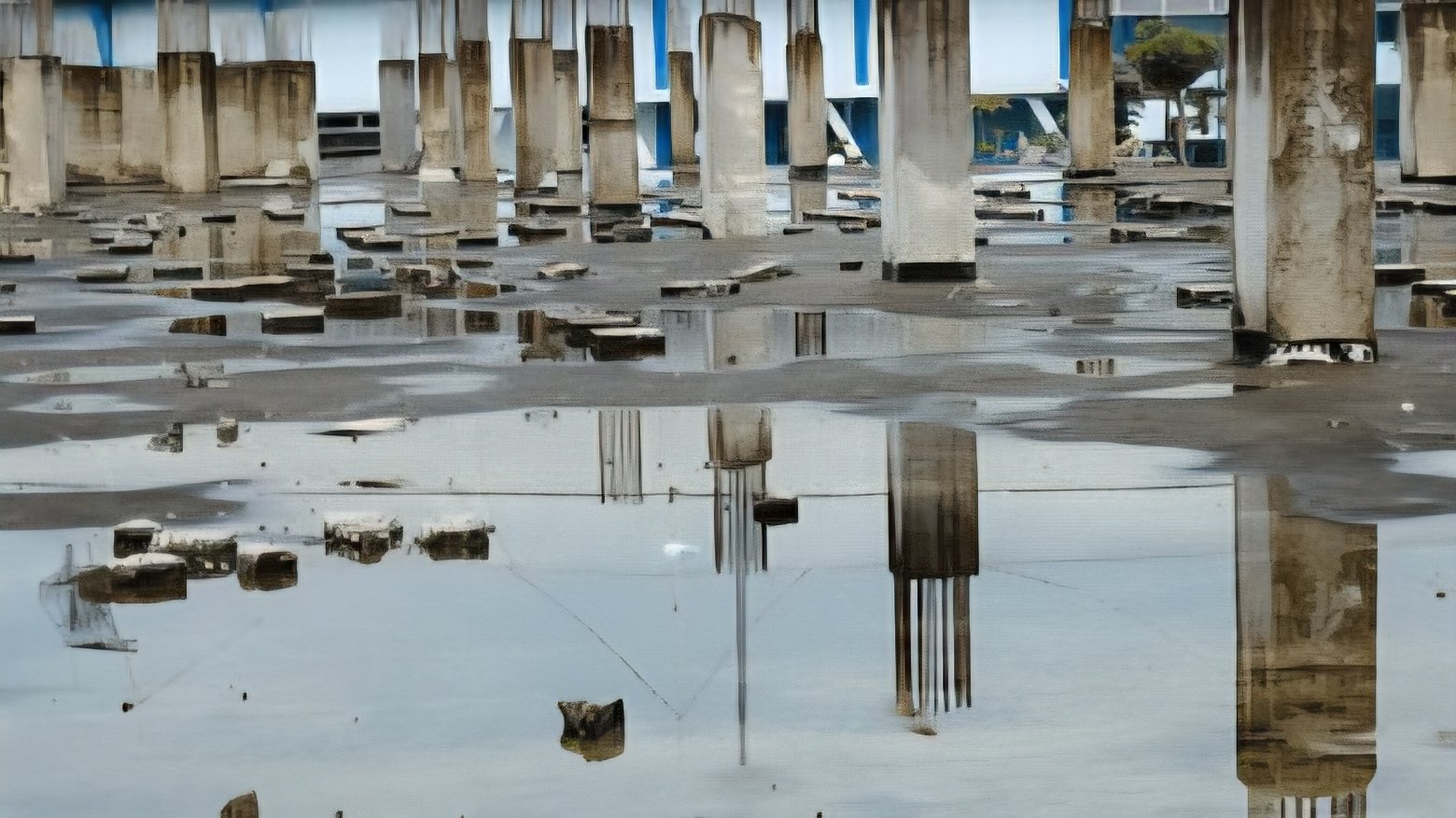

The onset of the rainy season in Kenya has introduced a fresh set of logistical and safety hurdles for the construction sector, with sites across the country grappling with stagnant water and unstable ground conditions. Images from active developments, including those highlighted by industry professionals like Edward Ndegwa, show foundation excavations transformed into muddy pools, a scenario that demands immediate intervention to prevent long-term structural issues.
Standing water in foundation pits poses a direct threat to the integrity of steel reinforcement and the stability of the soil. When water saturates an excavation, it can lead to bank collapses or weaken the bearing capacity of the ground. Site managers are now prioritizing the use of dewatering pumps to clear pits before any concrete can be poured, as excess moisture in the soil can contaminate the mix and lead to honeycombing or reduced compressive strength.
Safety remains the primary concern for safety officers and project managers. Muddy terrain increases the risk of slips and falls, particularly around open trenches and on scaffolding. Contractors are being urged to install non-slip surfaces, provide appropriate personal protective equipment like gumboots with deep treads, and ensure that all electrical installations are raised and properly insulated to prevent electrocution in wet conditions.
The rain also complicates the scheduling of concrete works. Pouring concrete during a downpour is generally avoided, as rainwater can alter the water-to-cement ratio, leading to a finished product that lacks the required durability. Experts recommend that if rain begins during a pour, the surface should be covered immediately with waterproof tarpaulins to protect the curing process.
Beyond the immediate physical challenges, the weather is contributing to significant project delays and cost overruns. Machinery like excavators and cranes often become bogged down in soft earth, requiring specialized recovery or the installation of temporary hardcore access roads. These adjustments, while necessary, add to the financial burden of projects already operating on tight margins.
Effective project management during this period involves close monitoring of weather forecasts and the implementation of robust drainage plans. By creating temporary channels and silt traps, contractors can direct runoff away from critical work zones. As the season continues, the ability of Kenyan firms to adapt to these environmental pressures will be a true test of their operational resilience and commitment to engineering excellence.
Comments (0)
Leave a Comment
No comments yet. Be the first to share your thoughts!