

A version of this article appeared on LinkedIn/Michael K.
A visit to a newly completed 20-floor apartment complex in Nairobi has raised fresh questions about how residential design is evolving in the city, particularly for family-oriented developments.
The project features large-format units, including five-bedroom apartments measuring about 380 square metres. These units are priced from Sh40 million, with expected monthly rents of about Sh280,000, placing them in the upper end of the market.
Despite the scale of the units, the development sits on roughly 0.75 acres and accommodates more than 150 apartments. At that density, the building functions closer to a compact estate than a conventional apartment block, with shared infrastructure under pressure.
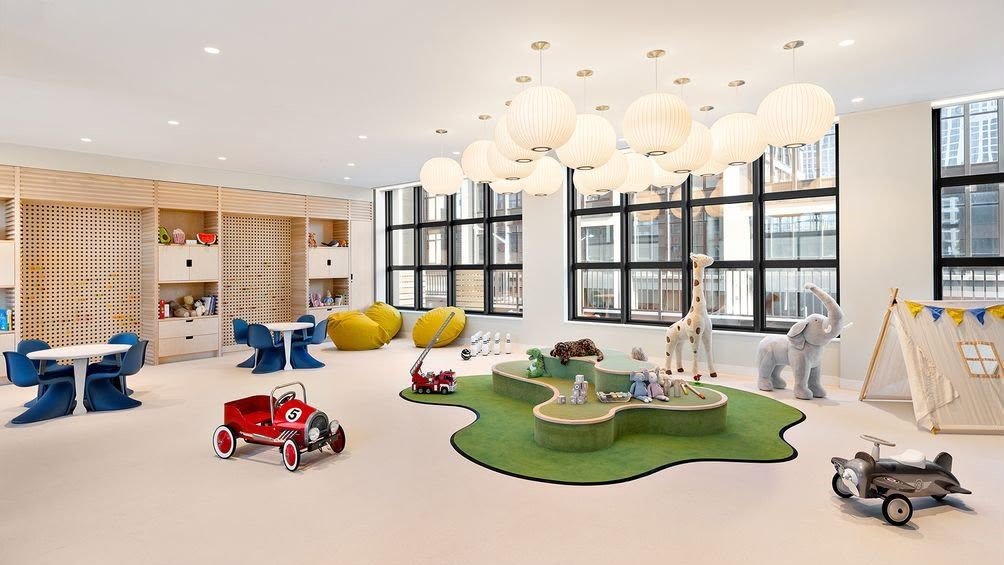
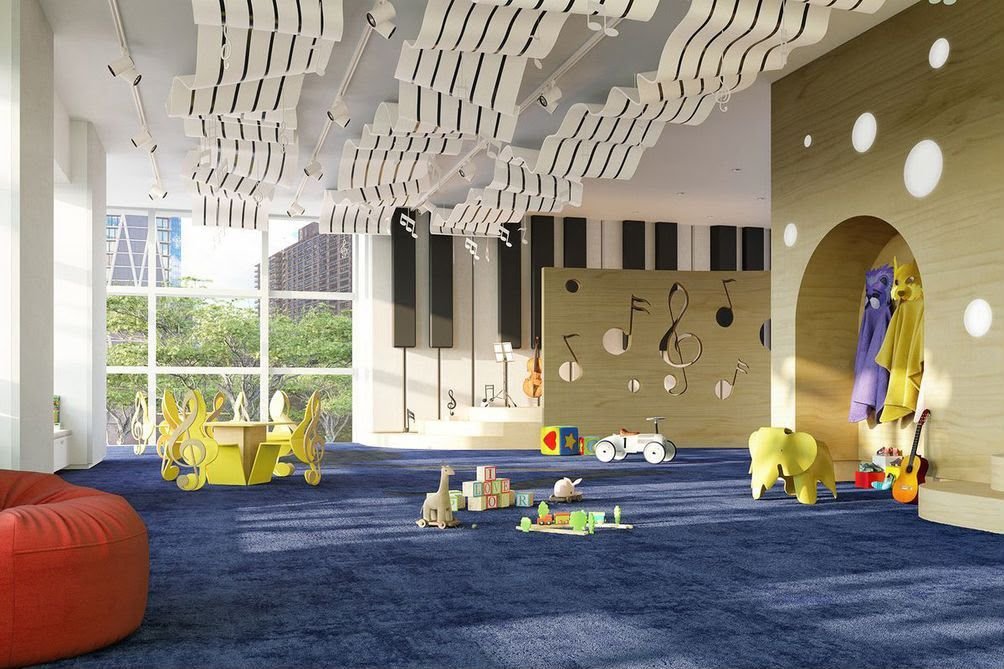
One of the more unusual design decisions is the allocation of an entire floor, roughly 1,000 square metres, to an indoor children’s play area. The space includes playpens, games tables and other recreational features, all housed within enclosed, artificially lit rooms.
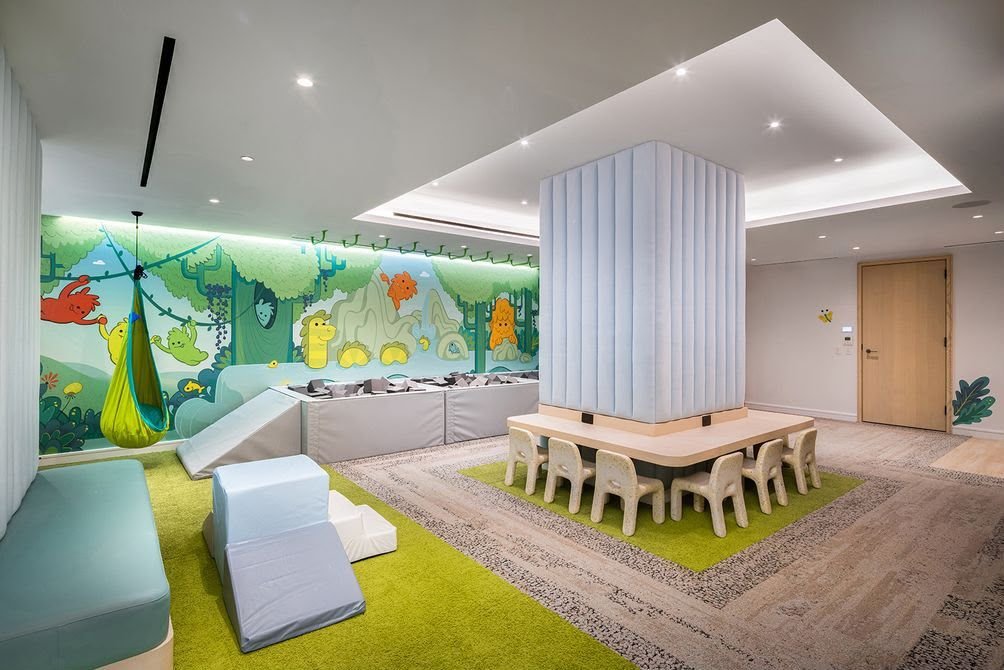
The developer’s approach reflects constraints increasingly seen in Nairobi’s high-density zones, where limited land availability and rising land values reduce space for traditional outdoor amenities such as gardens and open playgrounds.
The shift raises broader design questions around ventilation, natural lighting and access to green space, especially in developments marketed to families. It also points to a gradual move toward vertical living models where lifestyle amenities are internalized rather than integrated into open environments.
Comments (0)
Leave a Comment
No comments yet. Be the first to share your thoughts!