
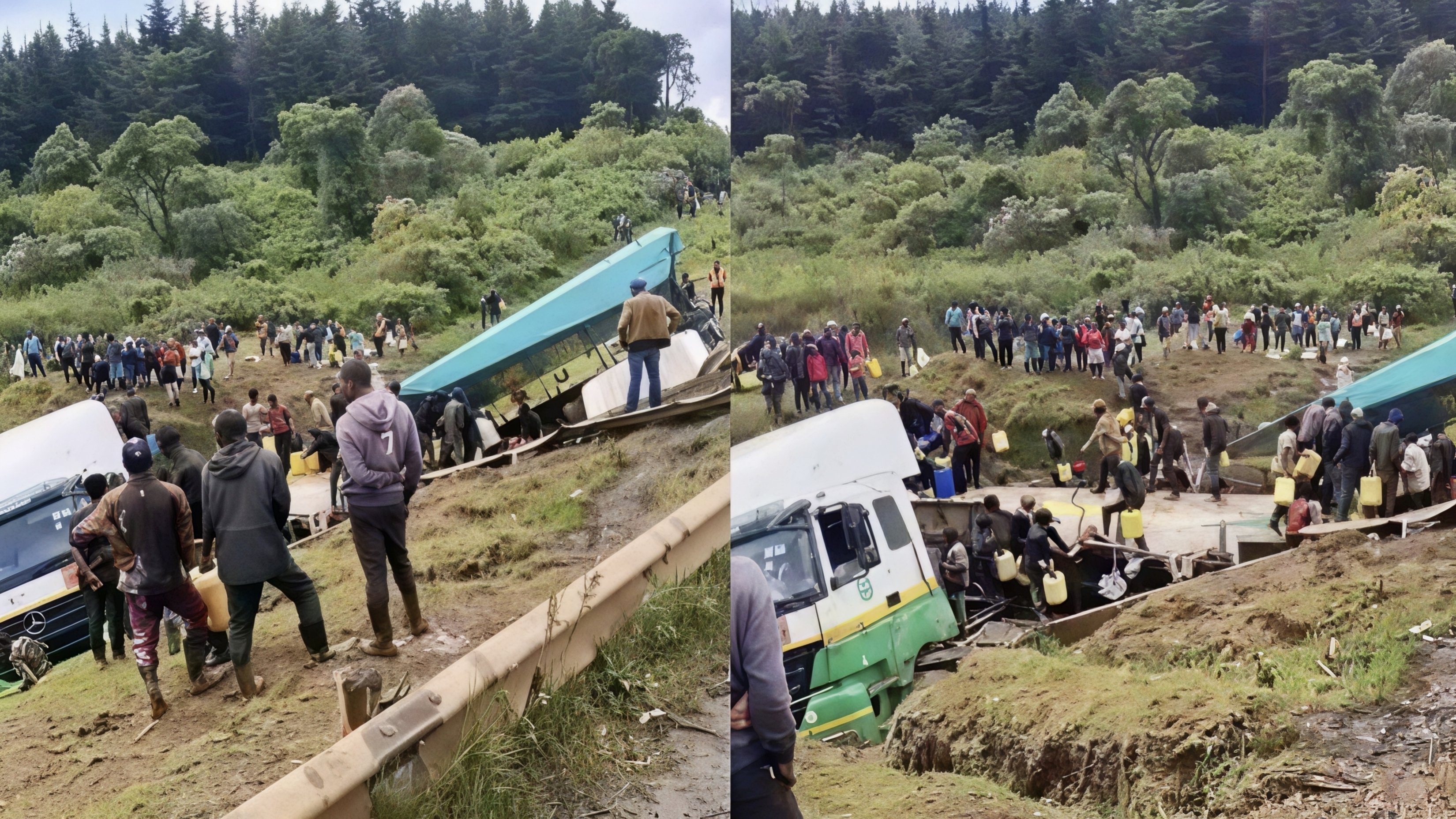

Kenya's National Road Safety Action Plan (NRSAP) 2024 to 2028, launched by President William Ruto, is moving from policy into physical infrastructure, with blackspot treatment works, safety audits, and new pedestrian facilities already under way across the country.
The plan targets the global goal of halving road traffic deaths and serious injuries by 2030, responding to a persistent rise in accidents that claim thousands of lives annually.
Roads Cabinet Secretary Davis Chirchir has been blunt about the challenge. "We must interrogate what it is we have to do better to reduce road carnage," he said. "We must ask ourselves tough questions on why we haven't reduced road accident deaths to avert an impact on our economy on account of losing people."
Completed infrastructure works include the redesign of the Kibarani and Makupa causeway in Mombasa, traffic separation along the notorious Salgaa-Sachangwan stretch in Nakuru, and new pedestrian bridges along the Northern Corridor. The dualling of Ngata Bridge is nearly finished, while upgrades are continuing at Bonje, Gitaru-Rungiri, and the Coptic roundabout.
Over 1,200 kilometres of Kenya's road network have been evaluated using Star Ratings, an internationally recognised road safety scoring system. KeNHA is developing blackspot management guidelines based on those assessments, with upcoming projects including the Rironi-Nakuru-Mau Summit highway and the Nyali-Mtwapa-Kilifi corridor now being evaluated for safety compliance from the design stage.
KURA has separately constructed 87 kilometres of pedestrian walkways, designed 277 kilometres of urban roads, and built 17 bridges across the country's urban network.
County Transport and Safety Committees are being established in all 47 counties, with 81% already trained. The National Transport and Safety Authority (NTSA) has mapped high-risk areas and vulnerable road users, while KeRRA has analysed 32 priority roads for targeted safety interventions.
Vehicle safety is being tightened through stricter Pre-Export Verification of Conformity checks on imported used cars, covering 35 standards including speed limiters. Automated traffic fine systems are also under consideration to improve enforcement consistency.
Comments (0)
Leave a Comment
No comments yet. Be the first to share your thoughts!